
Last updated November 25, 2026
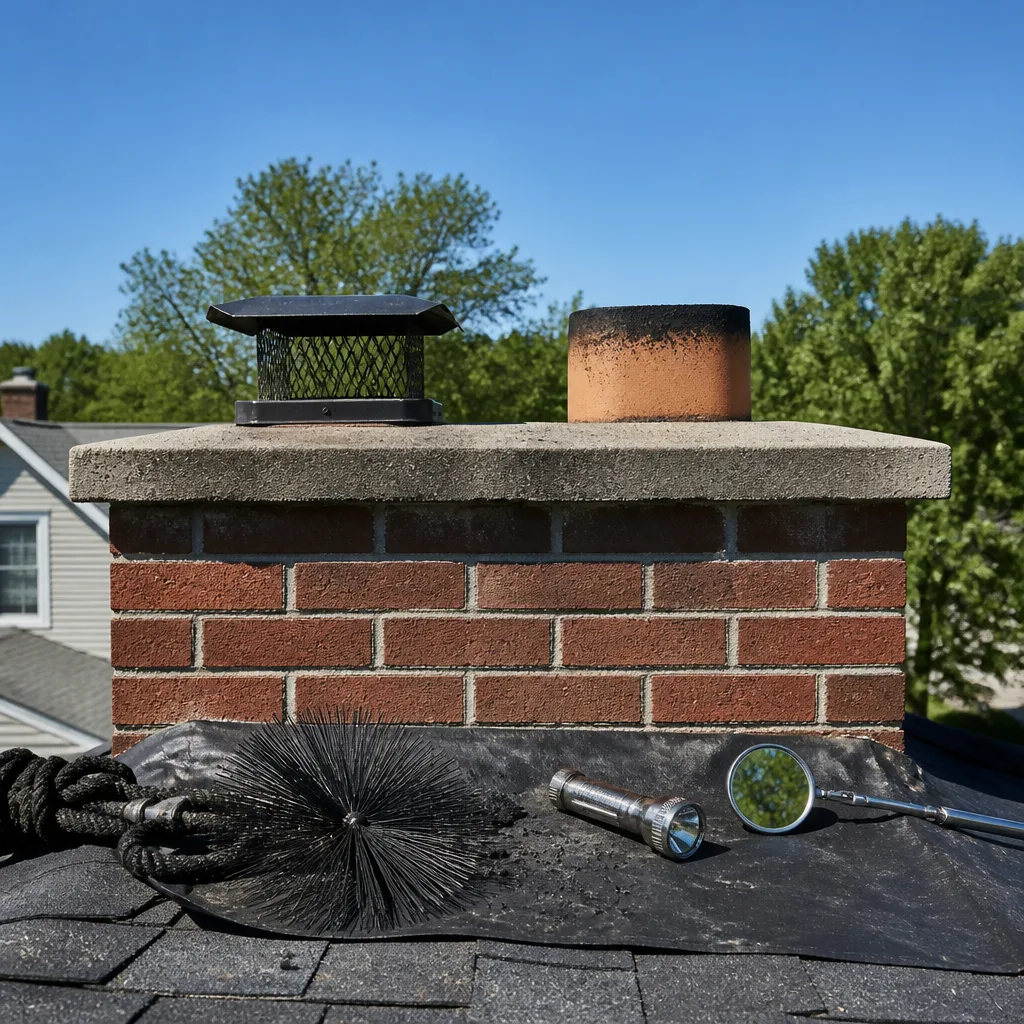 Sweep & inspection
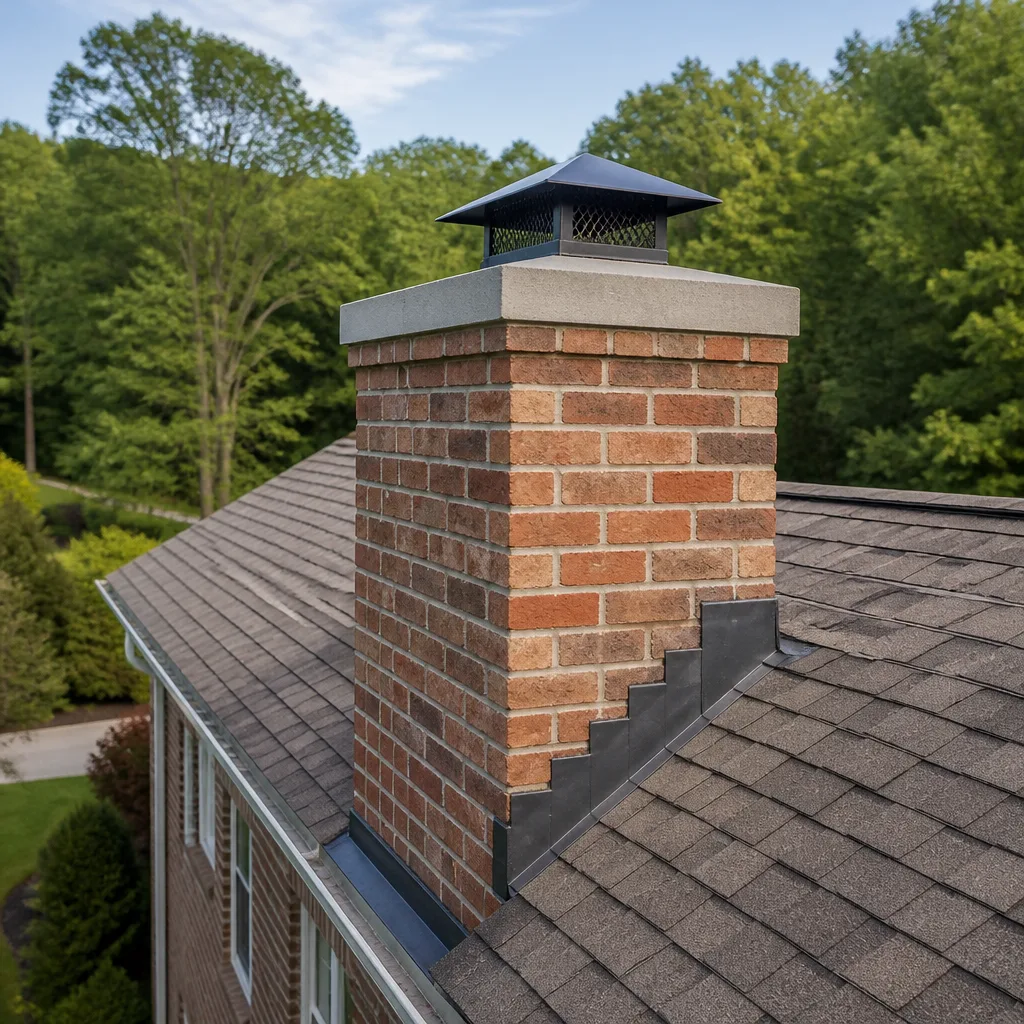 Caps & crowns
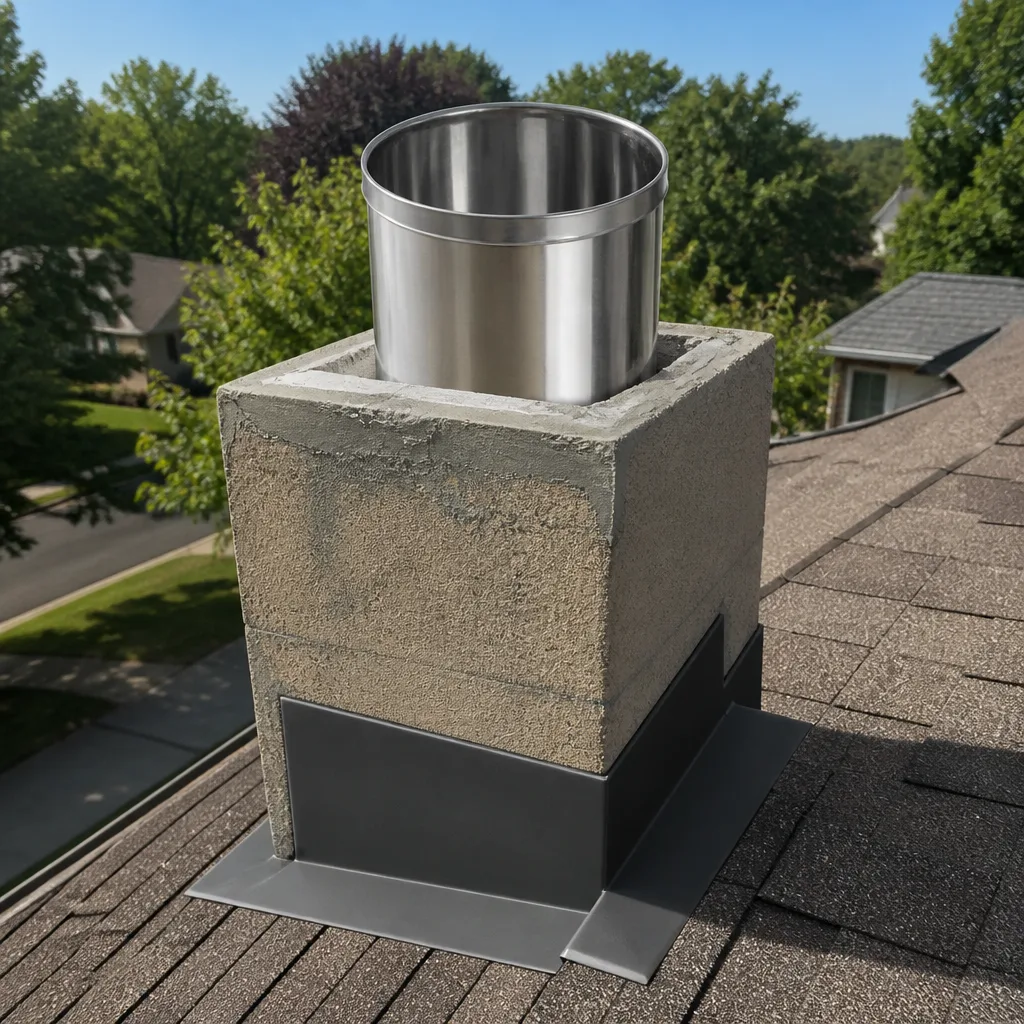 Flue relining
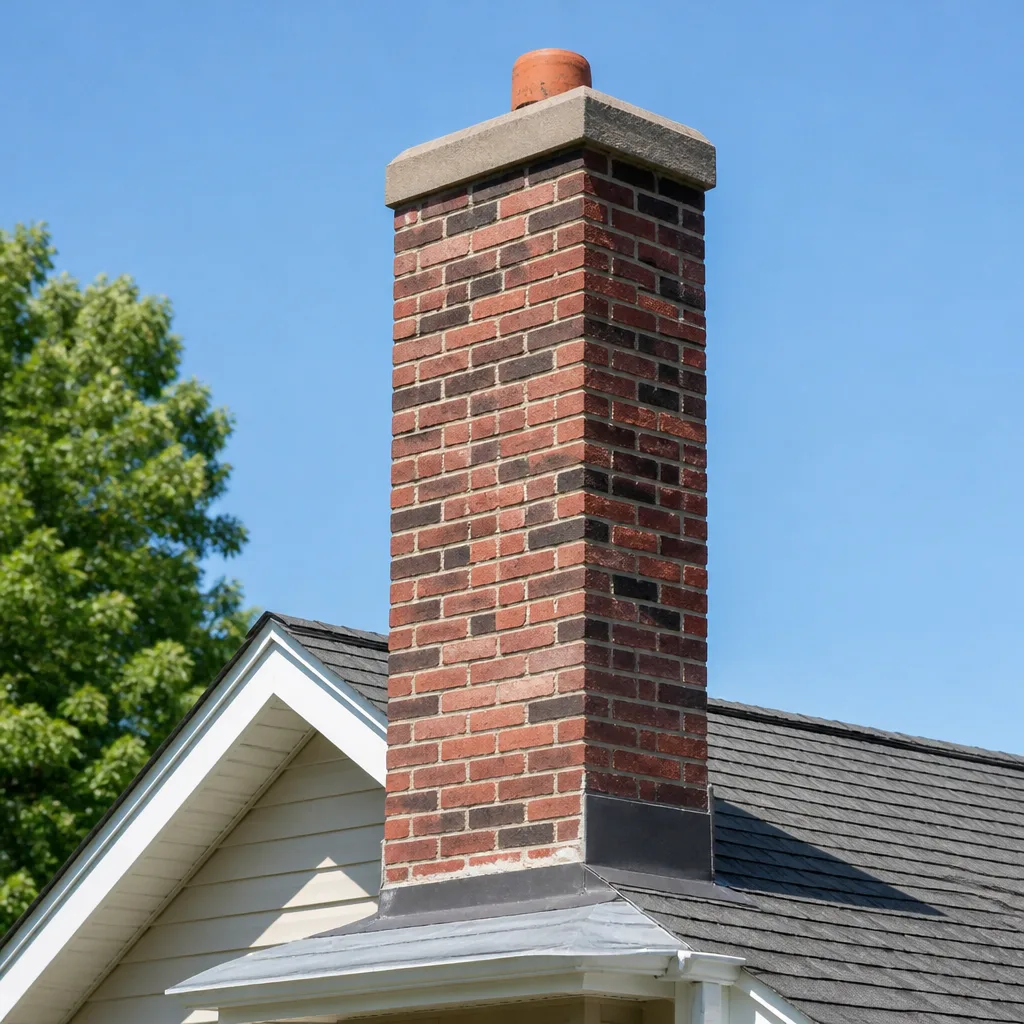 Masonry repair
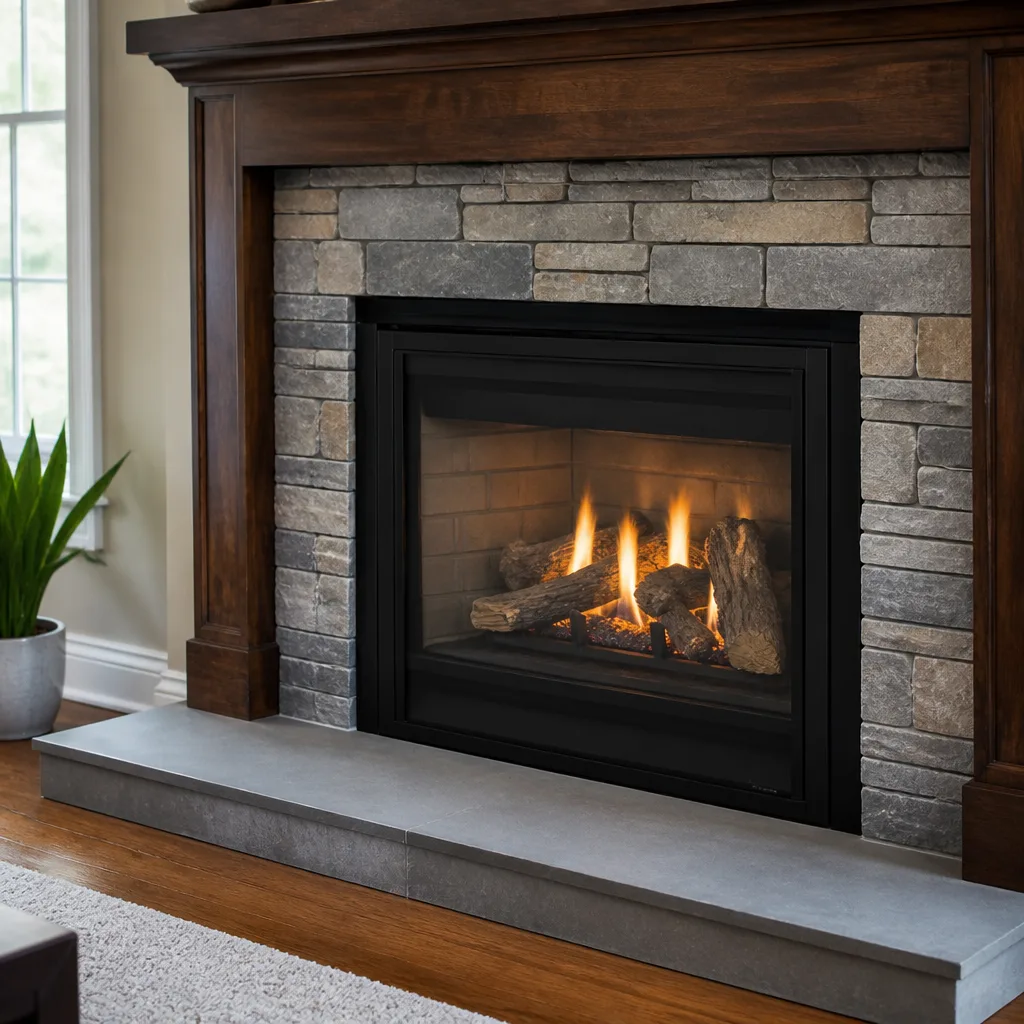 Gas fireplace service
Level 1 sweep and inspection to the NFPA 211 annual standard - flue, crown, cap, and flashing checked and photographed
Chimney sweep logs do not sweep chimneys. They loosen some creosote - which then falls where a brush and vacuum still have to collect it.
Chimney Sweep Maintenance Checklist for Sunnyside Homeowners
The chimney failures that lead to house fires rarely announce themselves. They build slowly, over months, in places homeowners walk past every day: a hairline crack in the firebox brick, a crown that’s started to pull away from the flue, a faint dark streak above the damper that wasn’t there last season. None of these look urgent. All of them are easier and cheaper to fix now than after a chimney fire or a water-damaged flue. This guide gives Sunnyside homeowners a between-service routine: what to check monthly from inside the house, what to inspect seasonally from the ground, how to read the warning signs, and how to log what you find so your next sweep can compare notes.
Quick Answer
A practical chimney maintenance checklist has three layers: a monthly no-tools visual check of the firebox, damper, and smoke shelf from inside the house; a seasonal exterior inspection of the cap, crown, and masonry from ground level; and a written log of what you see so patterns show up over time. The checklist doesn’t replace a professional sweep. It catches the specific problems that develop between visits, while they’re still cheap to fix.
Styles & brands we work with
- Sweep & inspection
- Caps & crowns
- Flue relining
- Masonry repair
- Gas fireplace service
Table of Contents
- The Monthly Indoor Checklist: Firebox, Damper, and Smoke Shelf
- Seasonal Exterior Checks for Sunnyside’s Freeze-Thaw Cycle
- Reading Liner Deterioration From the Firebox Opening
- Cap and Crown Conditions to Look For From Ground Level
- How to Keep a Chimney Log That’s Actually Useful
- What a Professional Visit Covers That Your Checklist Can’t
- Timing the Checklist Around Sunnyside’s Burning Season
- Common Mistakes to Avoid
- When to Call a Professional
- Frequently Asked Questions
The Monthly Indoor Checklist: Firebox, Damper, and Smoke Shelf
This is the part of chimney care most homeowners never do, and it takes about five minutes with no tools. Do it when the firebox is cold and clean of ash, ideally in daylight with a flashlight. You’re not cleaning anything. You’re comparing what you see this month to what you saw last month.
Work through these checks in order:
- Firebox walls. Look at the brick and mortar joints on the back and side walls. Hairline cracks in the firebrick are common and often harmless; cracks wider than a coin edge, crumbled mortar, or brick faces that have flaked off are not. Note the size and position of anything you find.
- Damper. Open and close it fully. It should move without grinding, and it should seal when closed. A damper that sticks open wastes heat up the flue; one that won’t open fully can push smoke into the room.
- Smoke shelf and smoke chamber. Shine the light up and back. The smoke shelf is the flat ledge just behind the damper. It collects soot and debris, and it’s where you’ll first see heavy black glaze or shiny creosote building up.
- Firebox floor. Check for ash buildup beyond what you’d normally clean out, and for any cracked or loose hearth brick.
- Odor and draft. Light a small piece of paper near the open damper and watch the smoke. It should draw up and out cleanly. Smoke that lingers or rolls back into the room means the draft is compromised.
In Sunnyside, where the housing stock includes a lot of older masonry fireplaces, that last check matters. A draft that changes between visits, with no other explanation, often points to a partially blocked flue or a cap problem above. Write it down. A pattern your sweep can see in a log is worth more than a one-time memory.
Seasonal Exterior Checks for Sunnyside’s Freeze-Thaw Cycle
Around Sunnyside, the freeze-thaw cycle does more chimney damage than any fire does. Water gets into masonry, freezes overnight, expands, and pushes the material apart. When it thaws, it leaves a slightly wider gap for the next round of water. Do an exterior walk-around in late fall before the first hard freeze and again in early spring, and you’ll catch most of it while it’s still a small repair.
From the ground, look for these specific signals:
- Spalling. Brick faces that have flaked, peeled, or popped off, leaving a rough, crumbly surface underneath. This is what freeze-thaw looks like on masonry. Once a brick face is gone, the softer interior of the brick is exposed and deteriorates faster.
- Efflorescence. A white, powdery stain on the chimney’s exterior. It’s mineral salts pushed to the surface by moisture moving through the masonry. Light, occasional efflorescence is cosmetic; heavy or recurring efflorescence means water is getting in somewhere and finding its way out through the brick.
- Mortar joints. Look for joints that have receded, crumbled, or gone sandy. A joint you can dig into with a fingernail is failing.
- Rust stains. Brown streaks on the masonry below the cap usually mean the cap or its fasteners are rusting and letting water through.
- Tilt or lean. A chimney that’s visibly leaning away from the roofline is a structural concern, not a cosmetic one. Stop using the fireplace and get it looked at.
One note on a check you should not do yourself: inspecting the chimney top, flue, and crown by climbing the roof. That’s steep, often wet, and easy to misjudge. Ground level, ideally with binoculars, gives you enough to know when something’s wrong. The actual inspection belongs to a trained professional with the right footing and the right tools.
Reading Liner Deterioration From the Firebox Opening
You can learn a lot about the flue liner without a camera, just by looking up from the firebox with a strong flashlight. The liner is the barrier between the heat and gases in your flue and the masonry around it. When it deteriorates, the first clues usually show up at the bottom, where you can see them.
Look for these symptoms:
- Flaking or spalling material at the base of the flue. Fragments of clay tile or cement sitting on the smoke shelf are a strong sign the liner above is breaking down.
- Visible cracks or gaps in the first few feet of tile. If the liner is cracked where it meets the firebox, it’s often cracked further up too.
- Discoloration on the smoke chamber walls beyond normal soot: white ghosting, shiny glaze, or rust-colored staining can all point to gas or moisture escaping past a failed liner.
- A draft that’s gotten noticeably weaker with no change to the chimney cap or the firebox.
- Newspaper or debris appearing in the firebox during burning season, which usually points to a broken liner section or a missing cap higher up.
These signs are worth acting on, but they don’t prove the liner is bad. Only a camera inspection can do that, and that’s exactly why we run one. What you find from the firebox opening is grounds for a closer look, not a reason to budget a rebuild. In our experience, plenty of chimneys with visible warning signs turn out to need a targeted repair rather than a full relining job. HeatShield restoration is often the right answer for a liner with a deteriorating interior but sound structure: it resurfaces the flue from the inside rather than replacing it. Ask about it before assuming you need the bigger job. You can learn more about the full scope of chimney repair we handle.
Cap and Crown Conditions to Look For From Ground Level
Stand back from the chimney with binoculars at a distance where you can see the top clearly without craning your neck. The cap and crown are simple components, and their failure modes are visible from the ground once you know what you’re looking at.
Check for these conditions, in this order:
- Is there a cap at all? An open flue with no cap is an open door for rain, birds, and squirrels. It’s one of the most common things we see on older Sunnyside chimneys.
- Is the cap level and intact? A tilted cap, missing mesh on the sides, or a cap that’s visibly rusted through has stopped doing its job.
- Is the crown cracked or separated? The crown is the concrete or masonry slab at the very top of the chimney that sheds water away from the flue. Look for cracks wide enough to see, a crown that’s pulled away from the flue tile, or a crown that’s crumbled at the edges.
- Are there gaps between the flue tile and the crown? Even a hairline gap there lets water run straight down the outside of the flue.
- Is the cap correctly sized and attached? A loose cap or one that sits crooked on the flue is a leak waiting to happen.
When you spot a crown crack, a missing cap, or mounting hardware that’s rusted, that’s the point to escalate to a professional. Cap and crown work is genuinely something a trained chimney technician needs to do from the roof, and doing it wrong is how water gets in. We install caps and crowns with Famco and Copperfield components, the same commercial-grade hardware specified for professional chimney work. That’s the full scope of chimney cap & crown work we handle, and the same visit can address a crown crack and a damaged cap together. A well-built cap and crown set is what protects the liner you just checked from the rain.
How to Keep a Chimney Log That’s Actually Useful
A log isn’t paperwork for its own sake. It’s what turns a one-time checklist into a real diagnostic tool. The value of a log comes from comparison: what your chimney looked like last fall, this spring, and last month, so a pattern shows up before a problem becomes expensive.
You don’t need anything fancy. A notebook kept with your fireplace tools works fine. Use one page per season, and record the date and these fields:
- What you checked (firebox, damper, smoke shelf, cap, crown, exterior masonry)
- What you saw (clean, light soot, heavy glaze, a new crack, efflorescence on the south face)
- Where you saw it (back firebox wall, left of the damper, crown’s north edge)
- How it compares to your last entry (same, slightly worse, new this month)
- Sweep visit date and findings, plus any recommended work and when it was done
The comparison column is the whole point. A crack that’s unchanged for two years is a different problem than one that’s doubled in size since last fall. When your sweep arrives, hand them the log. It shortens the conversation and makes an honest recommendation easier for both sides, because you’re not relying on memory and neither is anyone else. We’ve seen this work: a homeowner who can point to “the streak above the damper appeared in November and got darker in February” gives a technician a specific question to answer rather than a general survey to run.
What a Professional Visit Covers That Your Checklist Can’t
Your checklist catches surface conditions. A professional visit does the things that require equipment, access, and training. Knowing the difference is what keeps you from either overspending on unnecessary work or missing something the checklist can’t see.
A proper professional visit includes:
- A camera inspection of the flue. A camera sees the full length of the liner: joints, cracks, gaps, and blockages that no flashlight from the firebox can reach. This is the tool that turns “looks okay” into an actual answer.
- A photo report. The evidence should be shown to you, not just described. Ask to see it.
- The sweep itself. Removing soot and creosote from the flue and smoke chamber with proper brushes and drop cloths. Creosote is highly flammable, and it’s the fuel for most chimney fires.
- An assessment of the cap, crown, and exterior masonry at the level they’re actually at, from the roof, which is safer for a trained professional than for you.
- Immediate quotes for anything found. A chimney system where the inspection and the repair come from the same team means no handoff and no gap between what was found and what gets fixed.
That last point is where the pieces fit together. A chimney sweep visit that ends with a written report and nothing else leaves you to source your own repairs. Our visit is the start of the same relationship. If masonry repair or cap work is needed, the same team can quote and complete it. The full system, firebox to cap, sits under one roof, which is how we’ve built our practice around Sunnyside. You can read more about the Chimney Sweep Sunnyside program if you want the overview of how the visit runs.
Timing the Checklist Around Sunnyside’s Burning Season
The best time to run the seasonal checklist in Sunnyside is late summer into early fall, before the first fire of the season. The chimney is idle, the weather is dry for outdoor inspection, and there’s enough time to schedule repairs before the cold settles in. A second pass in early spring, right after burning season, catches the wear winter added. Two exterior walk-arounds a year, in fall and spring, align well with the freeze-thaw cycle that dominates local masonry wear.
The monthly indoor check runs year-round, which sounds excessive but isn’t. It takes five minutes with a flashlight and you’re only looking and writing. Do it on the first of the month, or pick any date you’ll actually remember. Skipping months in winter when the fireplace is in daily use costs more than the few minutes of looking.
One more timing note: chimney fires and carbon monoxide problems often first show up after storms or after a long cold snap, when masonry has taken on water and is still wet. If a storm has pulled a cap loose or knocked masonry off the crown, don’t light the fire until it’s been checked. A blocked flue doesn’t care how nice the fireplace looks from the living room.
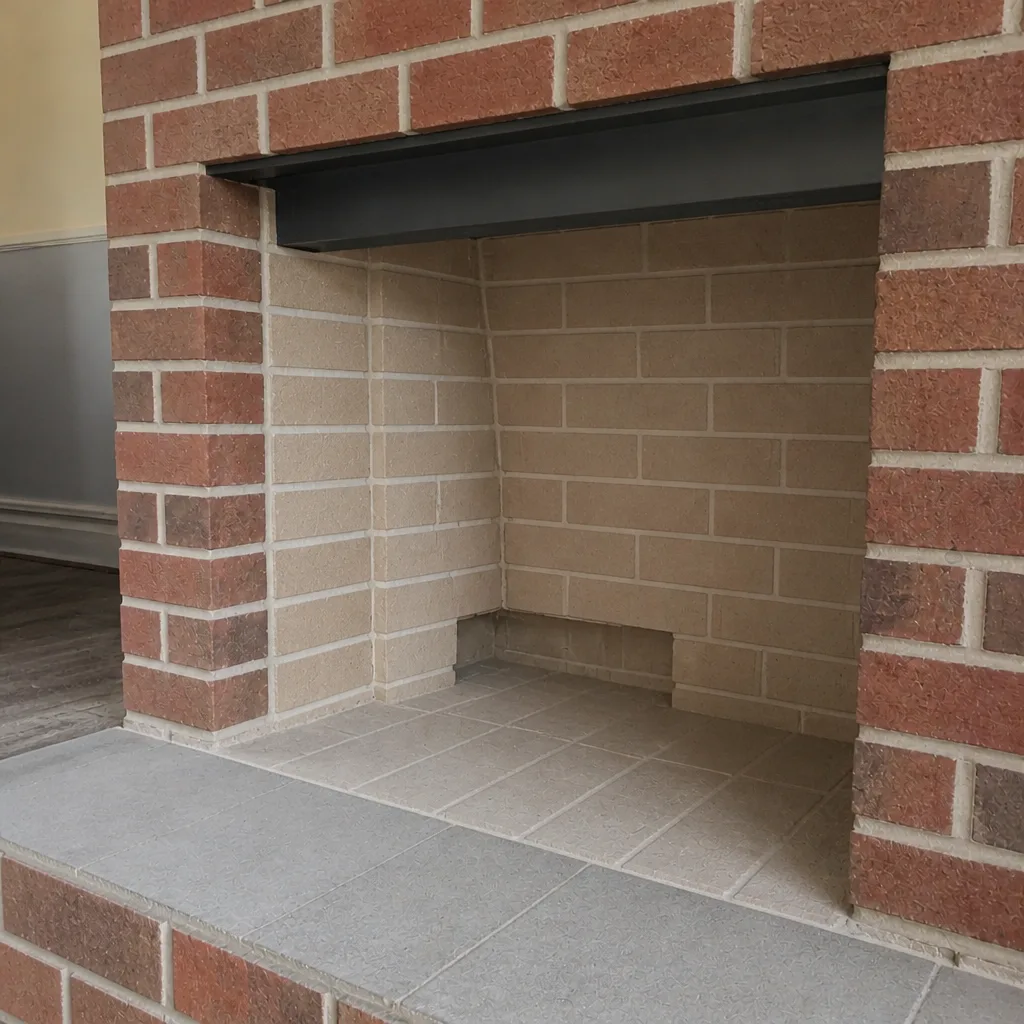
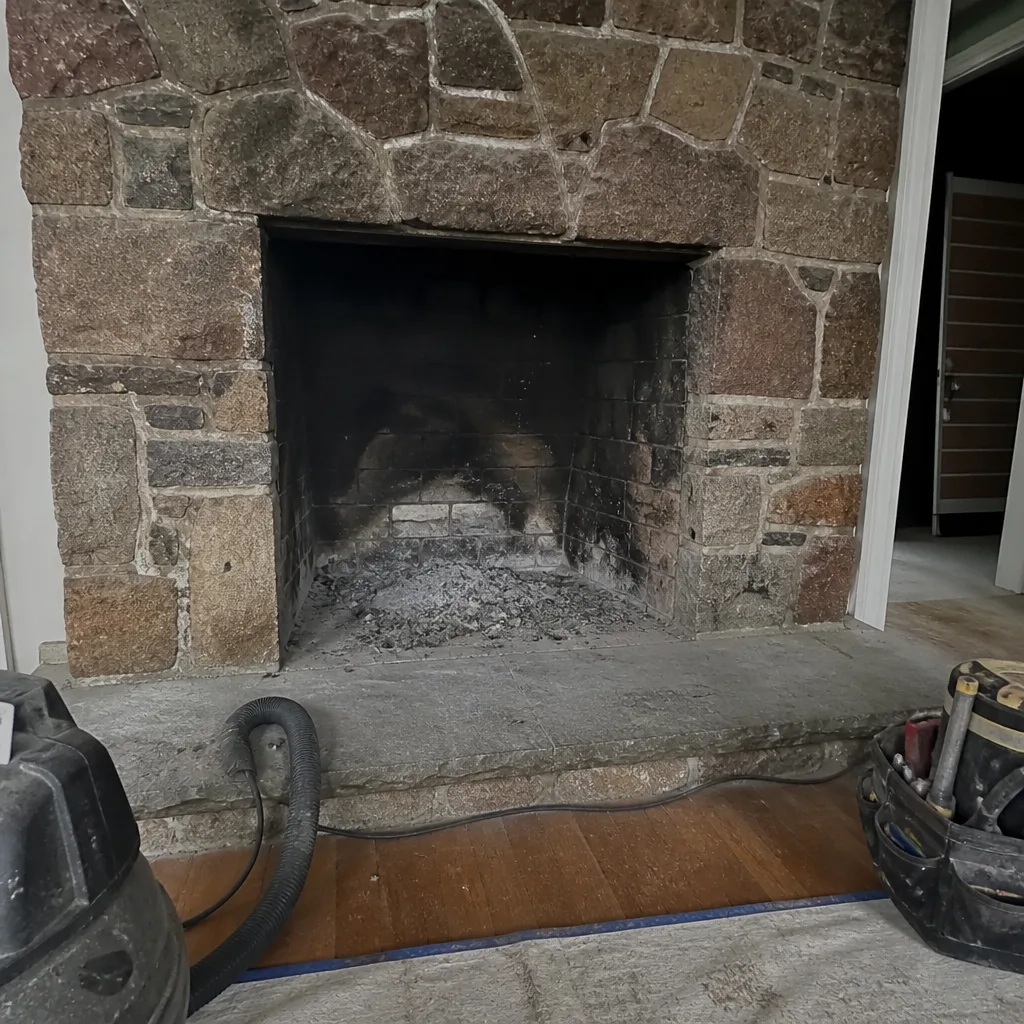
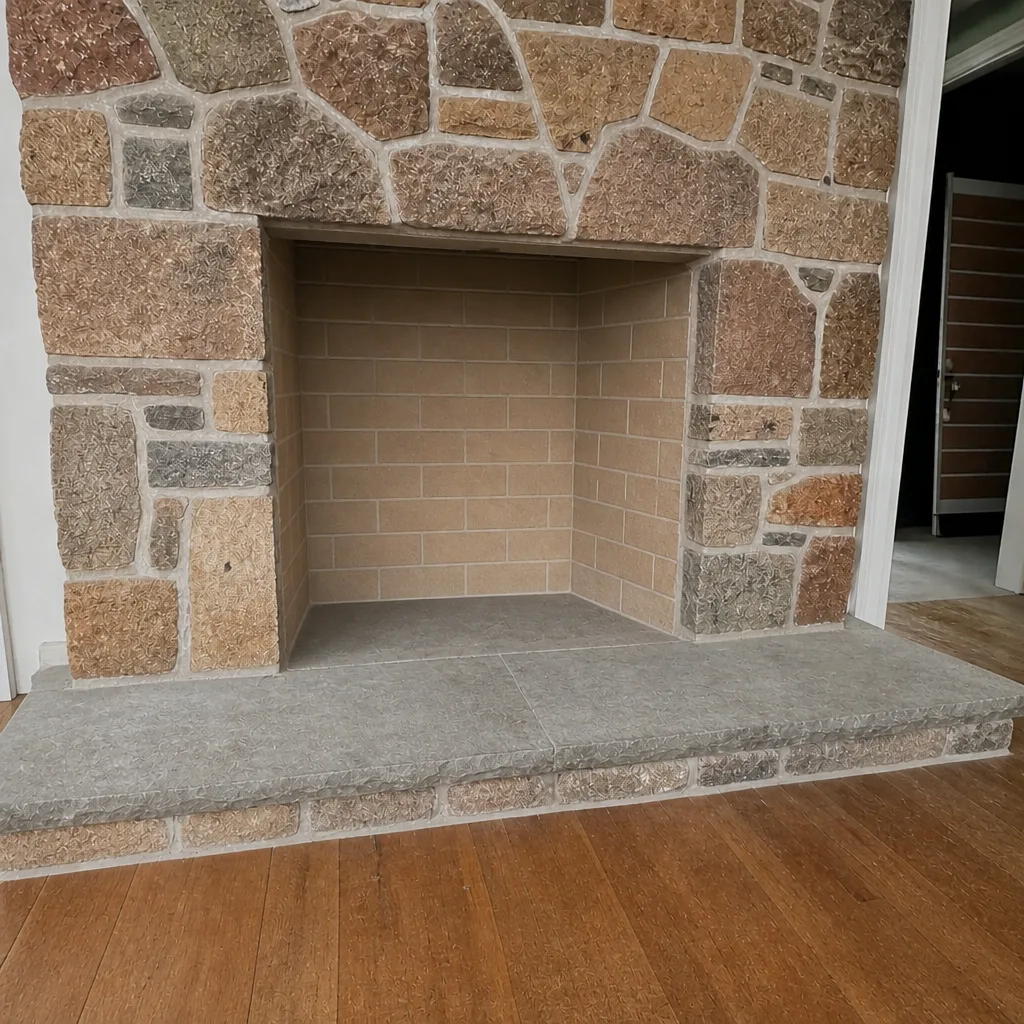
See the difference
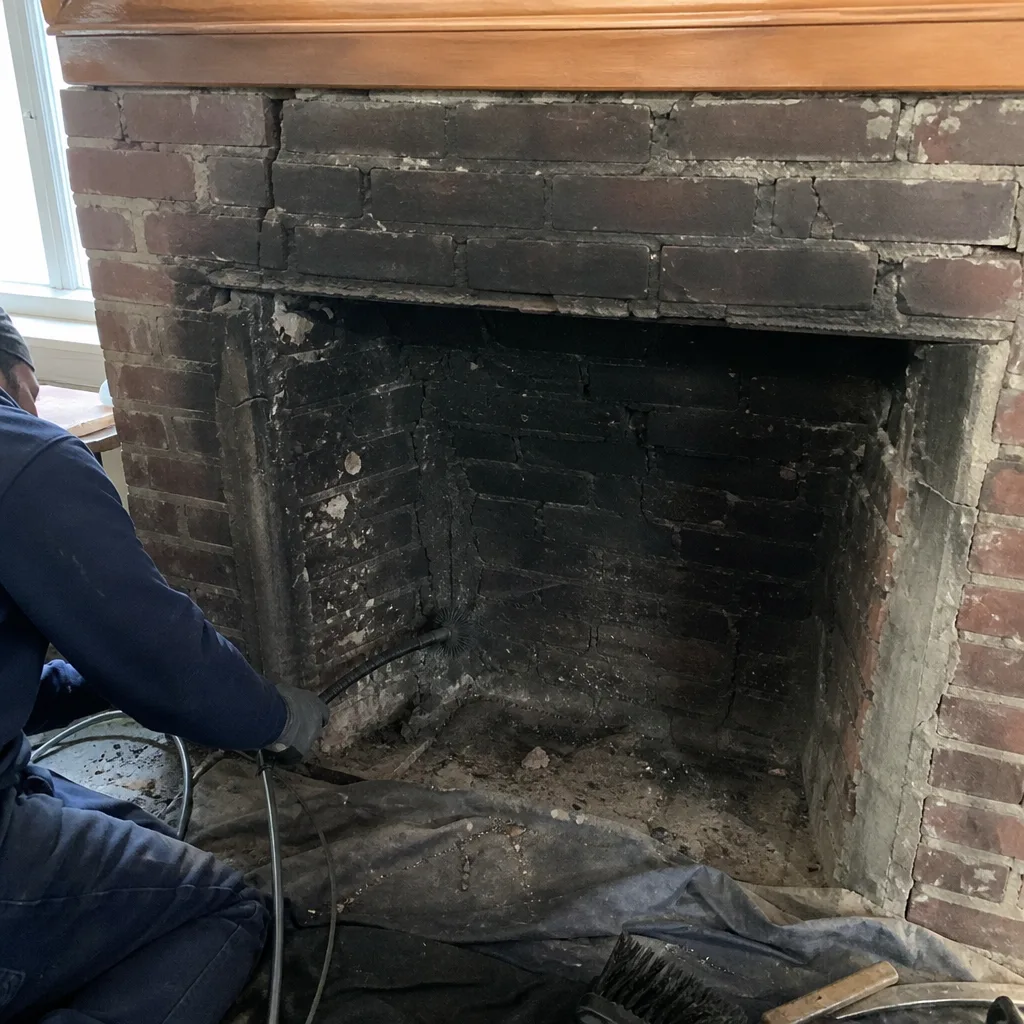 Before
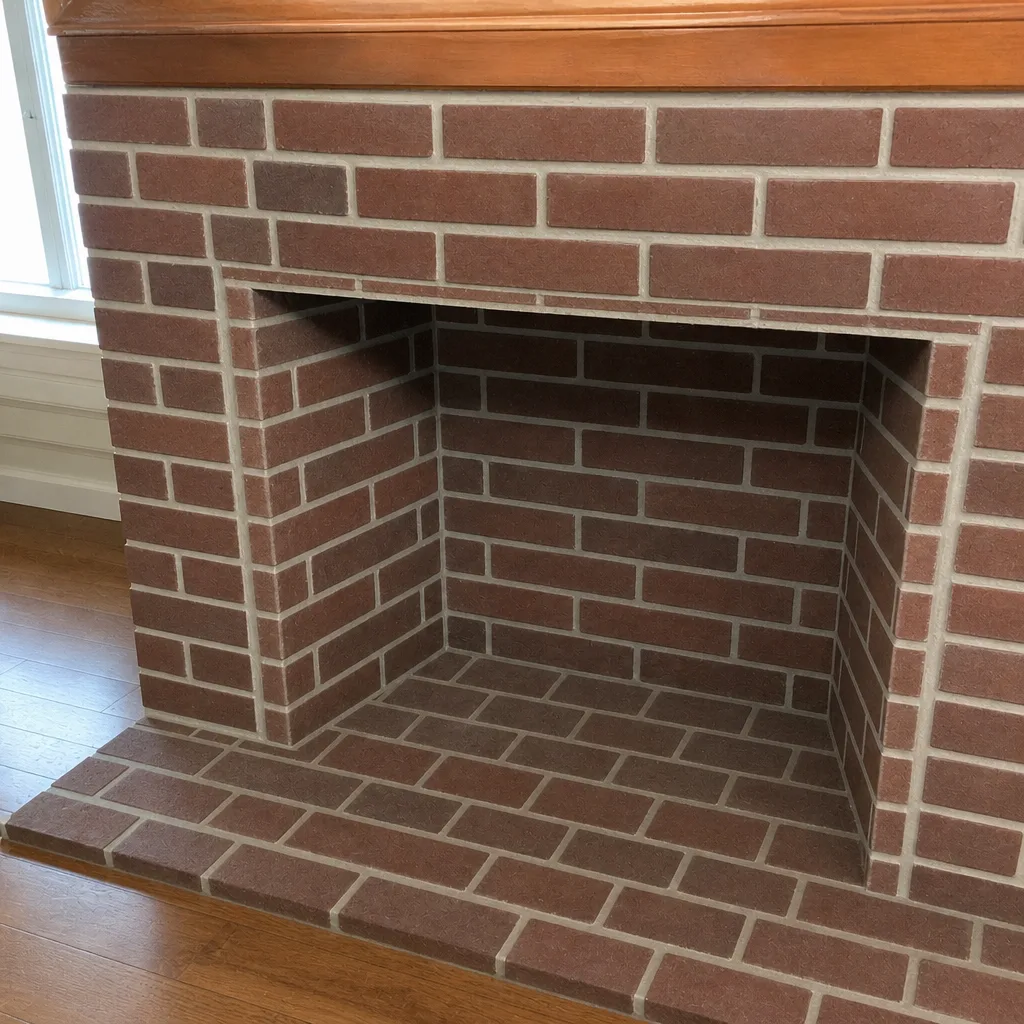 After
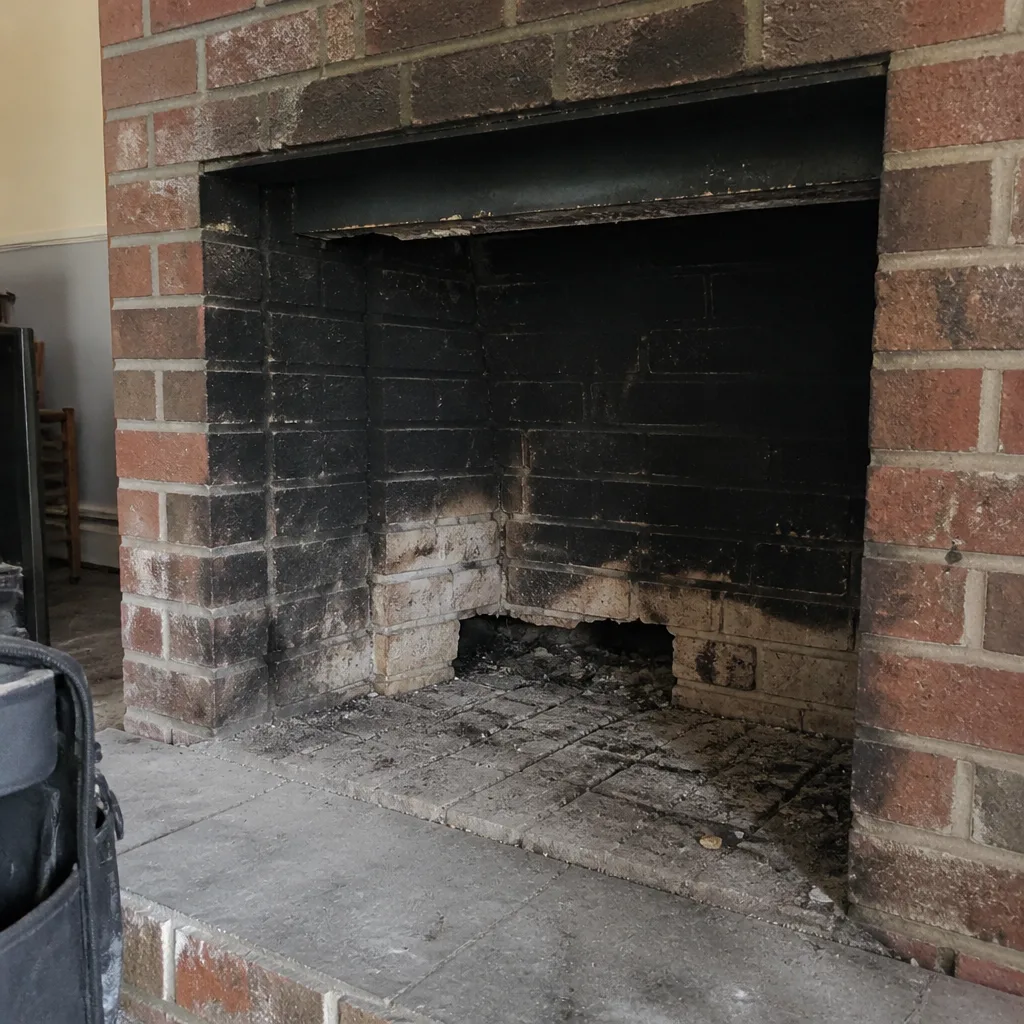 Before
 After
 Before
 After
Common Mistakes to Avoid
- Waiting until something goes wrong. The checklist’s job is to catch problems between professional visits, before they get expensive. A chimney that only gets looked at when it’s failing is a chimney that’s already cost you more.
- Doing your own roofline inspection. A ladder against a chimney on a sunny day looks easy. In reality it’s steep, often wet, and the fall risk outpaces any savings. Use binoculars from the ground, and leave the roof to a trained technician.
- Assuming smell means creosote. A smoky smell in the house after a fire can be a block in the flue, a draft problem, or a damper that isn’t sealing. None of them mean you’re overdue for a sweep by the calendar. The log and a look from the firebox narrow it down.
- Doing the checklist without a log. The single most useful thing you can bring to a sweep visit is a comparison. A note from last fall with today’s note is worth more than a memory of what the firebox used to look like.
- Letting efflorescence go uninvestigated. A little white powder after a wet spring is normal. Heavy or recurring efflorescence, in a town where freeze-thaw is a real factor, means moisture is moving through the masonry and needs a source fix, not a paint job.
- Mistaking a missing cap for a small problem. An open flue invites rain, nesting animals, and a wet liner. Replacing a cap is small work. Repairing what a missing cap allowed is not.
- Assuming a cracked liner means a full rebuild. A camera inspection tells you whether a targeted repair is possible. HeatShield restoration resurfaces a liner’s interior without ripping the whole flue apart. That decision is made after inspection, not before.
When to Call a Professional
Some findings call for a trained professional without delay. Stop using the fireplace and call if your checklist turns up visible cracks or crumbling in the firebox walls, a damper that won’t operate, a flue with obvious broken tile or debris inside it, a crown that’s cracked or pulled away, or exterior masonry that’s spalling heavily. The same goes for rusted-through caps, a chimney that’s leaning, or a draft problem you can’t explain. These are safety-related findings; a chimney blocked or leaking past a failed liner can let carbon monoxide or fire itself into the home. Don’t try to fix any of this yourself. And if you have a functioning system and simply can’t remember the last professional sweep, call and book one. Chimney Sweep Sunnyside offers free estimates in Sunnyside. Call (833) 472-1614. We answer 24/7. Fast dispatch from 7am to 7pm, Sunday through Friday.
If you’re comparing providers, look for one that runs a camera inspection and shares photos, quotes the repair from that inspection, and doesn’t just clean and disappear. That’s the standard we work to on every visit.
Frequently Asked Questions
Run the indoor firebox, damper, and smoke shelf check monthly, and the exterior cap, crown, and masonry check twice a year, in late fall before the freeze and early spring after burning season. Between these, the log is what makes each check useful. If you’ve never had a professional visit, a sweep and inspection comes first, because the checklist is built to monitor a system that’s already been examined.
The general guideline is once a year for a chimney in regular use, though a system that burns a lot of wood, or one where creosote builds quickly, may need a look more often. The checklist and log help you and your sweep decide based on your actual system. Call (833) 472-1614 for an exact quote on a sweep and inspection; estimates are free.
Light, occasional efflorescence is a cosmetic signal that moisture is present and moving through the masonry. Heavy or recurring efflorescence, in a town with a real freeze-thaw cycle, points to a water source that needs to be found and fixed before the freeze drives more masonry apart. When to call is clear: the white staining keeps coming back, or spalling has started alongside it. Call (833) 472-1614 for an inspection.
That smell usually points to one of three things: a partially blocked flue, a damper that isn’t sealing, or a pressure problem in the house that’s pulling air down the chimney. It’s a finding, not a verdict. Your log helps narrow it down, and a professional visit confirms the cause. Call (833) 472-1614 to get it checked.
Not reliably. You can spot warning signs from the firebox opening: flaking material at the base of the flue, visible cracks in the first few feet, unusual discoloration on the smoke chamber walls, or a draft that’s suddenly weaker. Those signs are grounds for an inspection, which is where a camera shows what’s actually happening. HeatShield restoration from the inside is an option for a liner with a sound structure and a deteriorating interior. Before assuming a full rebuild, get it looked at.
It does. The cap sheds rain, keeps birds and squirrels out, and stops sparks from reaching the roof. A cap that’s missing, loose, or rusted through is a direct route for water into the liner. From the ground with binoculars, check that the cap is level, intact, and properly sized to the flue. If it’s not, that’s a repair, and a small one. We install caps with Famco components, the kind of commercial-grade hardware specified for professional chimney work.
The Bottom Line
A good maintenance checklist is a way of watching your chimney between visits, not a substitute for the visit. The monthly indoor check takes five minutes. The seasonal exterior check takes ten, with binoculars. The log takes a minute and gives a sweep a comparison that makes an honest recommendation easier. In Sunnyside, where freeze-thaw does steady work on masonry, a system that’s watched through the year degrades on a much smaller schedule than one that’s only looked at when it fails. Run the checklist, keep the log, and when something changes, get an inspection with photos before deciding on a repair. The chimney that gets watched costs less to fix.
Ready to book a professional sweep or a camera inspection? Call Chimney Sweep Sunnyside at (833) 472-1614 for a free estimate. We answer 24/7. Fast dispatch from 7am to 7pm, Sunday through Friday.
Written by the team at Chimney Sweep Sunnyside.