
Last updated November 25, 2026
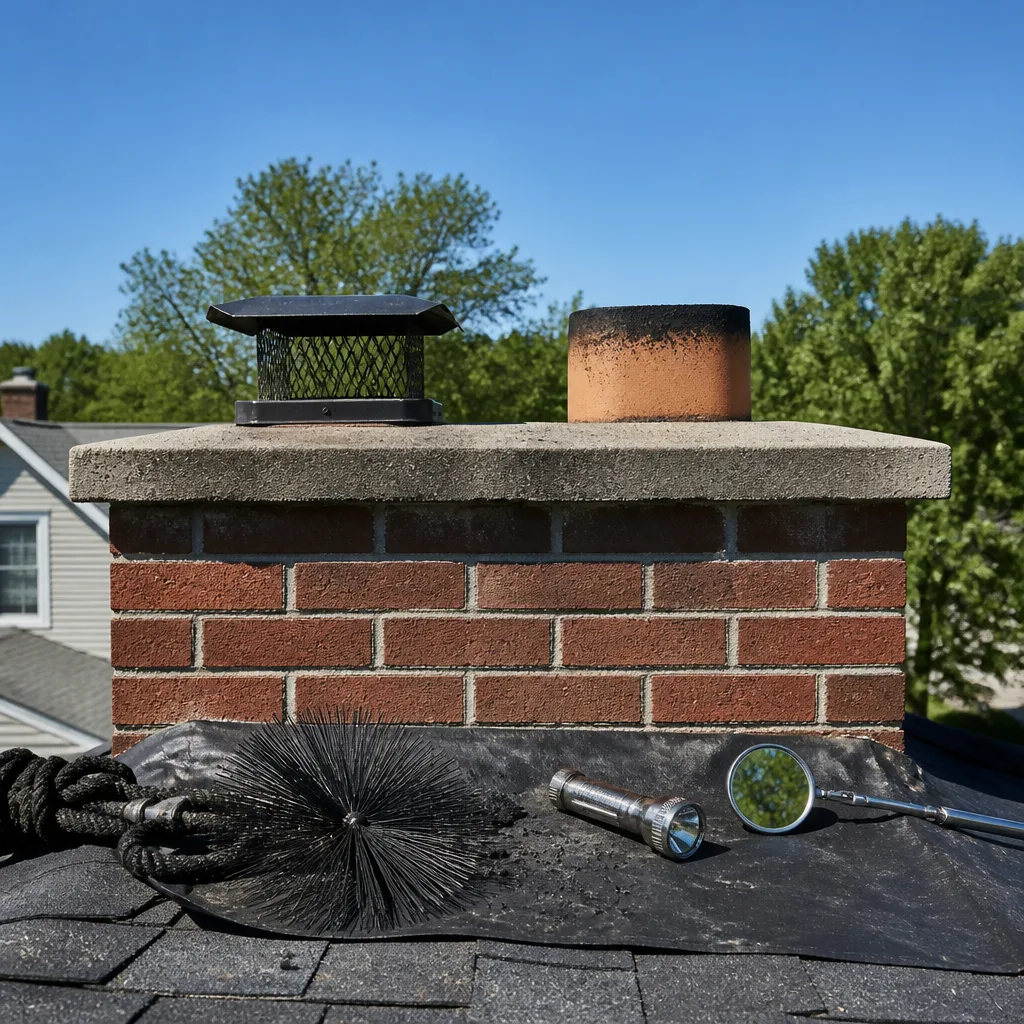 Sweep & inspection
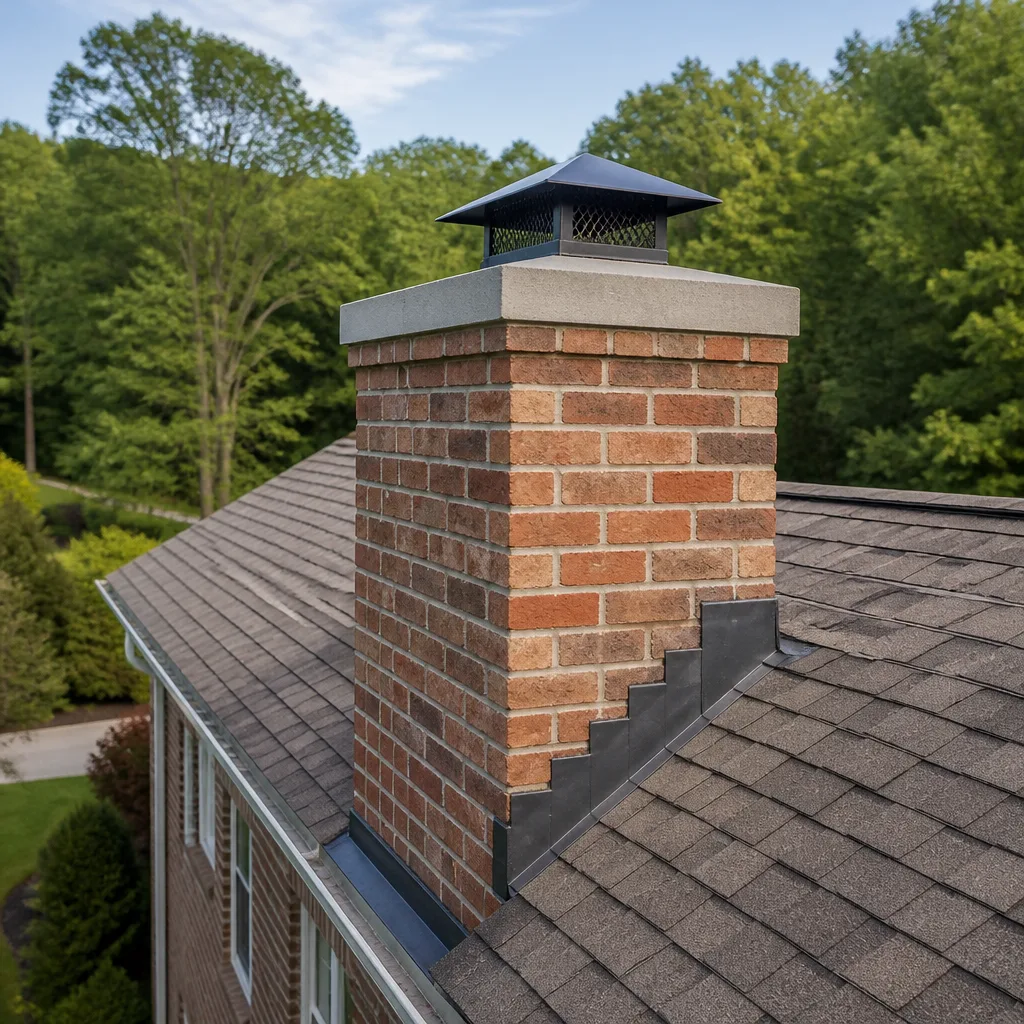 Caps & crowns
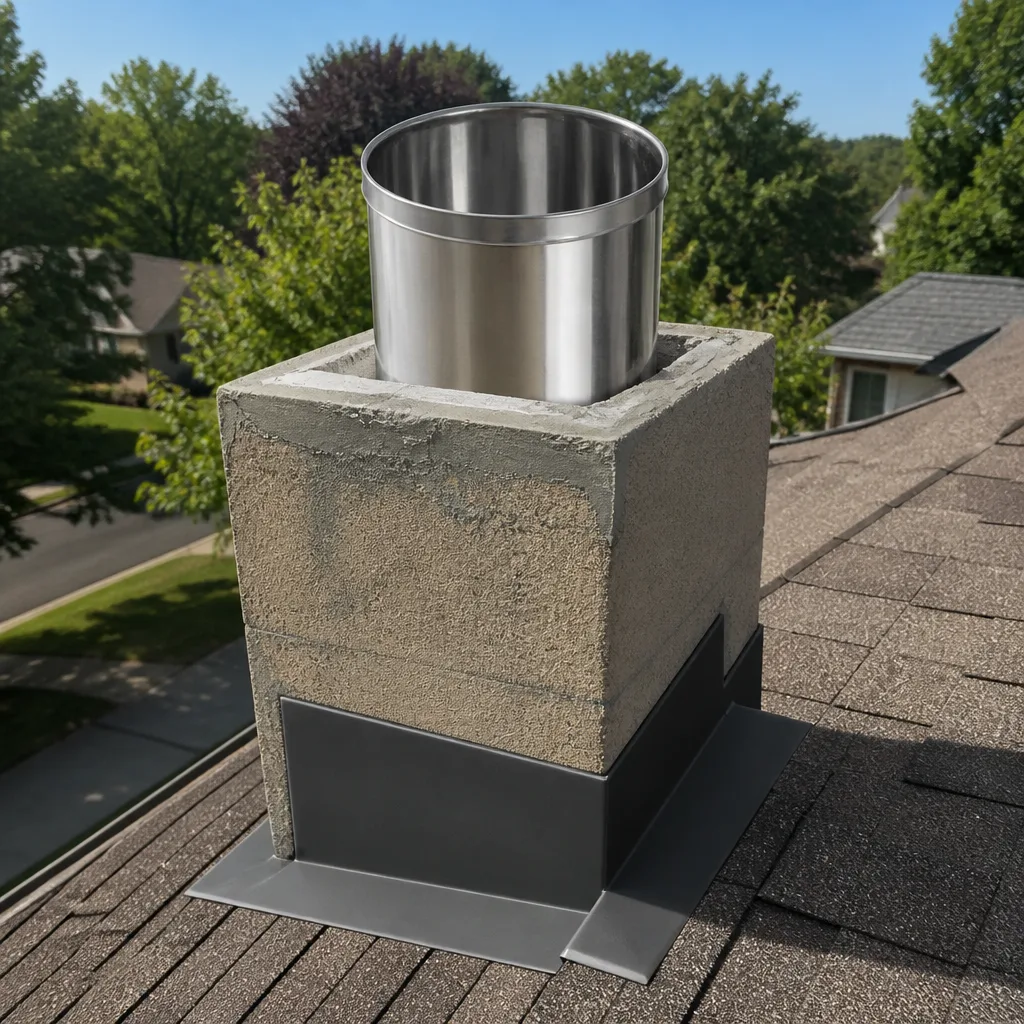 Flue relining
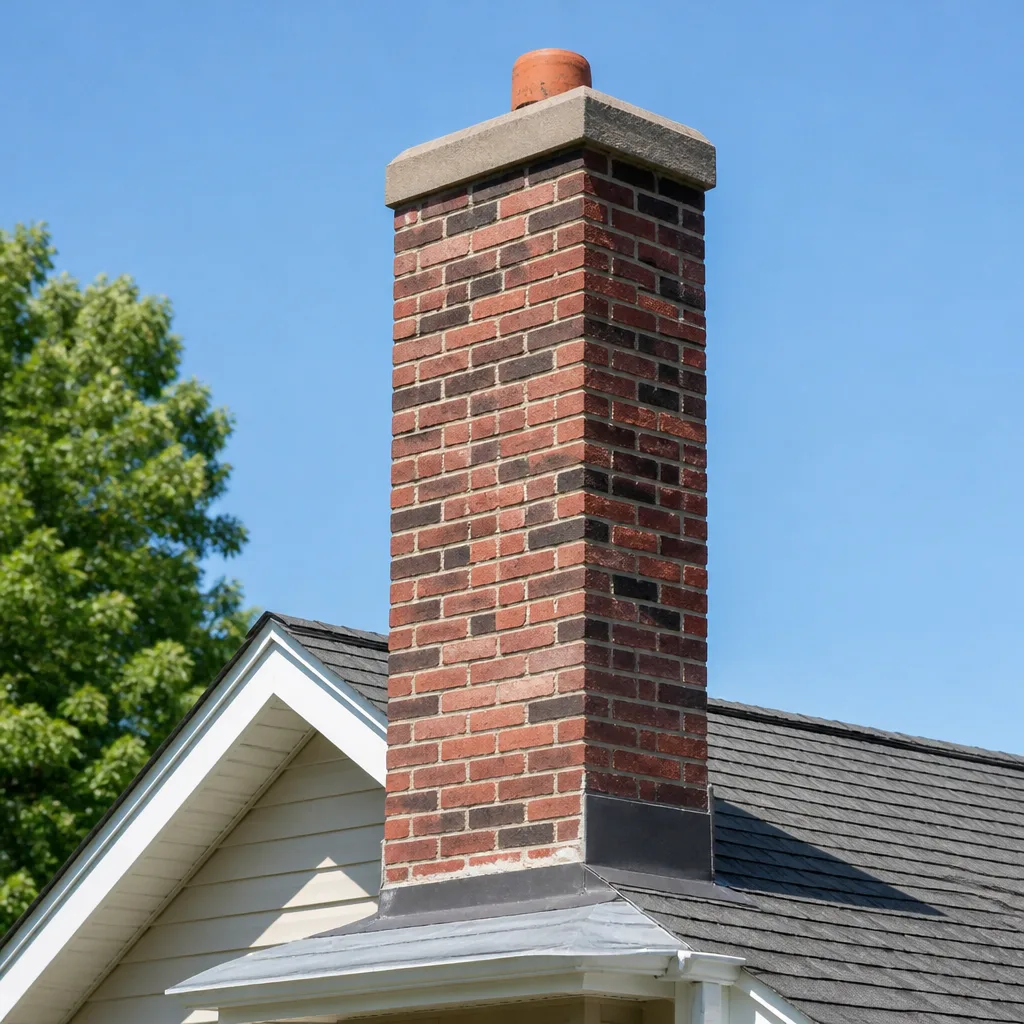 Masonry repair
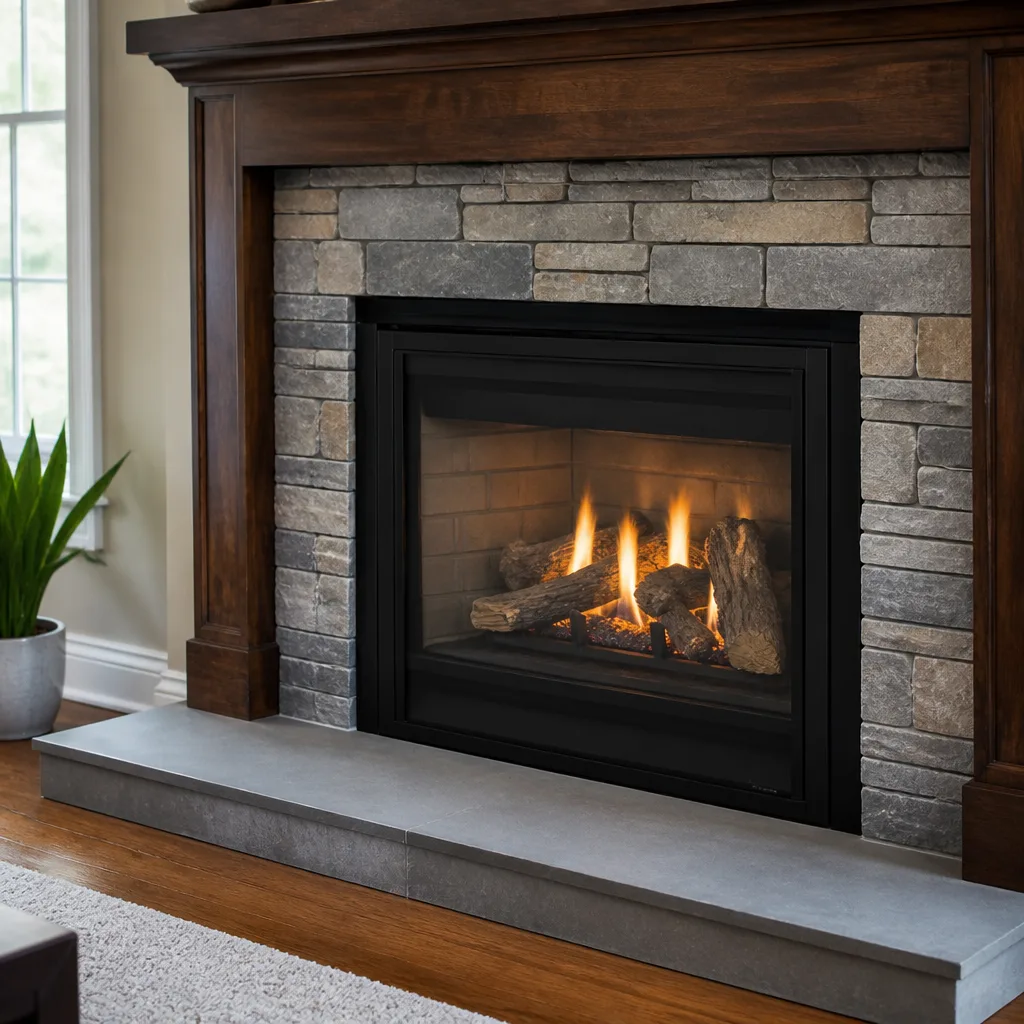 Gas fireplace service
Level 1 sweep and inspection to the NFPA 211 annual standard - flue, crown, cap, and flashing checked and photographed
Chimney sweep logs do not sweep chimneys. They loosen some creosote - which then falls where a brush and vacuum still have to collect it.
Chimney Sweep Maintenance Schedule: What to Do and When
The chimney industry recommends one sweep per year. That number gets repeated everywhere, and it’s a reasonable floor, but it was written for a generic fireplace in a generic house. It doesn’t account for the gas boiler flues that run through a lot of Sunnyside rowhouses, the terra cotta liner tiles that expand and crack through the freeze-thaw swing of a Queens winter, or the fact that a wood-burning insert and an oil-fired boiler connection don’t age on the same clock. A single annual sweep can miss the windows where small problems become structural ones. This guide lays out a month-by-month schedule built around how chimneys actually age in Sunnyside, split by appliance type, with the tasks you can handle yourself and the ones that need a professional.
Quick Answer
Sweep a wood-burning fireplace once a year, ideally in August or September before the heating season starts. Have gas insert and boiler flues inspected annually and swept only when the inspection shows buildup. Check the cap and crown visually every quarter and book a professional inspection after winter in March or April to catch freeze-thaw damage before it spreads. Every chimney needs a Level 1 inspection annually, and a Level 2 inspection whenever the appliance, fuel type, or flue changes or after a chimney fire or building event.
Styles & brands we work with
- Sweep & inspection
- Caps & crowns
- Flue relining
- Masonry repair
- Gas fireplace service
Table of Contents
- Why One Sweep a Year Isn’t a Real Schedule
- Separate Schedules by Appliance Type
- The Sunnyside Seasonal Calendar
- Why Late Summer Is the Pre-Season Window in Queens
- The March – April Post-Season Check
- Level 1 vs. Level 2 Inspections and What Triggers Each
- What You Can Do Quarterly vs. What Needs a Professional
- Common Mistakes to Avoid
Why One Sweep a Year Isn’t a Real Schedule
The once-a-year rule treats every chimney as the same system. It isn’t. A chimney is a flue, a liner, a crown, a cap, a damper, and a firebox, and each of those ages at a different rate depending on what burns inside it and what the weather does outside it. An oil boiler flue handles steady low-temp combustion through the winter and rarely builds the kind of creosote a wood fireplace does, but it does produce sulfur byproducts that attack mortar joints over time. A gas insert flue runs cleaner still but can collect a white, powdery residue. A wood fireplace builds real creosote and needs an actual sweep on a real schedule.
When you collapse all of that into one annual sweep, you end up sweeping the wrong flues and ignoring the right ones. In our experience across Sunnyside, the missed items usually aren’t the sweep itself. They’re the crown cracking from a hard freeze, the cap coming loose in a windstorm, or the terra cotta liner spalling quietly in a flue nobody has looked up inside of in a couple of years. A real maintenance schedule splits by appliance type and adds seasonal checkpoints, so the sweep happens when it should and the structural work gets caught before it compounds.
The starting point for any schedule is a proper baseline inspection. If it’s been a few seasons since anyone has looked up inside the flue, that’s where we begin, and it’s also where a solid annual chimney sweep resets the clock.
Separate Schedules by Appliance Type
Wood-burning fireplaces, gas insert flues, and oil or gas boiler connections each need their own maintenance clock. Treating them as one system is where most schedules go wrong. Here’s how we break it down for Sunnyside homeowners.
Wood-Burning Fireplaces
Sweep annually at minimum. If you burn hardwood and keep fires hot and well-ventilated, once a year is usually enough. If you burn softwood or damp wood, or you use the fireplace more than three nights a week through the season, plan on a second sweep mid-season. Look for a quarter-inch or more of soot or creosote buildup at the smoke chamber as the sweep trigger, and never wait on a blocked flue before you notice the draw getting weak.
Gas Insert Flues
Inspect annually. Gas burns cleaner, so a full sweep isn’t always necessary. The inspection is what matters. We look for liner degradation, loose connections, and the powdery residue that signals incomplete combustion. The flue still needs to vent properly, and a compromised liner in a gas insert can allow exhaust to migrate into the living space.
Oil and Gas Boiler Connections
Inspect and clean the boiler flue annually, and prioritize the inspection over the sweep. Oil-fired flues can produce acidic condensate that eats into mortar and terra cotta over time, and gas-fired flues can show signs of condensation damage in a cold chimney. Book the boiler flue inspection in the late summer along with the fireplace so both get handled before heating season and before the contractor backlog hits.
The Sunnyside Seasonal Calendar
Here’s the schedule we work from, laid out by month and task. Queens winters are cold and wet, and the freeze-thaw cycles that crack crowns and mortar joints are the primary recurring threat. Summer heat and humidity dry out masonry, so the seasonal windows here are built around those two forces.
- January – February: Mid-season burns. Check the firebox for ash buildup and clear it out when it’s more than an inch deep. Keep an eye on the cap after any windstorm.
- March – April: Post-season visual check. Look for spalling brick, cracked crown, or shifted mortar. Book a professional inspection if anything looks off. This catches freeze-thaw damage before summer heat works deeper into the masonry.
- May – July: Structural repair window. If spring inspections turned up crown, cap, or masonry issues, this is when weather allows the fastest, most reliable repairs, and this is when our chimney cap & crown work stays ahead of the backlog.
- August – September: Pre-season inspection and sweep. This is the sweet spot. Get the annual sweep done, the Level 1 inspection handled, and any liner or repair recommendations quoted before the first cold snap.
- October – December: Heating season. Burn responsibly, monitor draw, and only call mid-season if the draw weakens or the firebox shows real creosote buildup.
The specific dates shift by a few weeks depending on the season, but the sequence holds. What we don’t want to see is a Sunnyside homeowner booking the sweep in late November, when the professional backlog has already priced them in and every sweep crew in Queens is five weeks out.
Why Late Summer Is the Pre-Season Window in Queens
August and September are the single best months to book a chimney inspection and sweep in Sunnyside. Not because chimneys are cleaner in the summer. Because everyone is trying to schedule in October, and the ones who book early get the inspection done before the first fire of the season, not after. There’s also a practical difference: in late summer the flue is dry, the crown is accessible, and if repairs turn up, there’s still time to complete them before the first freeze.
What that gives you in practice is a proper inspection, not just a sweep. A chimney sweep removes soot and creosote. An inspection looks at the whole system, from firebox throat to cap, and that’s what we do before the season starts:
- Camera view of the flue interior to check liner condition
- Crown inspection for cracks, cracking at the cap junction, or lost mortar
- Cap and spark arrestor check for damage or bird debris
- Damper and smoke chamber check for operation and obstruction
- Firebox and hearth inspection for cracks or compromised brick
- Written report with photos and any recommended repairs quoted on the spot
When the chimney repair work turns out to be a liner issue, HeatShield liner restoration is often the answer, and it’s a repair many sweep-only companies can’t offer. Resurfacing a deteriorating flue with a HeatShield liner is a real alternative to a full chimney rebuild in many cases, and asking the question before assuming rebuild saves a lot of disruption.
The March – April Post-Season Check
Freeze-thaw damage is the quiet one. Water gets into a hairline crack, freezes overnight, expands, and forces the crack wider. Repeat that dozens of times through a Queens winter and a small crack in the crown becomes a real route for water into the flue. That’s why the March – April visual check matters. It’s a fifteen-minute look from the ground and a slightly closer look from the roof, if your chimney is visible from an accessible vantage point.
What to look for after the season ends:
- Chunks of mortar or brick on the roof or at the chimney base
- A crown that shows a visible crack, or a crown that looks like it’s pulling away from the flue
- A cap that’s tilted, missing its mesh, or sitting loose
- Water staining on the ceiling near the chimney chase
- Rust on the damper or firebox hardware, a common sign of moisture getting in
If any of those turn up, book a professional inspection. What we don’t want is a homeowner trying to fix a crown in April with a tube of caulk, then finding out in October that the water got into the liner. Crown and cap work is one of those tasks where Famco and Gelco components specified for the job are what make the repair last, and re-caulking the crown isn’t the same thing as rebuilding it with proper materials. Ask us about HeatShield liner restoration before assuming you need a full rebuild. Sometimes liner resurfacing is the right path; sometimes it isn’t. The inspection is what tells you which.
Level 1 vs. Level 2 Inspections and What Triggers Each
NFPA 211 spells out three inspection levels, and most homeowners only need to know the first two. The schedule is what determines which one you book.
Level 1 Inspection
An annual, routine inspection of the readily accessible portions of the chimney. This is what you schedule every year as part of the pre-season routine. It covers the firebox, damper, smoke chamber, visible flue interior, and cap, and it’s the baseline inspection behind your annual maintenance plan.
Level 2 Inspection
A more thorough inspection triggered by a change in the system or an event. Per NFPA 211, you need a Level 2 inspection when the appliance or fuel type changes, when the chimney is being sold or transferred (many home sale transactions trigger this), after a chimney fire, after a building fire, or after an earthquake or other event that could have damaged the flue. A Level 2 includes a camera inspection of the entire flue interior, plus accessible attic and crawl spaces where the chimney passes through.
Level 3 Inspection
Reserved for concealed areas that require opening walls or removing components to access. Rare, and only used when the Level 1 and 2 findings point to a specific hidden problem.
In Sunnyside, the most common Level 2 trigger is a home sale. If you’re buying or selling a rowhouse with a chimney, plan on a Level 2 as part of the transaction and get the camera report in hand before the closing table. The second most common trigger is a chimney fire, even a small one the homeowner barely noticed at the time.
What You Can Do Quarterly vs. What Needs a Professional
Some chimney maintenance is homeowner-level work. Some is not. Here’s the split, per quarter.
Quarterly homeowner checks
- Open and close the damper to confirm it operates freely and seats properly
- Look at the cap from the ground: is the mesh intact, is the cap level and seated
- Clear ash from the firebox when it’s more than an inch deep
- Check the firebox for cracked brick or deteriorating mortar at the joints
- Look at the exterior brick for spalling, discoloration, or obvious cracks
Professional-only tasks
- Any flue interior inspection (camera or hand-tool)
- Any sweep of creosote at a glaze stage
- Crown replacement or crack repair beyond cosmetic
- Cap and spark arrestor installation or replacement
- Liner repair or replacement, including HeatShield liner resurfacing
- Any work inside the firebox beyond ash removal
- Boiler flue inspection and cleaning
One thing worth saying plainly: don’t reach up into a flue from the firebox to check for creosote. Don’t try to clear a blocked flue with poles from the roof. High-tension components and long blind drops aren’t the place for a DIY run. If a check raises a flag, book the inspection.
Common Mistakes to Avoid
- Scheduling the sweep in late fall. By November every sweep company in Queens is booking weeks out. August and September get you the same work with room for repairs if something turns up.
- Skipping the post-season visual in March and April. Freeze-thaw damage starts small. A spring look catches it before summer heat and rain work it into the flue.
- Assuming a sweep is an inspection. A sweep cleans. An inspection evaluates the crown, cap, liner, firebox, and connectors. They’re two different jobs, and a proper annual schedule includes both.
- Treating all flues on one schedule. A gas boiler flue and a wood-burning fireplace flue don’t need the same interval. Sweeping the gas flue annually when it doesn’t need it wastes money; skipping the boiler flue inspection entirely is the real risk.
- Not asking about liner restoration before assuming rebuild. A deteriorating terra cotta liner often looks like a rebuild candidate. In many cases HeatShield resurfacing handles it without tearing the chimney apart.
- Waiting until you smell smoke or the draw weakens. A blocked or partially blocked flue can be silent until it isn’t. Creosote at glaze stage won’t announce itself with a smell.
- Skipping the Level 2 inspection on a home sale. In a Sunnyside rowhouse, a buyer’s inspector will flag chimney questions, and a proper Level 2 camera report is the fastest way to close on the chimney item.
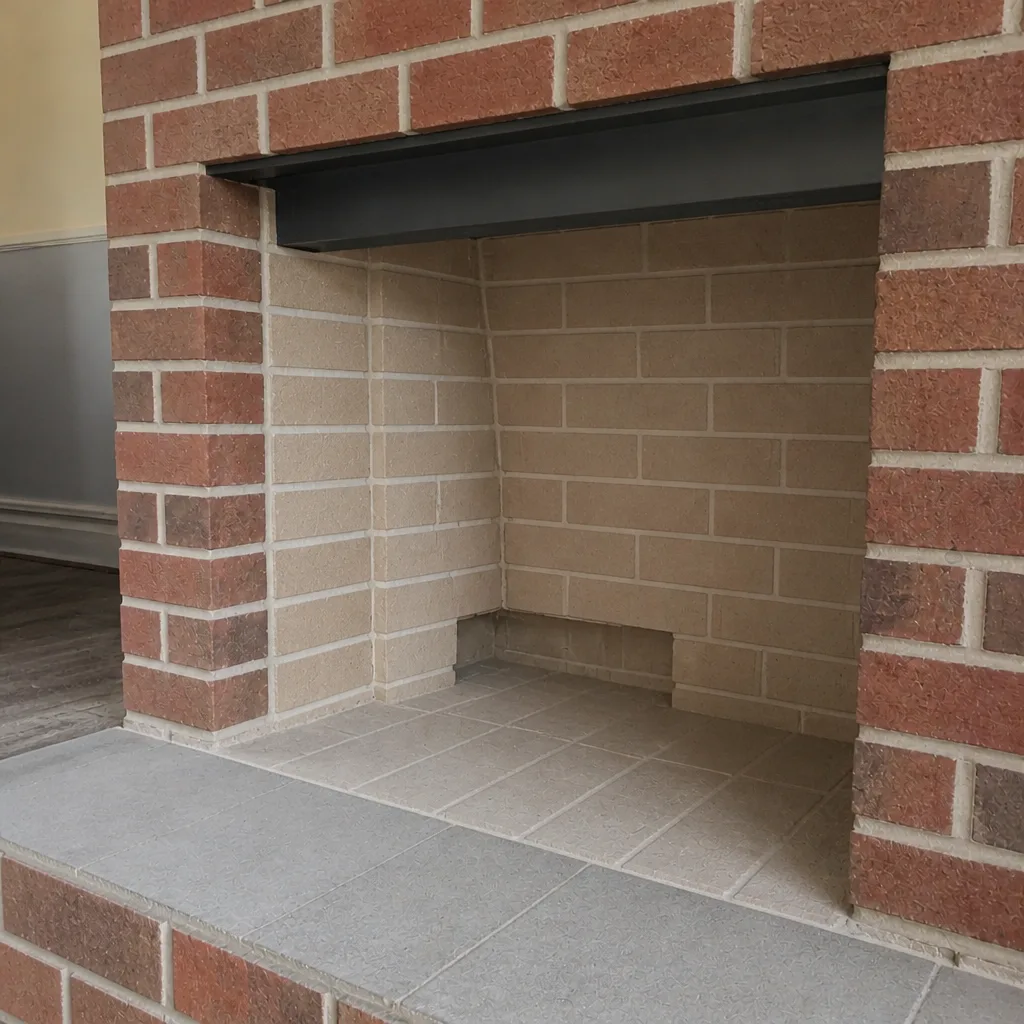
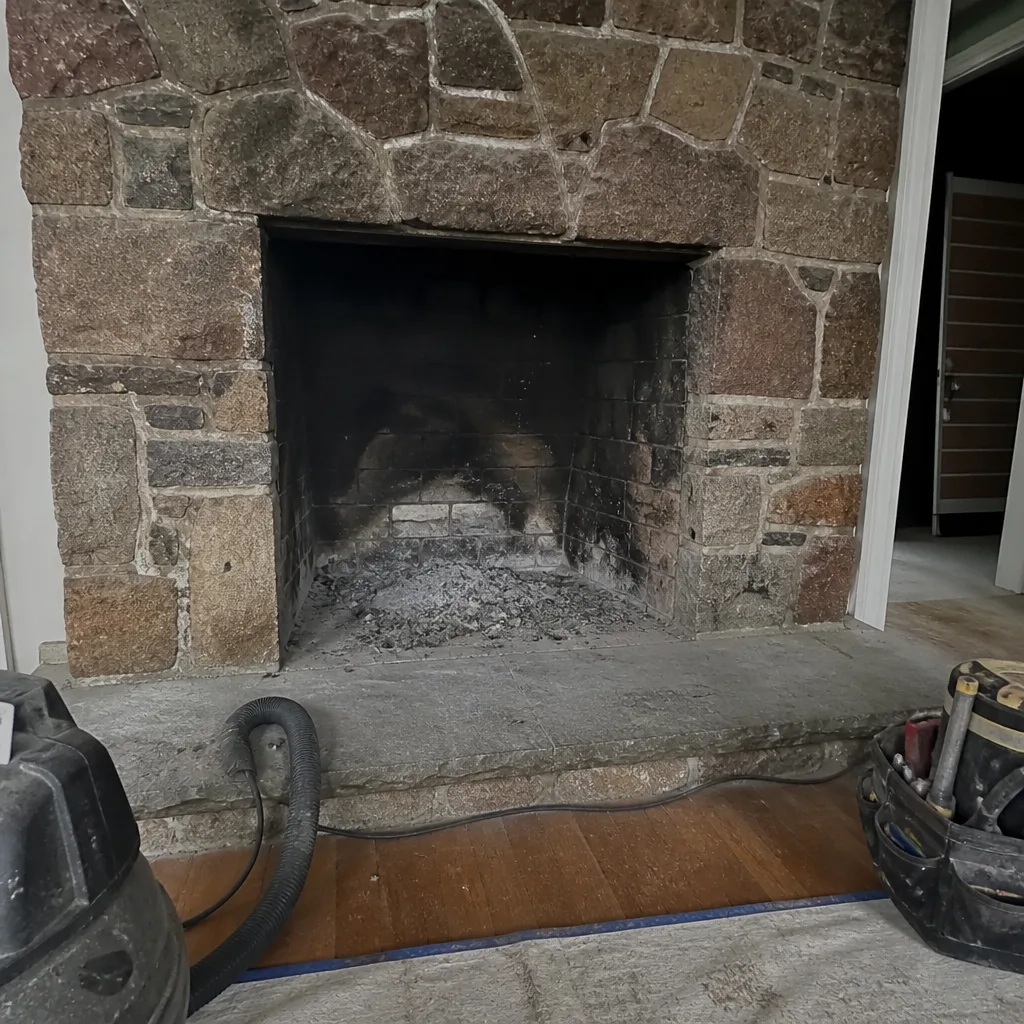
See the difference
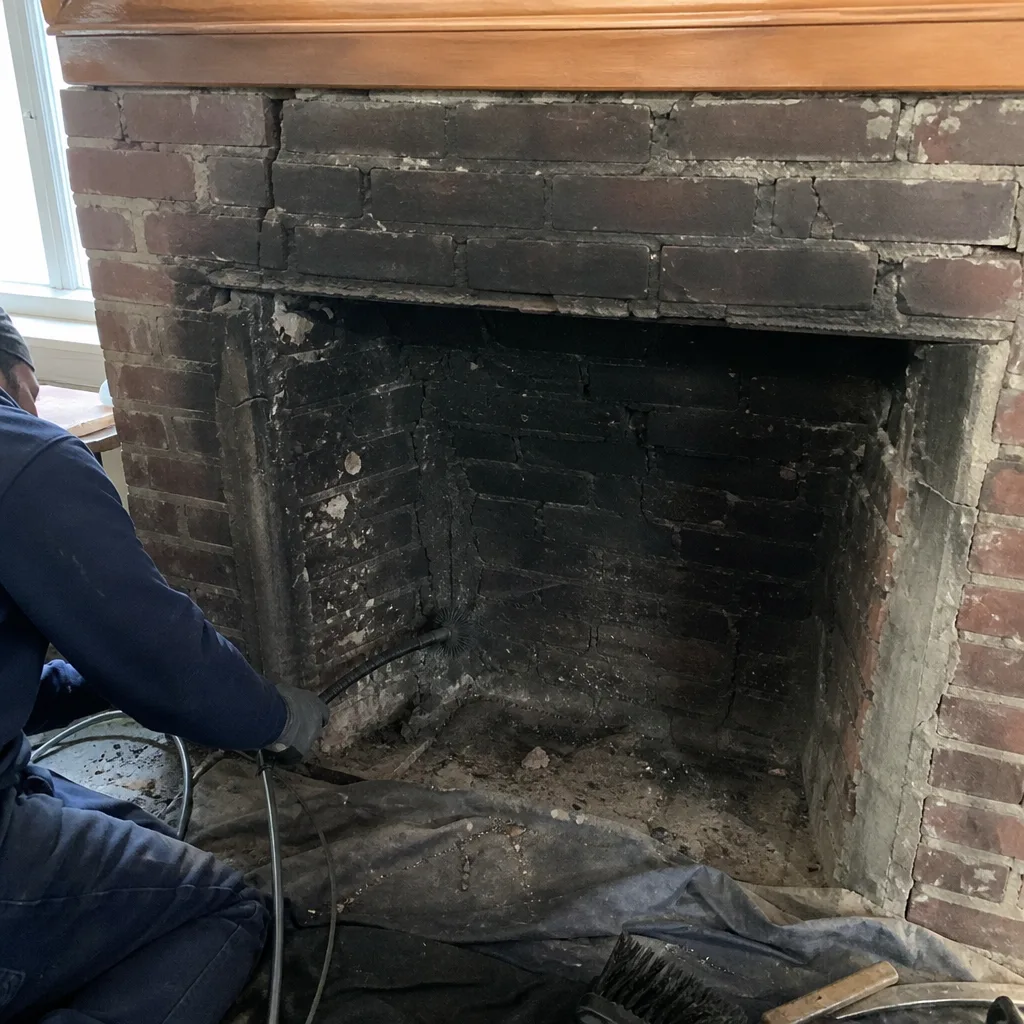 Before
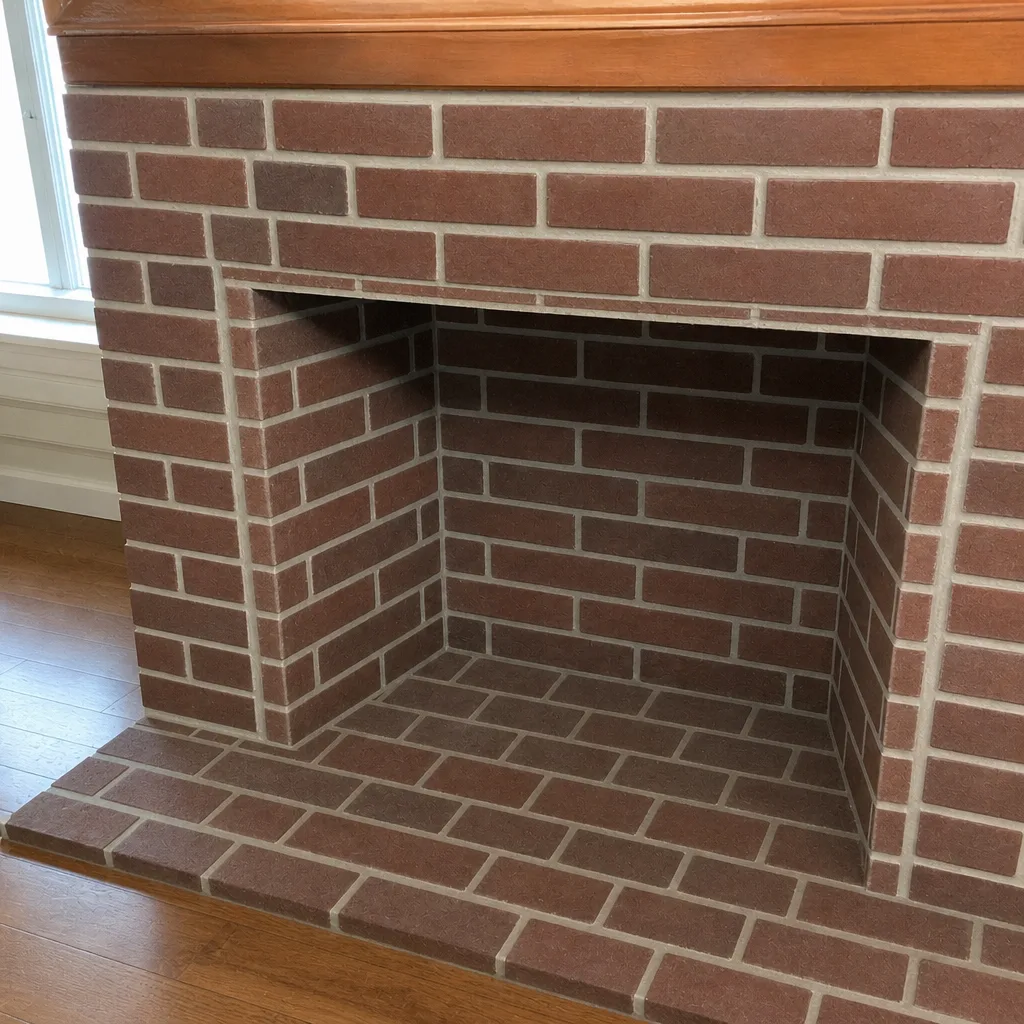 After
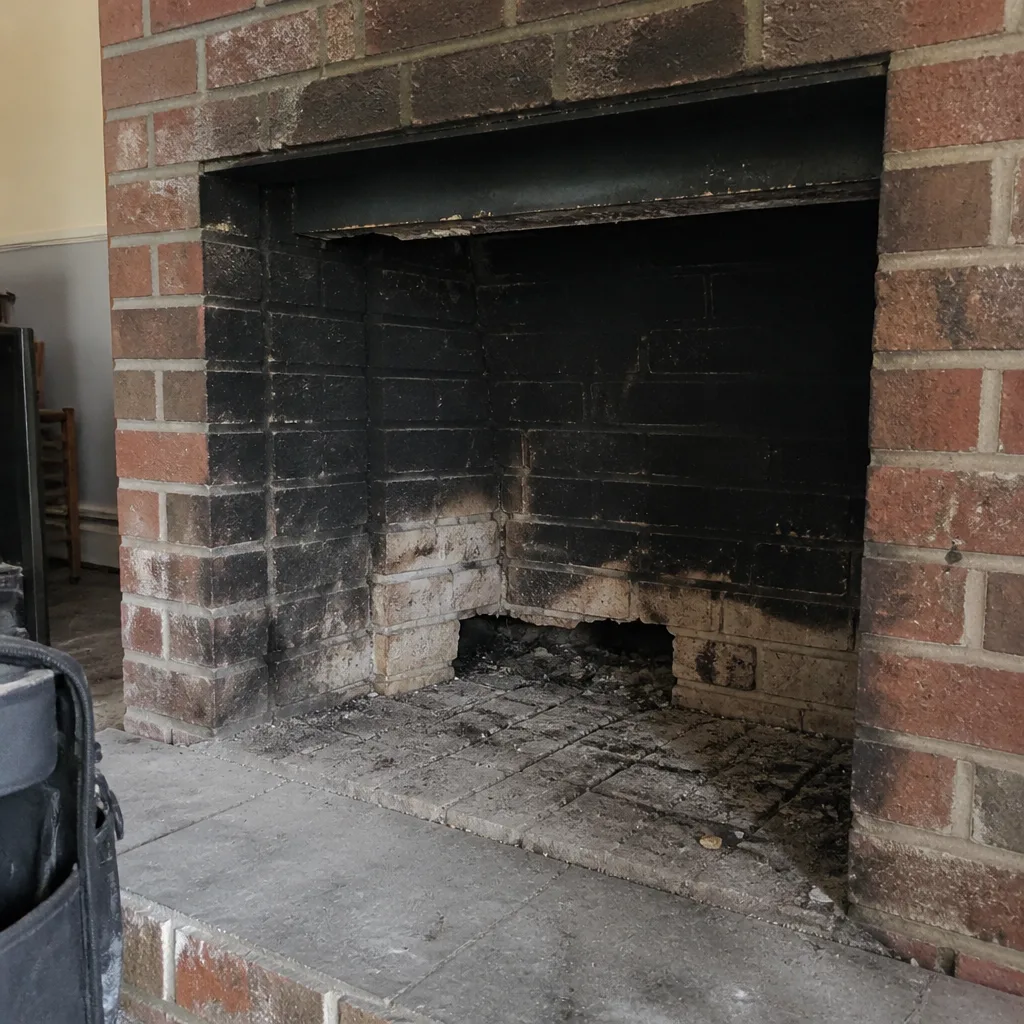 Before
 After
 Before
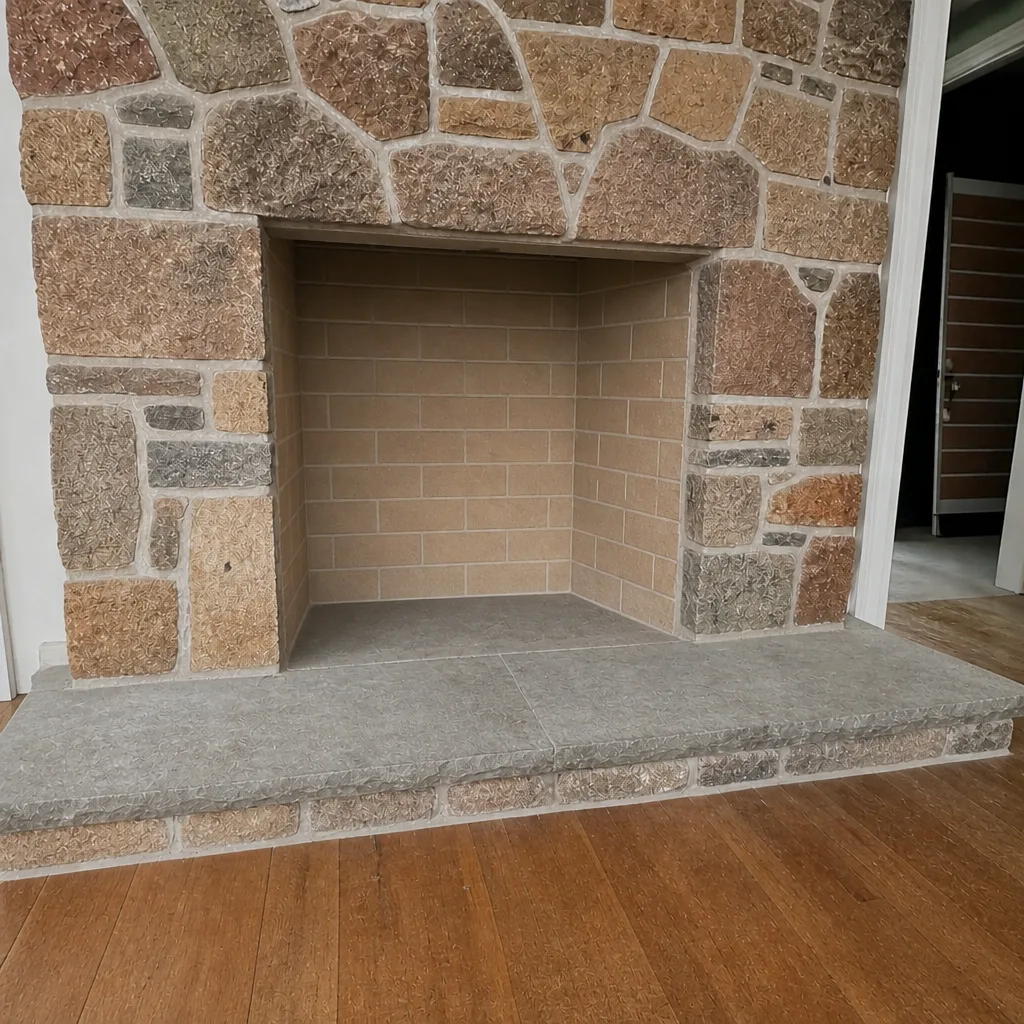 After
When to Call a Professional
Some of what’s in this guide is homeowner-level work. Some of it isn’t, and knowing where the line sits is what keeps the schedule safe. Call a professional:
- If you haven’t had the flue inspected in a year or more
- If the draw on the fireplace weakens or smoke pushes back into the room
- If there’s been a chimney fire, even a small one
- If you’re buying or selling and need a Level 2 inspection
- If the crown, cap, or masonry looks damaged from the ground
- If there’s water staining near the chimney chase
- If your boiler flue hasn’t been inspected since last season
- If you’re switching the appliance or fuel type
Chimney Sweep Sunnyside handles the full system, from firebox to cap, in one visit. Our technicians have up to 13 years of experience, and we work with professional-grade product lines including HeatShield, DuraFlex, Gelco, and Copperfield. We inspect, we quote on the spot, and the same team that finds the problem fixes and stands behind it. Free estimates in Sunnyside. Call (833) 472-1614. We answer 24/7. Fast dispatch from 7am to 7pm, Sunday through Friday.
Frequently Asked Questions
Sweep a wood-burning fireplace at least once a year, and add a second sweep if you burn more than a few nights a week or burn softwood. Gas insert and boiler flues need an annual inspection, and sweep only when the inspection shows buildup. The annual sweep is the floor, not the whole schedule. Call (833) 472-1614 for an exact quote; estimates are free.
August and September are the best months in Sunnyside because the flue is dry, the crown is accessible, and repairs found during the inspection can be completed before the first cold snap. The late-summer window also gets you ahead of the contractor backlog that builds every October in Queens. Call (833) 472-1614 to book before the season.
A sweep removes soot and creosote from the flue. An inspection evaluates the whole system, including the crown, cap, liner, firebox, and connectors. Most annual schedules need both. If you’ve skipped an inspection for more than a year, that’s the first thing to book. Call (833) 472-1614 for an exact quote; estimates are free.
Look for mortar or brick fragments on the roof, a crown with visible cracks or pulling away from the flue, a loose or tilted cap, or water staining near the chimney chase. Queens’ freeze-thaw cycles widen small cracks through the winter, so a March or April check catches the damage before summer. If you see any of those signs, book an inspection. Call (833) 472-1614.
Many deteriorating terra cotta liners can be restored with HeatShield resurfacing rather than replaced with a full rebuild. The right answer depends on the camera inspection: HeatShield works for some liner conditions and a full liner installation with DuraFlex is the right call for others. Ask us about HeatShield liner restoration before assuming the worst. Call (833) 472-1614 for an exact quote; estimates are free.
Creosote builds up in the flue and eventually narrows the vent opening, which weakens draw and creates a fire hazard inside the chimney. A blocked or compromised flue can let smoke and carbon monoxide back into the living space. The sweep is the cheapest step in the schedule and the one that prevents the most expensive repairs. Call (833) 472-1614 to schedule.
The Bottom Line
A once-a-year sweep is the right starting point, not the whole schedule. Wood-burning fireplaces need an annual sweep in August or September, gas insert and boiler flues need annual inspections, and every chimney needs a post-season visual check in March or April to catch freeze-thaw damage before it compounds. The Level 2 inspection matters more than most homeowners realize; per NFPA 211, it’s triggered by a home sale, an appliance change, or a chimney fire. Homeowners can handle quarterly damper, cap, and firebox checks. Everything else belongs to a certified professional. Chimney Sweep Sunnyside handles the full system from firebox to cap, installs with HeatShield and DuraFlex materials, and quotes any recommended repair on the spot with photo evidence. Call (833) 472-1614. We answer 24/7. Fast dispatch from 7am to 7pm, Sunday through Friday. Free estimates in Sunnyside.
Written by the team at Chimney Sweep Sunnyside.