
Last updated November 25, 2026
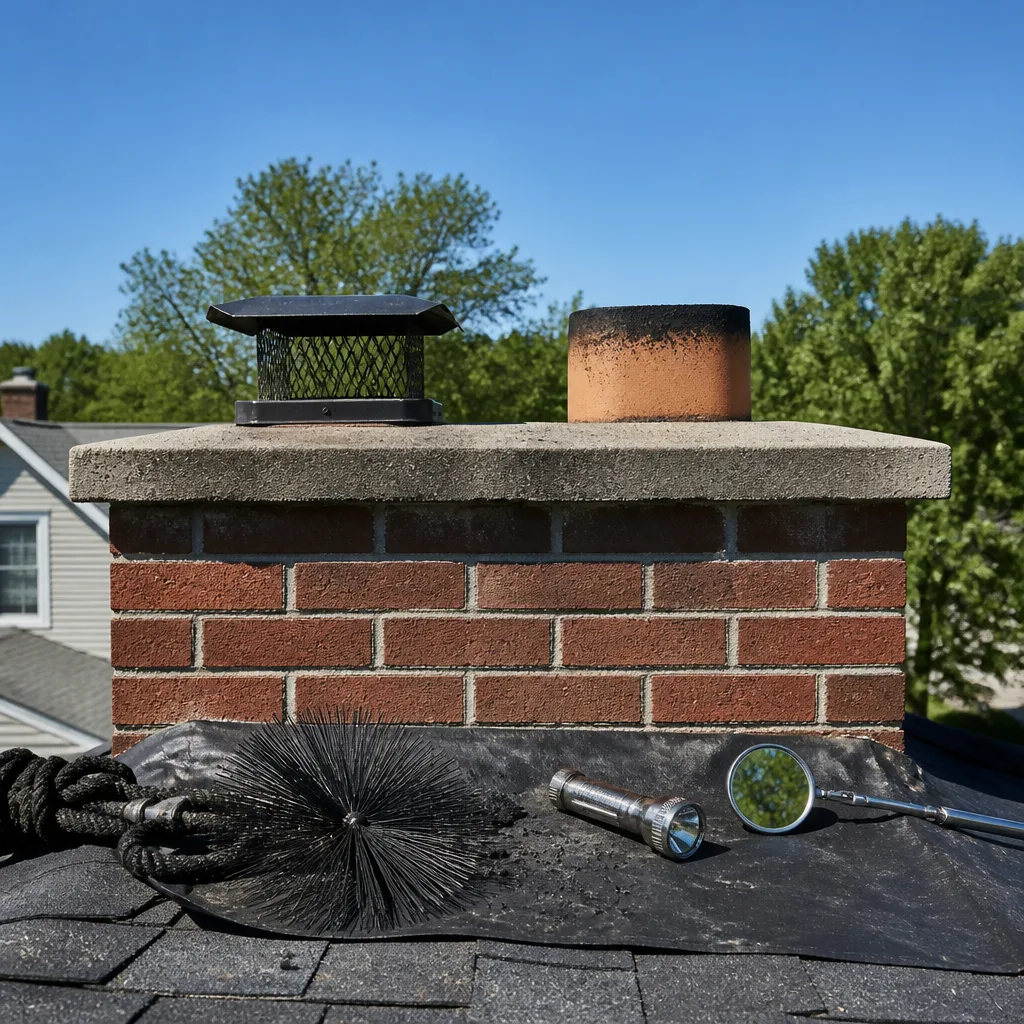 Sweep & inspection
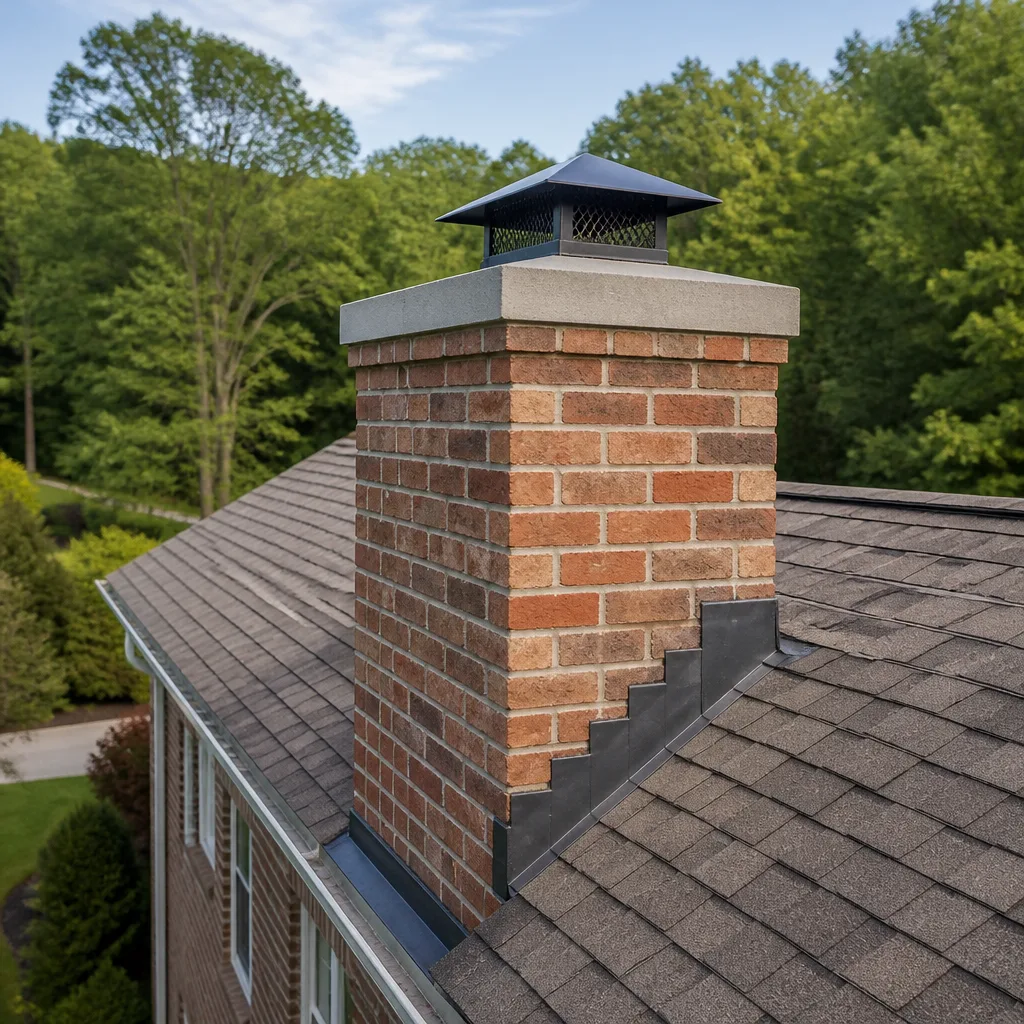 Caps & crowns
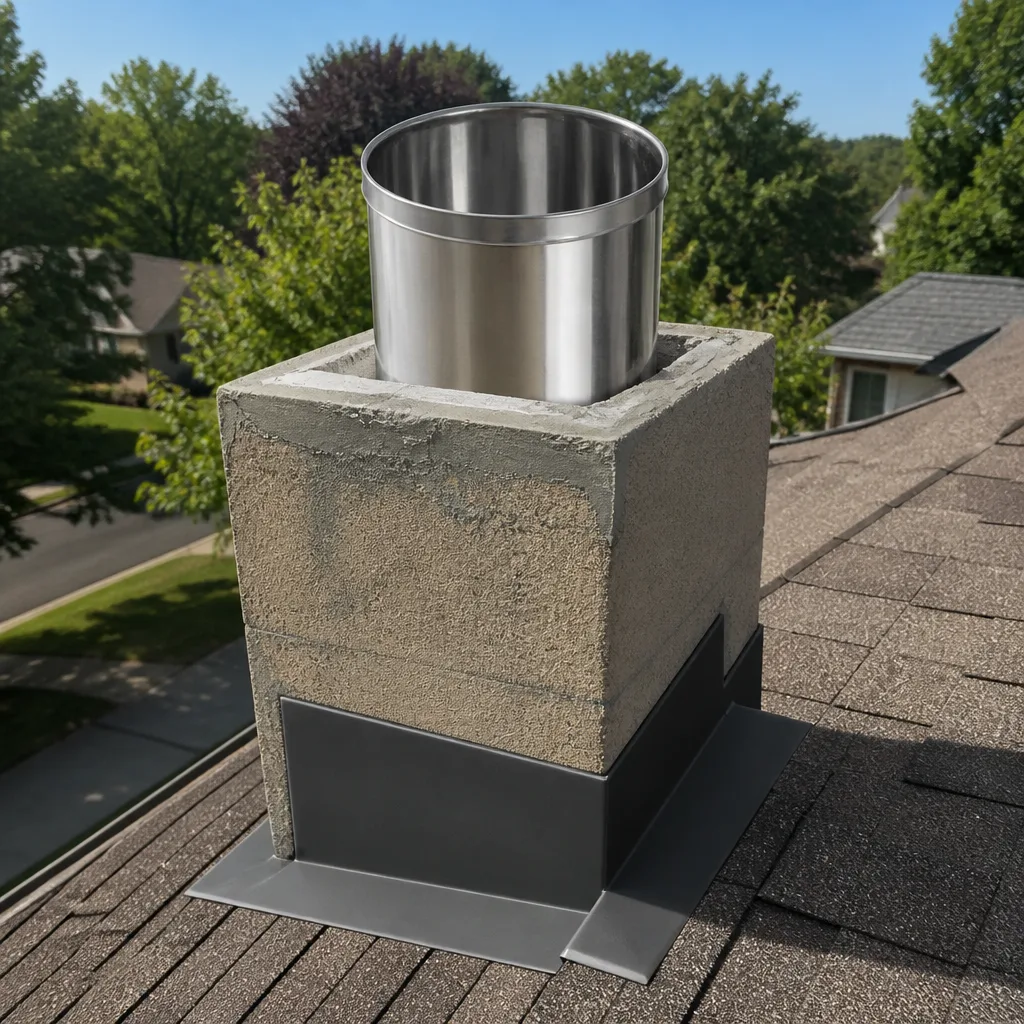 Flue relining
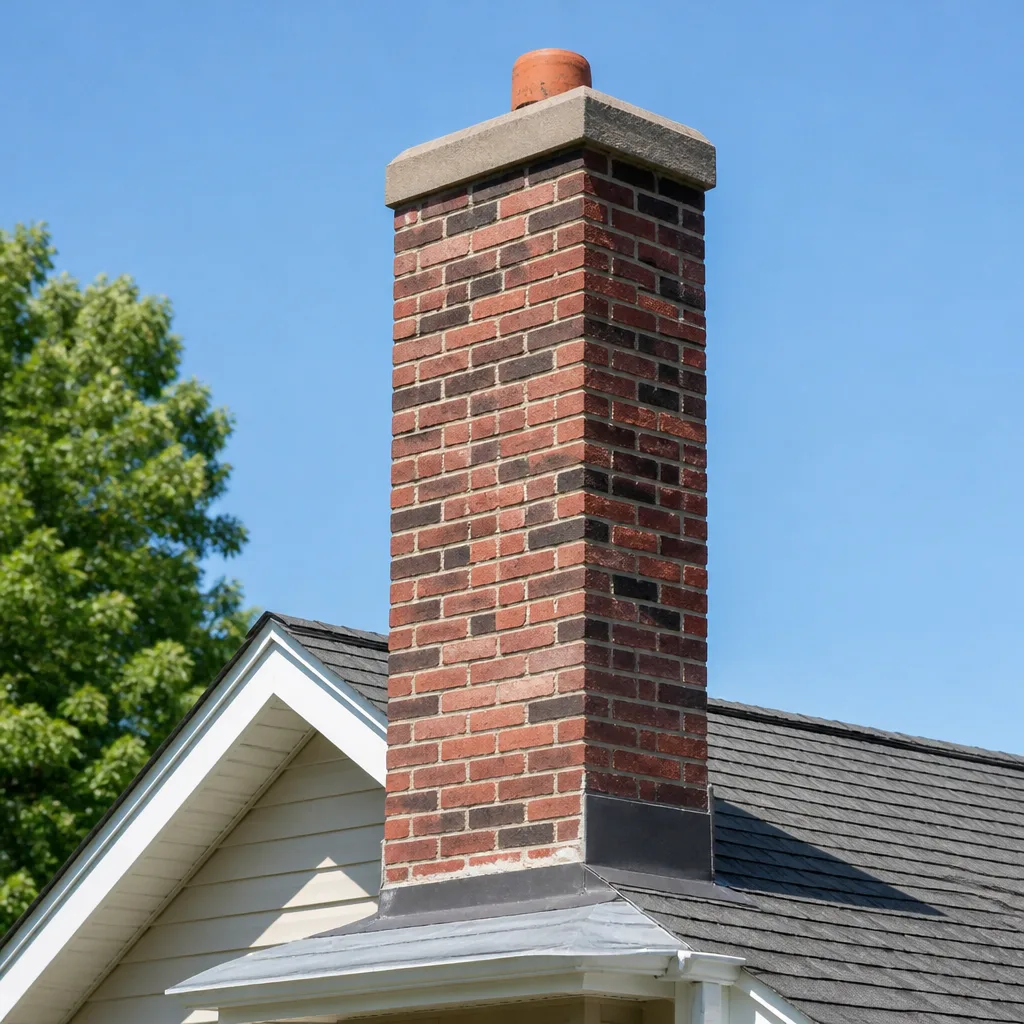 Masonry repair
 Gas fireplace service
Level 1 sweep and inspection to the NFPA 211 annual standard - flue, crown, cap, and flashing checked and photographed
Chimney sweep logs do not sweep chimneys. They loosen some creosote - which then falls where a brush and vacuum still have to collect it.
Choosing the Right Chimney Cleaning Brand: A Buyer’s Guide for Sunnyside
The brush rod that snaps inside a long flue run during a DIY clean is rarely a freak accident. It’s usually a material grade problem – the same reason professional sweeps don’t use the polypropylene rods sold at hardware stores. Homeowners shopping for chimney cleaning products in Sunnyside face a wall of packaging that all looks similar: brushes, creosote removers, sealants, caps. The differences between product tiers are real, measurable, and mostly explained only behind the counter. This guide breaks down what separates professional-grade chimney products from consumer versions, what specs actually matter in a Sunnyside row house or apartment building, and how to ask a contractor the questions that reveal whether the job will be done right.
Quick Answer
The right chimney cleaning brand depends on the job: professional sweeps choose brushes with tempered spring-steel or stiff nylon bristles and flexible rods sized to the flue, chemical creosote removers matched to the stage of creosote (Stage 1 dust, Stage 2 flaky glaze, Stage 3 hardened glaze), and liner products like HeatShield for resurfacing rather than replacement. In Sunnyside and the surrounding Queens neighborhoods, where older masonry chimneys and offset flue runs are common, product tier matters more than price – cheap brushes and low-grade sealants fail sooner and can leave creosote or gaps behind.
Styles & brands we work with
- Sweep & inspection
- Caps & crowns
- Flue relining
- Masonry repair
- Gas fireplace service
Table of Contents
- Why Brush and Rod Material Matters in Sunnyside Chimneys
- Chemical Creosote Removers: Three Tiers You Should Know
- Liner Repair and Sealant Products: Specs That Hold Up in NYC Weather
- Cap and Crown Materials: Lifespan Is a Spec, Not a Price
- How to Ask a Contractor Which Product Lines They Use
- Brands Professional Chimney Sweeps Actually Stock
- What DIY Products Can and Cannot Do
- Choosing a Chimney Sweep in Sunnyside: A Step-by-Step Approach
Why Brush and Rod Material Matters in Sunnyside Chimneys
Chimney brushes are not interchangeable. The bristle material and the rod system decide whether a brush scrapes creosote off the flue wall or skips over it, and whether the rod survives a long run through an offset. In Sunnyside’s older brick and brownstone buildings, flues often run 25 to 35 feet with one or two offsets, which is a punishing environment for cheap gear. Polypropylene rods flex and then fail at the joint. Professional sweeps use fiberglass or high-grade nylon rods with threaded or snap-lock couplings rated for the torque a real brush generates.
Bristle choice follows the flue material:
- Stiff wire brushes for masonry flues and heavy Stage 3 creosote – aggressive enough to break glaze, but only on clay tile or brick liners.
- Stiff nylon or poly brushes for stainless steel liners and factory-built chimney systems where wire can scratch the liner surface and shorten its life.
- Soft or medium poly brushes for pellet vent and the final pass on a masonry flue after the heavy work.
The brush head itself should be sized to the actual flue dimensions. An undersized brush slides down the middle of the flue and leaves creosote on the walls – what looks like a completed sweep leaves a fire hazard in place. In our experience in Sunnyside, the vast majority of problems we’re called to correct after a low-cost sweep come down to brush size and rod rigidity, not operator effort. The gear simply couldn’t do the job. That’s why we stock professional brush sets and match the brush to the flue on every visit rather than carrying one universal size. Our chimney sweep work starts with a flue measurement for exactly this reason.
Chemical Creosote Removers: Three Tiers You Should Know
Creosote is not one substance. It forms in three stages – sooty dust, flaky glaze, and hardened glazed creosote – and no single chemical product removes all three. What separates a good creosote remover from a bad one is whether it’s matched to the stage in your flue. Spray-on products, catalytic log treatments, and professional-applied compounds do different jobs, and the packaging rarely makes that clear.
- Spray-on creosote conditioners. These soften Stage 1 and light Stage 2 creosote so the brush can remove it in a single pass. They work well as a pre-sweep treatment on a chimney that’s been swept regularly. They are not a substitute for mechanical removal, and they do nothing to hardened glaze.
- Catalytic log treatments. These burn at a higher temperature and chemically alter the creosote inside the flue over repeated fires. They’re a maintenance tool, not a fix. A homeowner using them on a heavily glazed flue will see partial improvement at best, and the creosote that remains is where chimney fires start.
- Professional-applied creosote removal compounds. These are the only products that reliably attack Stage 3 glazed creosote, and they’re mixed and applied by the sweep to the specific condition of the flue. They typically require a return visit to sweep out the loosened material. This is where the product tier gap is widest – the consumer equivalent sold online is not the same chemistry or concentration.
For Sunnyside homeowners, the practical takeaway is that a “creosote remover” bought at a hardware store is a maintenance product, not a repair. If your fireplace has been used heavily without a sweep, the flue likely holds Stage 2 or Stage 3 creosote that needs the professional tier. Ask the sweep which creosote stage they found and which product tier they’re using, then confirm it in writing on the estimate. Our chimney repair work often begins with a creosote assessment for the same reason.
How to know which creosote stage you have
You can’t see inside your own flue, and you shouldn’t assume. Stage 1 wipes off on a finger like soot; Stage 2 is flaky and comes off in chips; Stage 3 is shiny and rock-hard and needs to be chipped off. A camera inspection confirms the stage before any product is chosen. That photo evidence is the number to rely on, not the sales copy on a box.
Liner Repair and Sealant Products: Specs That Hold Up in NYC Weather
The New York City climate is hard on masonry. Freeze-thaw cycles in January and February push moisture into mortar joints and flue tile, and summer humidity sits in the chimney for months. A liner sealant that works in a dry climate can crack within a season here. The specs to check are temperature rating, flexibility after cure, and resistance to acidic flue condensate from gas and oil appliances.
The product contractors trust most for resurfacing a deteriorating clay flue is HeatShield, a cast-in-place liner restoration system. HeatShield is applied as a cementitious compound that bonds to the interior of the existing flue and creates a new, smooth, insulated surface. It’s a real alternative to a full rebuild when the flue tile is cracked or spalling – and it’s a major reason the product tier conversation matters, because a sweep-only crew can’t offer it. They refer the job out or recommend replacement instead.
What to check on any liner sealant or restoration product:
- Temperature rating for the appliance type – a wood-burning fireplace runs hotter than a gas appliance, and the sealant must be rated for that peak.
- Flexibility after cure so the sealant moves with seasonal expansion and contraction rather than cracking.
- UL listing where the product claims to be a chimney lining system; without it, the product is not a listed liner.
- Application method – a cast-in-place compound applied by a trained technician performs differently than a brush-on coating.
We are HeatShield-qualified for flue resurfacing, which is a real distinction: it’s a specialized process with a specific application method, not a general sweep service. In Sunnyside, where many chimneys date to the mid-20th century or earlier and the original flue tiles have seen decades of heating cycles, HeatShield liner restoration is often the right repair before anyone starts talking about a rebuild. Ask about it before you assume you need one.
Cap and Crown Materials: Lifespan Is a Spec, Not a Price
A chimney cap and crown are two different products doing two different jobs, and the material choice decides whether they last ten years or thirty. The crown is the concrete or masonry top of the chimney that sheds water away from the flue. The cap is the metal hood that covers the flue opening and keeps rain, birds, and debris out. Both fail more often from material choice than from installation error.
Crown material tiers:
- Standard mortar crowns – cheapest, but prone to hairline cracks in freeze-thaw cycles. Common on older Sunnyside chimneys.
- Cast concrete crowns – more durable, and a well-formed crown with a proper overhang sheds water instead of pooling it.
- Prefabricated metal crowns and flashing systems – the long-life option in a climate with hard winters, and often the recommendation when a crown is repairable rather than rebuildable.
Cap material tiers are similar. Galvanized steel is the entry tier and rusts out well before a stainless cap does. Stainless steel caps last decades. Copper caps outlast both but cost more up front. The spec that matters beyond metal is the mesh: a cap with a coarse or flimsy mesh lets sparks out and animals in. Famco and Gelco make cap and venting components specified by chimney engineers, and those products show up on professionally installed systems for a reason – the mesh, the fasteners, and the base plate are built for exterior exposure, not just for looks.
When you get an estimate for a cap in Sunnyside, ask for the metal gauge and the mesh spec, not just a price. A cap that saves a few dollars at the bid and rusts out in a few winters isn’t a saving. We install caps and crowns with Famco and Gelco components, and we walk through the spec with the homeowner before the order is placed. Our chimney cap & crown page covers the installation details.
How to Ask a Contractor Which Product Lines They Use
The most useful question you can ask a chimney sweep in Sunnyside isn’t how much the sweep costs. It’s which product lines they stock and use. A sweep who can name the brands, the reasons, and the application conditions is telling you something about how seriously they take the work. A sweep who says “we use whatever’s good” or “we just clean” is telling you something too.
Here’s a five-question sequence that gets a useful answer:
- “Which brush and rod system do you use on a masonry flue, and which on a stainless liner?” A pro names both and explains the difference. A small operator often uses one set for everything.
- “What do you use for Stage 3 creosote, and do you come back for the removal pass?” The answer tells you whether they’re set up for the harder job.
- “Do you offer liner resurfacing, or do you refer that out?” HeatShield-qualified sweeps can quote the repair on the spot. Sweep-only crews can’t.
- “What brand do you use for caps and crowns, and can you show me the spec?” A pro can show you the gauge and mesh. A low-bid crew often can’t name the product.
- “Which brands do you work with that I can look up?” A sweep who works with DuraFlex, Olympia Chimney, HeatShield, and similar professional lines will tell you without hedging.
Notice that none of these questions are about price. Price comes after you know what’s actually being installed. In Sunnyside, where many chimneys sit on shared walls and rowhouse building lines, the product spec also affects how the job fits the building – a cap installed with the wrong fasteners is a leak waiting for the next nor’easter. A quick conversation about product lines saves a call-back and often saves money.
Brands Professional Chimney Sweeps Actually Stock
Professional chimney sweeps don’t stock brands for the label. They stock them because the product holds up to the job conditions and the manufacturer supports the trade with technical data and replacement components. In our work across Sunnyside, four names come up repeatedly, and knowing what each one is for helps you have a real conversation.
- DuraFlex – flexible stainless steel chimney liner systems for relining a flue, including the connectors and top plates that make the installation weather-tight. The brand matters because liner wall thickness and alloy choice affect how long the liner lasts.
- HeatShield – cast-in-place flue resurfacing for deteriorating clay flues. This is the product that lets a homeowner repair a flue interior without a full rebuild, and it’s not available through every sweep.
- Gelco and Famco – cap and venting components built for exterior exposure. The spec on these products is set for the job, and the parts fit together the way they’re supposed to.
- Olympia Chimney – chimney system components from dampers to decorative accessories, useful when a repair involves multiple parts of the system working together.
What all of these brands have in common is that the manufacturer publishes install specs that a professional can follow, and the parts are interchangeable within the system. That’s what makes a repair hold – the whole system is designed to work together, not the way a one-off part from a bin does. When we install a cap, a crown, or a liner, we use these product lines and we stand behind the installation. The same team that inspects the chimney performs the repair, and that’s the accountability most homeowners actually want.
Why one brand isn’t enough
No single product line covers sweeping, liner restoration, caps, crowns, and firebox repair. A sweep who stocks only one brand will recommend that brand for every job, whether it’s the right fit or not. We work with several because the system has multiple parts and the right product for a crown is rarely the right product for a flue liner. That full-scope coverage – from firebox to cap – is the difference between a sweep who cleans and a chimney professional who repairs.
What DIY Products Can and Cannot Do
DIY chimney cleaning products have a legitimate place, usually in maintenance between professional sweeps or as an emergency measure before a heating season. They have real limits, and most product packaging overstates what those limits are. Knowing where the line sits is the difference between maintenance and safety risk.
DIY products can do this:
- Remove Stage 1 sooty dust from an accessible firebox and smoke chamber opening with a hand brush.
- Soften light creosote ahead of a sweep with a spray-on conditioner, if the flue has been regularly maintained.
- Clean a removable cap mesh and clear bird nests from the top of a flue (with the right ladder safety).
DIY products cannot do this, and shouldn’t be attempted:
- Clean a 25 to 35-foot flue with offsets using consumer rods – the rods flex and break, and the bristles skip the creosote on the walls.
- Remove Stage 3 glazed creosote. The compounds required are professional-applied and require a trained application.
- Restore a cracked flue tile or install a liner. These are structural repairs, not cleaning tasks.
- Repair or install a crown with the correct overhang, flashing, and material spec.
The brush rod failure that starts many DIY stories is a material grade problem, but the consequence is a stuck rod in a flue or a damaged liner – and that’s a much bigger repair than the sweep would have been. In Sunnyside’s rowhouse chimneys, a broken rod often means a camera inspection and a repair, not just a retrieval.
Choosing a Chimney Sweep in Sunnyside: A Step-by-Step Approach
Choosing between chimney sweeps in Sunnyside comes down to a sequence: verify the scope, then check the product lines, then look at the estimate, then look at the inspection. Homeowners who run this sequence get a fair price and a safe result. Homeowners who call three crews and pick the lowest bid tend to call back a fourth time.
- Verify the scope. A full-system chimney company handles sweeping, cap and crown work, repair, inspection, and fireplace repair. A sweep-only crew refers out anything beyond cleaning, which means two contractors, two estimates, and no single accountability.
- Ask about product lines. Use the five questions above. The answer should name real brands and explain the application conditions.
- Ask for a camera inspection. Nothing should be recommended without photo evidence you can look at yourself. A professional shows you the flue interior and explains what’s visible.
- Get a written estimate with line items, the product spec, and the reason for each item. If the price doesn’t explain what’s being installed, ask until it does.
- Confirm what can wait. Not every finding needs the repair this season. A professional tells you what’s safe to defer and what isn’t, and puts it in writing.
- Book the sweep before heating season. In Sunnyside’s climate, the demand for sweeps climbs as the weather turns cold. Booking ahead gets you a better appointment window than a rush call during the first cold snap.
That’s the whole sequence, and none of it is complicated. It’s the same approach professional contractors use when they buy their own materials. For a starting point, the homepage for Chimney Sweep Sunnyside covers the service categories and how a book-and-sweep visit works. The important thing is to ask the questions before the appointment is booked, not after the estimate is in hand.
Common Mistakes to Avoid
- Assuming the cheapest sweep is the same job. The price gap usually reflects the brush and rod system, not the technician’s effort. A low bid often means universal-size brushes that skip the walls of the flue in a longer Sunnyside rowhouse chimney.
- Buying a creosote spray and treating it as a sweep. Spray-on conditioners soften light creosote; they don’t remove it. The brush pass is still needed, and Stage 3 glaze needs the professional tier.
- Choosing a cap by price instead of spec. A galvanized cap that costs less up front will rust out well before a stainless one does. Ask for the gauge and mesh spec before you compare prices.
- Assuming a full rebuild is the only liner fix. A cracked clay flue can often be resurfaced with HeatShield rather than rebuilt. Get a second opinion before you accept a rebuild quote.
- Skipping the camera inspection. Every recommendation should be backed by photo evidence you can see. A report without images is a report you can’t verify.
- Booking the sweep in the first cold week. In Sunnyside, appointments fill fastest right when residents first want a fire. Booking before the heating season gets a better window and time for any repairs to be completed.
- Hiring a sweep who can’t name the brands. A sweep who can’t tell you which liner product they install, or which cap brand they use, is telling you they don’t work with these product lines. That’s a real signal about the job.
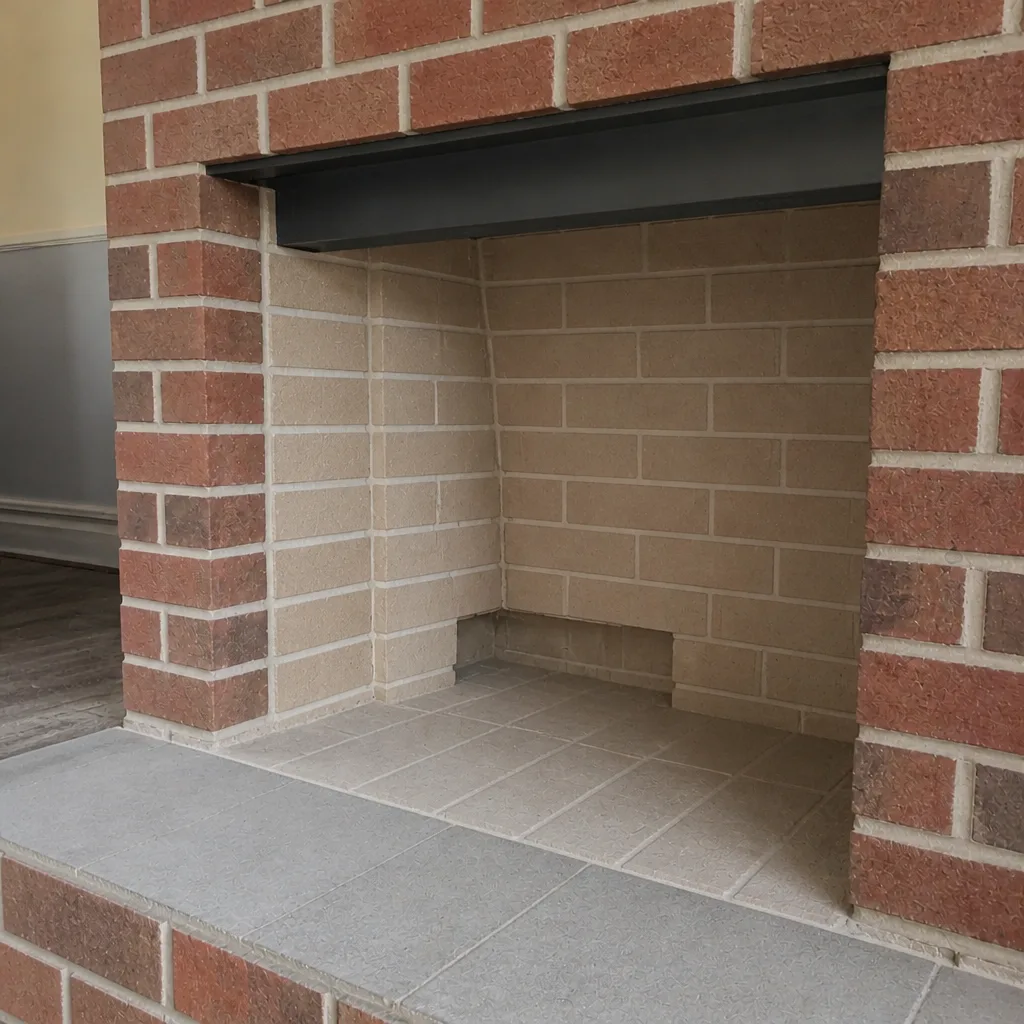
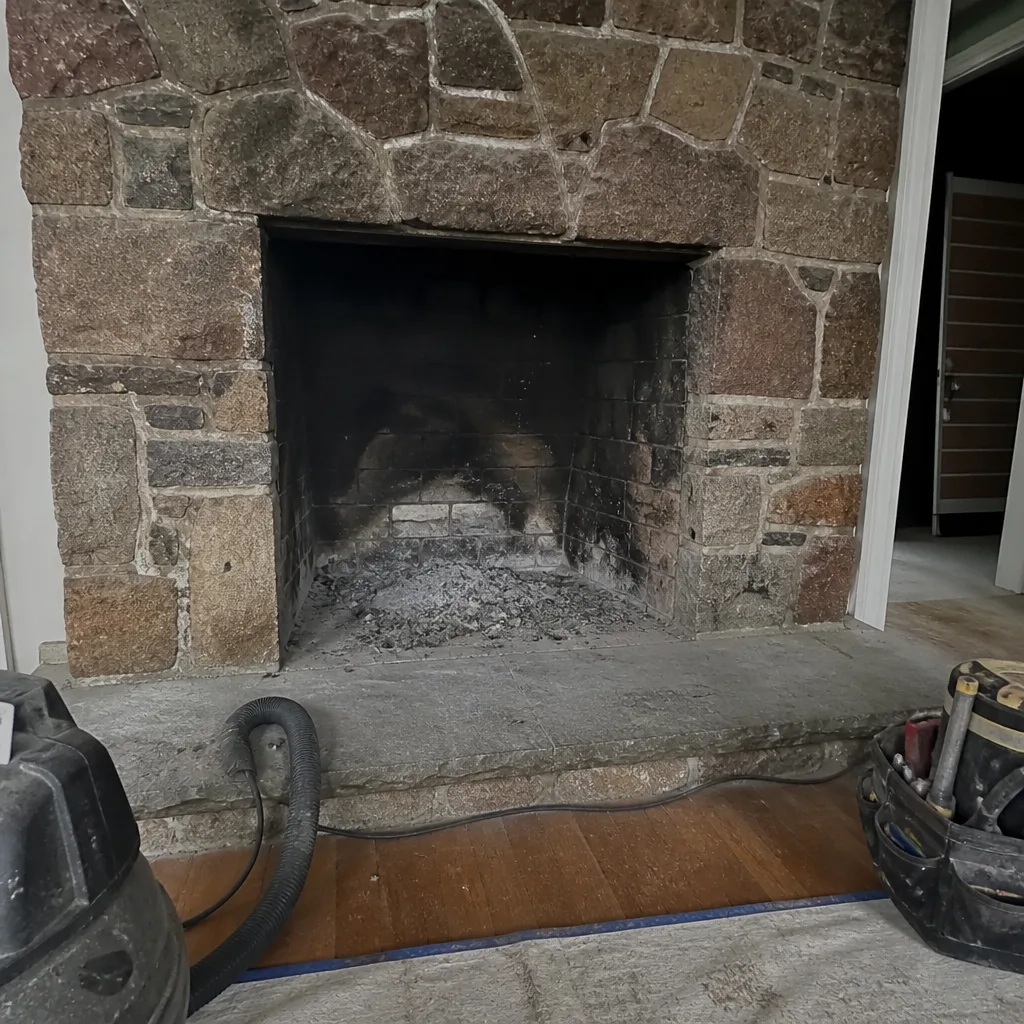
See the difference
 Before
 After
 Before
 After
 Before
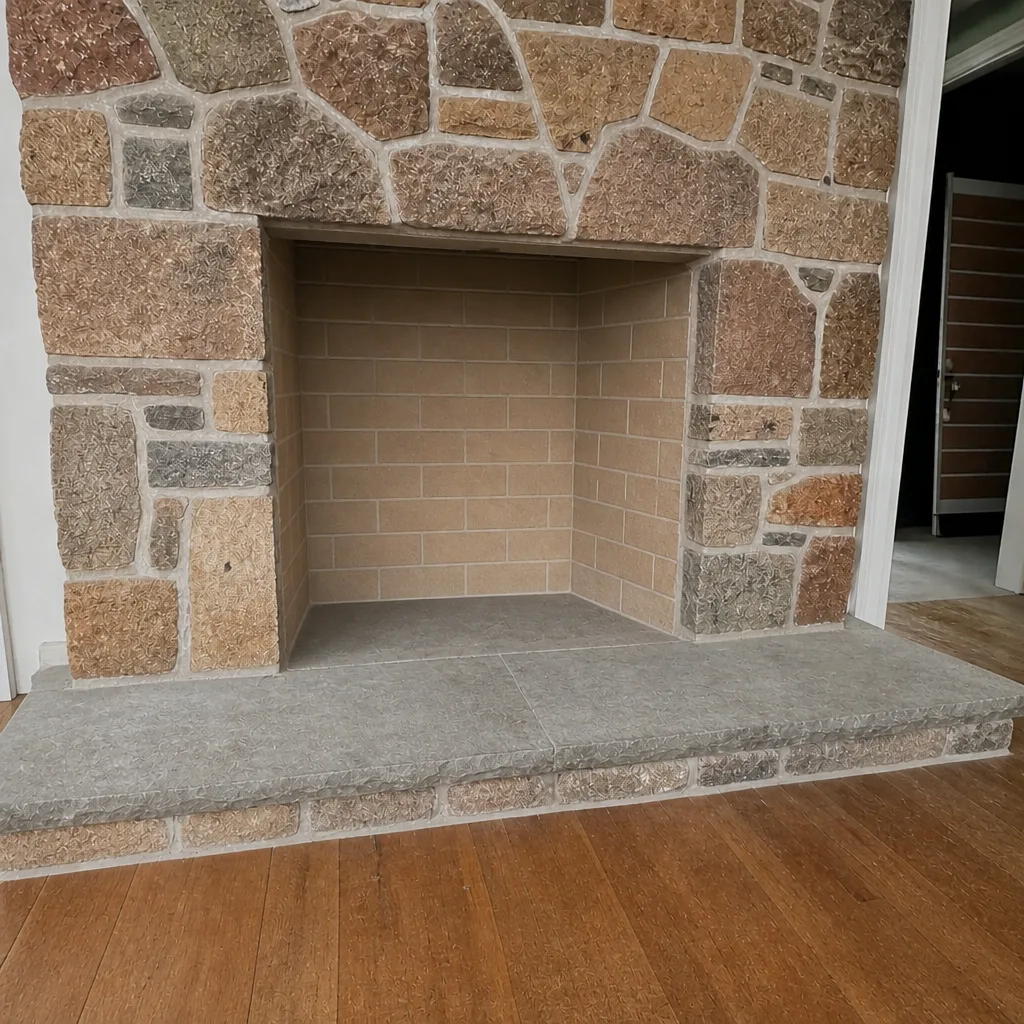 After
When to Call a Professional
Call a professional whenever the job involves the flue interior above the firebox, any chimney cap or crown work, or any suspected liner damage. These aren’t jobs where a consumer product substitutes for a professional, and the risk of getting it wrong is real. A glaze fire, a cracked flue tile, or a dislodged cap can lead to a chimney fire or carbon monoxide exposure, and the consequences are serious enough that the work should go to someone trained to inspect and repair it. The same is true if you can’t remember the last time the chimney was swept – more than a year of regular use means it’s due. A professional sweep checks the flue, inspects the cap, and can quote any repair on the spot. Chimney Sweep Sunnyside offers free estimates in Sunnyside – call (833) 472-1614. We answer 24/7. Fast dispatch from 7am to 7pm, Sunday through Friday.
Frequently Asked Questions
There’s no single best brand because there’s no single product – brushes, creosote removers, sealants, and caps are different product categories, and each has its own professional tier. For masonry flues in Sunnyside’s older rowhouses, the right combination is a professional brush and rod system sized to the flue, a creosote treatment matched to the stage found by camera inspection, and a cap and crown installed with Famco or Gelco components. For liner repairs, HeatShield is the product line most often recommended for resurfacing rather than replacement. The right answer depends on what the inspection finds, not on a label.
A chimney should be swept at least once a year during active use, and more often if the fireplace is used heavily or if the flue shows creosote buildup at the inspection. In Sunnyside’s climate, most homeowners book a sweep before the heating season and then a check in spring if the fireplace sees heavy winter use. The one-year rule is a floor, not a ceiling – a chimney with Stage 2 or Stage 3 creosote needs attention sooner. Call (833) 472-1614 for an exact quote – estimates are free.
Many liner problems can be resurfaced with HeatShield rather than replaced, especially when the flue tile is cracked or spalling but still structurally sound. The inspection determines which option applies – if the flue tile is intact and the issue is interior deterioration, resurfacing is often the right repair. A full rebuild is the right call only when the flue structure itself is compromised. Ask any sweep to show you the camera evidence before accepting a rebuild quote. Call (833) 472-1614 for an exact quote – estimates are free.
Creosote accumulates in the flue with every fire, and at Stage 2 or Stage 3 it becomes fuel for a chimney fire. A chimney fire can crack the flue tile, damage the masonry, and in the worst case spread past the chimney into the building structure. Skipping the sweep also lets carbon monoxide from a blocked or damaged flue back up into the home. Neither risk is common enough to frighten anyone, but both are real, and a yearly sweep is the simplest way to catch problems before they get expensive. Call (833) 472-1614 for an exact quote – estimates are free.
Ask which brands they use and which products they use for which job. A professional sweep can name the brush system, the creosote treatment, the liner restoration product, and the cap brand, and can explain the reason for each. A sweep who can’t name the products, or who uses one brush for every flue, is telling you they’re not set up for the full job. Ask what they stock and how they size a brush to a flue – a straight answer is the best sign of a professional.
Yes, for light maintenance only. A spray-on creosote conditioner and a hand brush on the firebox are reasonable between sweeps. Consumer products cannot replace the brush pass on a long flue, remove Stage 3 glaze, or repair a crown or liner, and those jobs need a professional. If your flue hasn’t been swept in over a year, the consumer products come after the sweep, not instead of it. Call (833) 472-1614 for an exact quote – estimates are free.
The Bottom Line
The chimney cleaning brands that matter are the ones a professional sweep can name, explain, and stand behind. Brush and rod material decides whether the flue gets cleaned or just looks like it. The creosote remover tier decides whether the job fixes the problem or defers it. Liner restoration and cap material decide whether the repair lasts a decade or falls apart in a freeze-thaw winter. In Sunnyside, these distinctions matter more than the price on the bid, because the building stock is old and the climate is hard on masonry. Ask the sweep what they use, then ask why. The answer tells you as much as the estimate. Our technicians have up to 13 years of experience and we handle the full system – firebox to cap – with HeatShield, DuraFlex, Gelco, Olympia Chimney, and Famco product lines. Call (833) 472-1614 for a free estimate. We answer 24/7. Fast dispatch from 7am to 7pm, Sunday through Friday.
Written by the team at Chimney Sweep Sunnyside.