
Last updated November 25, 2026
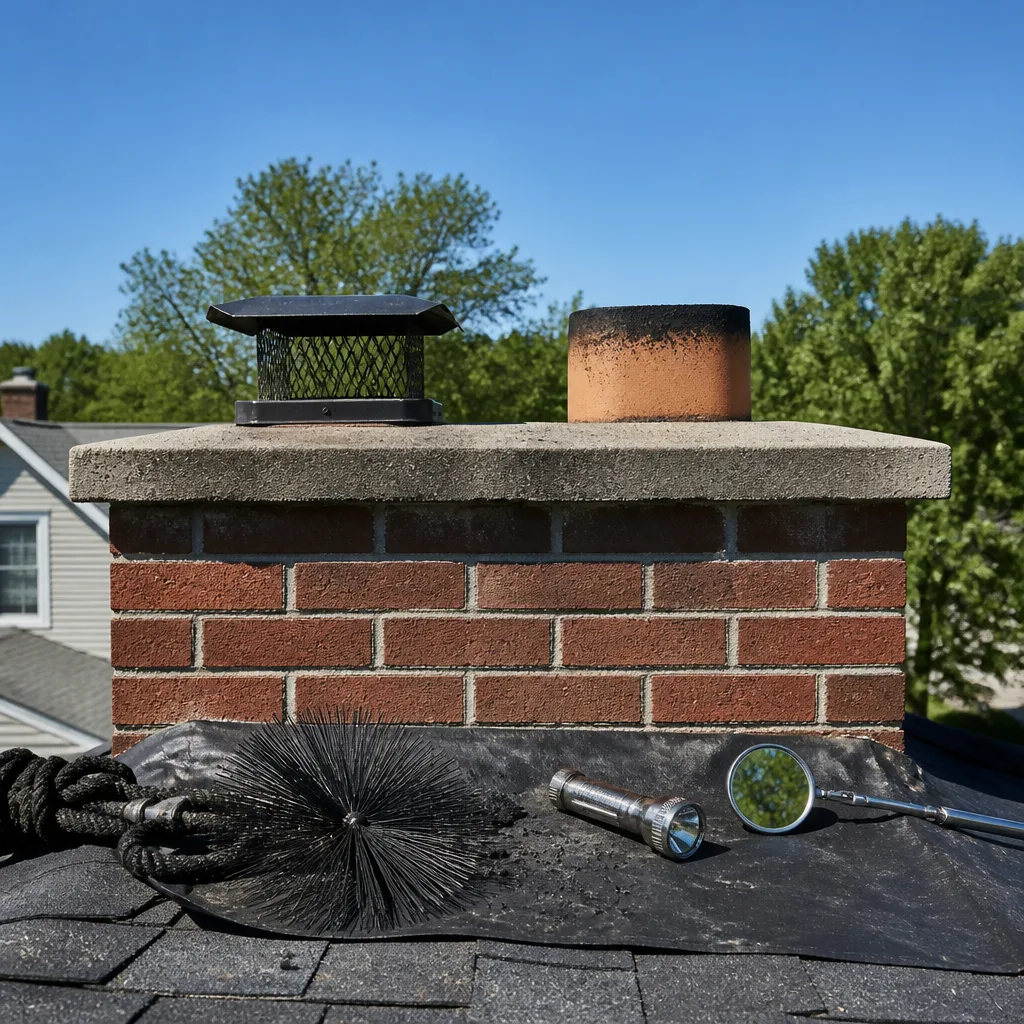 Sweep & inspection
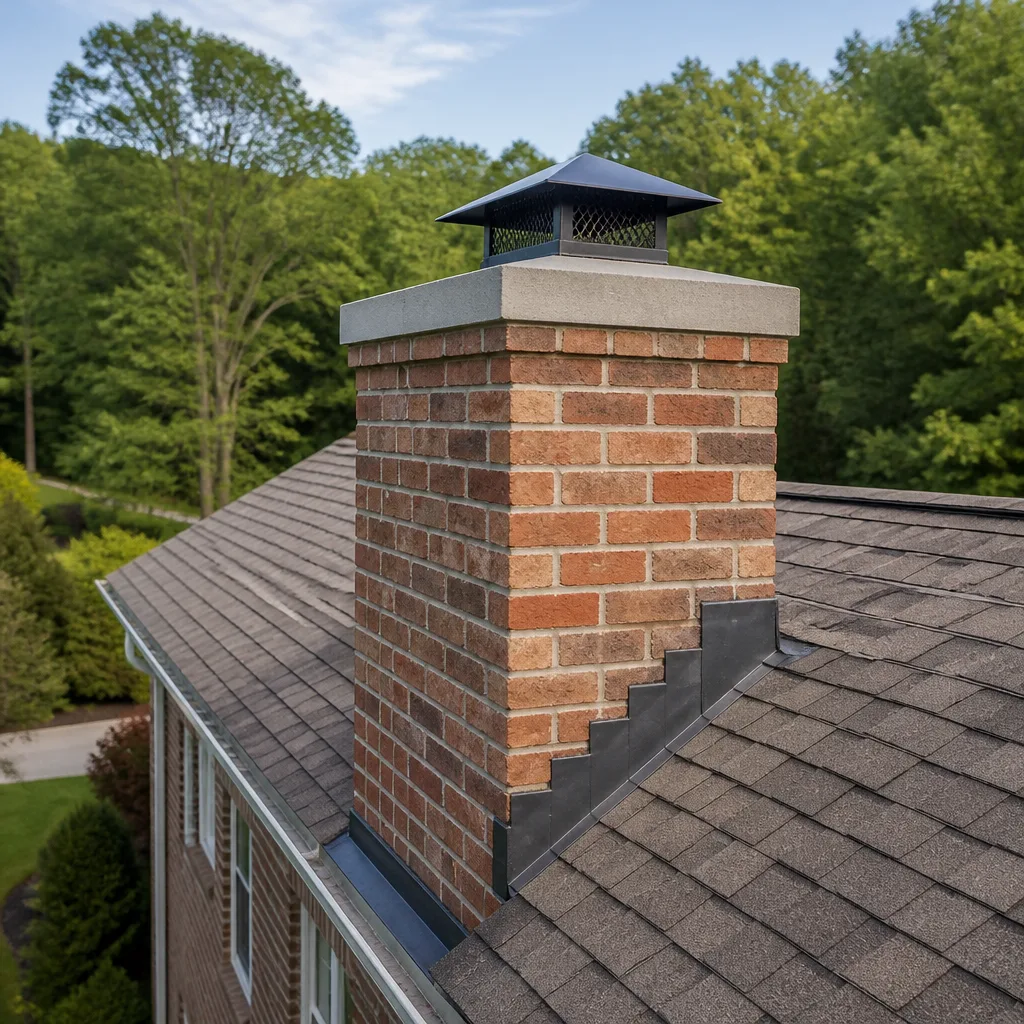 Caps & crowns
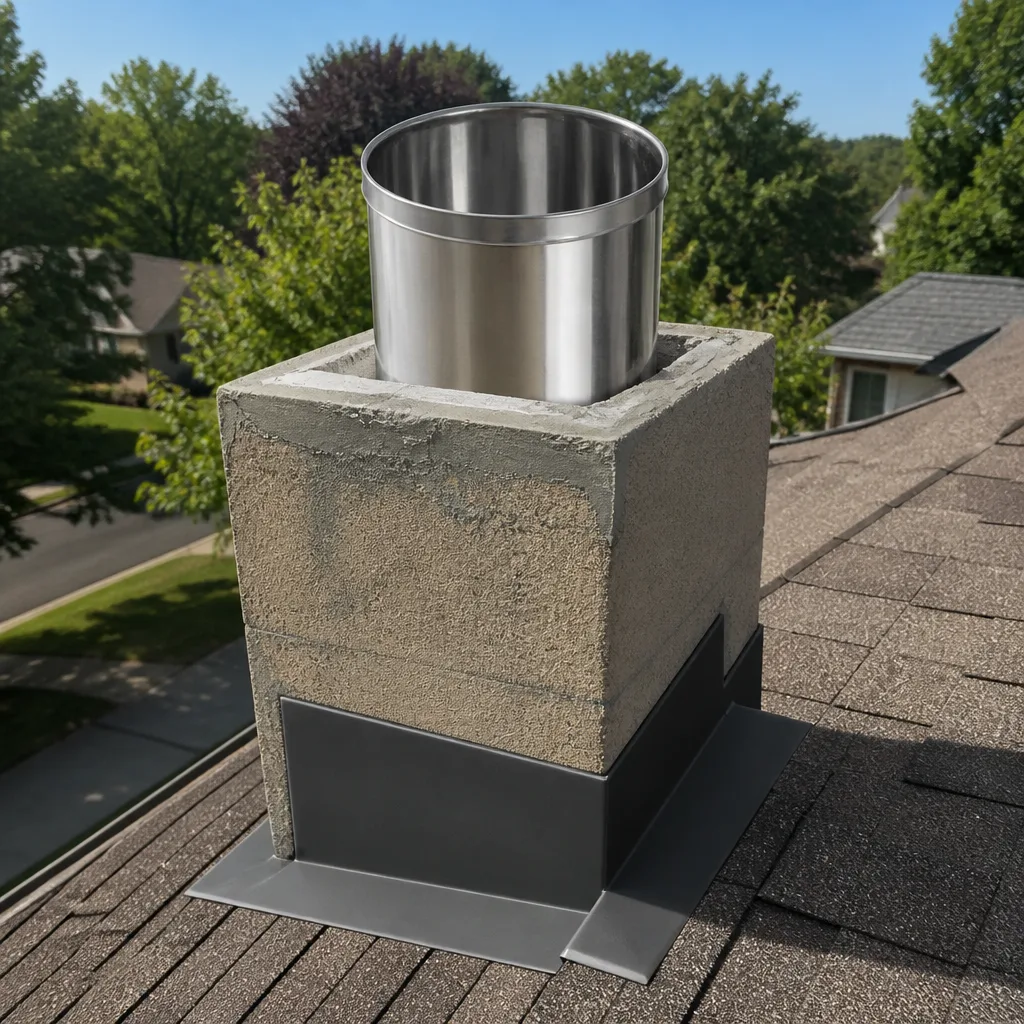 Flue relining
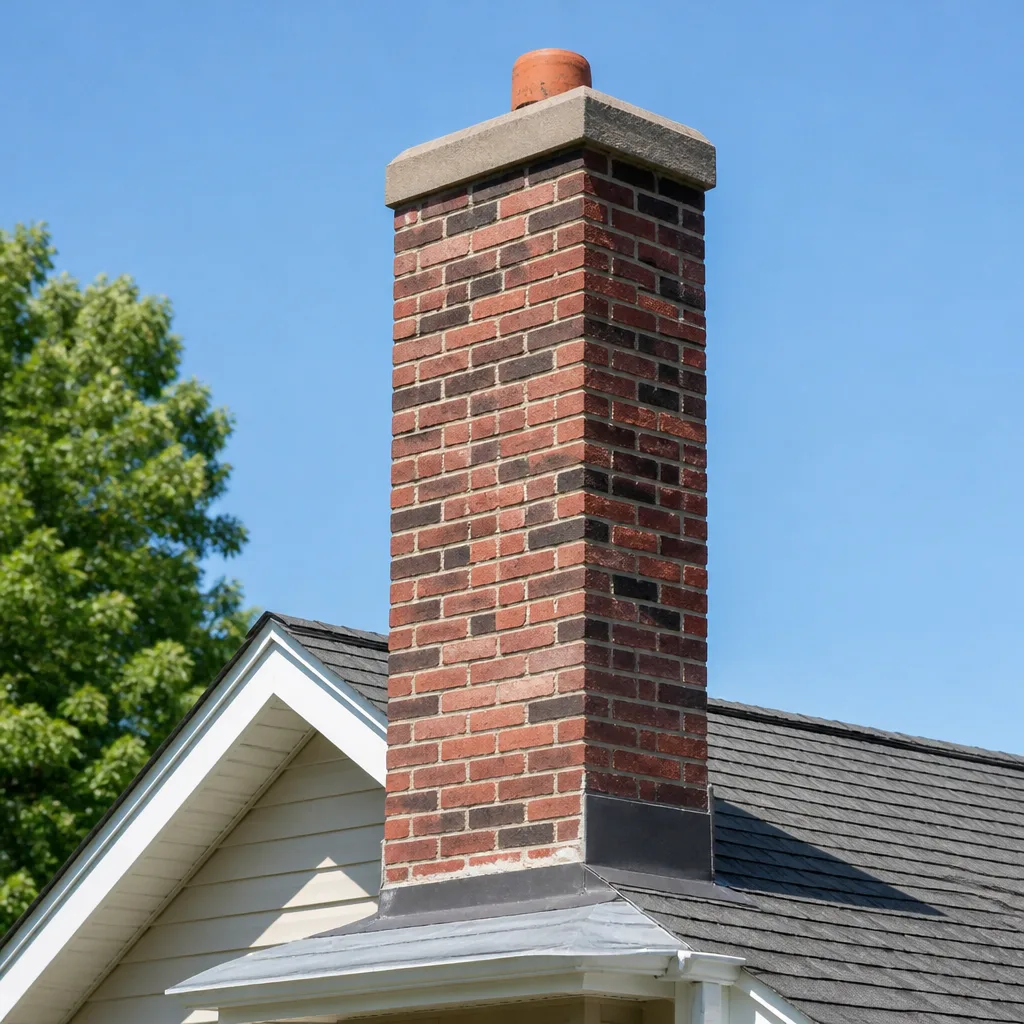 Masonry repair
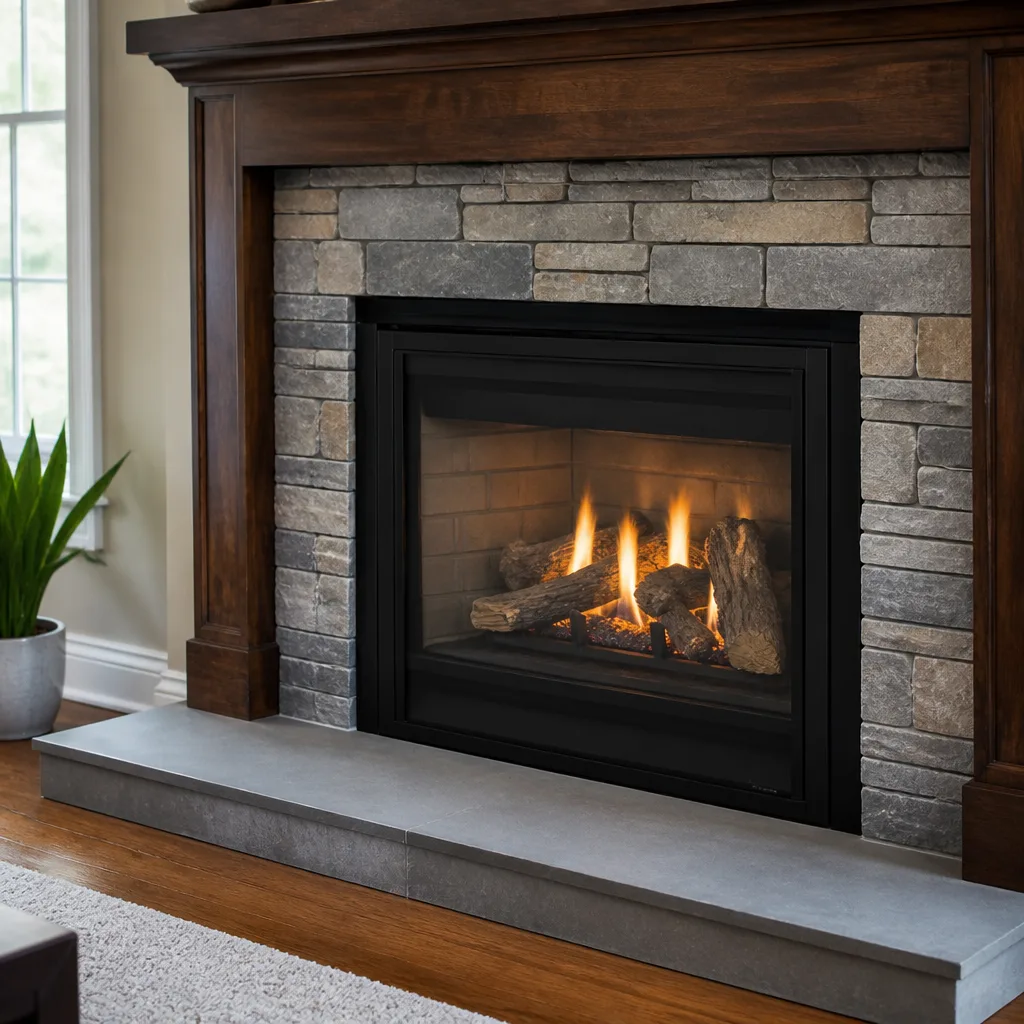 Gas fireplace service
Level 1 sweep and inspection to the NFPA 211 annual standard - flue, crown, cap, and flashing checked and photographed
Chimney sweep logs do not sweep chimneys. They loosen some creosote - which then falls where a brush and vacuum still have to collect it.
Chimney Cleaning Warning Signs: A Sunnyside Homeowner’s Reference Guide
A chimney that smells like a campfire when it hasn’t been used in weeks isn’t a nuisance problem. It’s evidence that the barrier between your flue and your living space has been compromised somewhere. Most homeowners read that smell as “the chimney needs cleaning” and move on. The smell is actually a message about pressure, gaskets, or masonry, and it’s the kind of quiet signal that shows up long before smoke rolls into a room or a fire department gets called.
This guide is about those quiet signals. The ones that don’t announce themselves. The ones experienced technicians learn to look for because the loud symptoms come too late. Sunnyside’s rowhouses and multi-story homes have specific patterns worth understanding, and we’ve spent a lot of time inside them.
Quick Answer
The most important chimney cleaning warning signs in a Sunnyside home are persistent smoky odors when the fireplace is idle, white chalky staining on exterior brick, popping or cracking sounds during and after a fire, lazy smoke that drifts instead of drafting, and combustion smells from a gas fireplace that should be burning clean. Any one of these is a reason to book an inspection, not a reason to panic. The signs that matter most are structural, not cosmetic, and a camera inspection tells you which is which.
Styles & brands we work with
- Sweep & inspection
- Caps & crowns
- Flue relining
- Masonry repair
- Gas fireplace service
Table of Contents
- What Lazy Smoke and Slow Draft Actually Mean
- Why White Staining on Exterior Masonry Is a Water Problem
- The Sounds That Signal Liner Expansion Stress
- Incomplete Combustion in Gas Fireplaces
- What Second-Floor and Attic Odors Tell You
- Creosote: The Sign You Can’t See from the Living Room
- Seasonal Timing: When Sunnyside Chimneys Fail
- Common Mistakes to Avoid
- When to Call a Professional
What Lazy Smoke and Slow Draft Actually Mean
Smoke that curls out of the firebox instead of rising up the flue is called lazy smoke, and it means the chimney isn’t pulling. The question is why. Some causes are airflow problems you can address. Others are structural and won’t get better on their own.
Start by ruling out the simple things. A cold flue on a mild morning struggles to establish draft because there’s no temperature difference to drive the air column upward. That’s normal and self-correcting once the fire warms the flue. A closed or partially closed damper, a negative-pressure house, an exhaust fan running in the kitchen or bathroom, or a firebox that’s too small to heat the flue can all cause lazy smoke without anything being wrong with the chimney itself.
The structural causes are different. In our experience, lazy smoke that persists after the fire has been burning for twenty minutes points to one of these:
- A flue that’s too large for the fireplace opening. Oversized flues lose heat faster than they can generate draft, and smoke stalls in the firebox.
- A blocked or partially blocked flue. Nesting material, a collapsed liner section, or heavy creosote glaze narrows the passage enough to slow the column.
- A cracked or displaced flue tile. Air leaks into the flue from outside the chimney, disrupting the pressure the draft depends on.
- An improperly sized chimney cap. Caps that are too tight, or missing screens, can impede exhaust and let wind-driven downdrafts push smoke back into the room.
The distinction matters because airflow problems are often solvable by a homeowner (open a window, crack the damper, run the fire hotter), while structural causes need eyes on the inside of the flue. A camera inspection is the only reliable way to tell them apart. If smoke is backing up even when the fire is burning well, that’s your cue to schedule a chimney sweep and inspection rather than keep experimenting with firewood.
Why White Staining on Exterior Masonry Is a Water Problem
That chalky white haze on the outside of your brick chimney is called efflorescence, and it is not a cosmetic issue. It’s the visible signature of water moving through masonry. Which means the real question isn’t how to clean it off. The real question is where the water is getting in.
Brick and mortar are porous. When water soaks into masonry and then evaporates, it carries dissolved salts to the surface, where they crystallize as white powder. One light bloom after a wet stretch of weather is normal. Repeated or heavy efflorescence, especially on one side of the chimney or concentrated near the crown, tells you moisture is entering the chimney body and staying there long enough to move those salts.
The ugly consequences follow in order. First, recurring staining. Then spalling, where the brick face flakes off because the water inside is freezing and expanding. Then mortar joint failure, which lets in more water. Then, eventually, structural deterioration serious enough to require significant repair.
Where the water usually enters
- The crown. The concrete slab at the top of the chimney. Cracks in the crown are the most common entry point, and they’re invisible from the ground.
- The cap and flashing. A missing or undersized chimney cap lets rain straight into the flue. Flashing that’s pulled away from the roof lets water run behind the brick.
- Failed mortar joints. Tuckpointing that’s worn away creates channels for water to enter the brick body directly.
- A solid-fuel flue with no cap at all. Open tops collect water on every storm.
In Sunnyside, the freeze-thaw cycle does a good chunk of the damage. Water that sits in masonry through a cold snap expands and works at the brick from the inside. If you notice white staining on the exterior of your chimney, the right response is an inspection of the crown, cap, and mortar joints, not a pressure wash. Our chimney cap & crown work addresses these entry points directly, and we install with Gelco, Famco, and Olympia Chimney components chosen for the specific chimney.
The Sounds That Signal Liner Expansion Stress
Your chimney makes noise. Some of it is normal. Some of it is a liner telling you it’s under stress. The trick is knowing the difference.
Normal chimney sounds include a low whooshing during a hot fire (air moving up the flue), light ticking as metal components heat and cool, and the general crackle of burning wood. Those are expected. They repeat every fire and they don’t change.
The concerning sounds are new and reproducible. Here’s what to listen for:
- Popping or snapping during the fire. Often creosote igniting in the flue. Small pops are a warning. Sustained crackling or a low roar from inside the chimney is a chimney fire and needs the fire department, not a phone call tomorrow.
- Sharp cracking after the fire is out. Metal flue liners expand when hot and contract when cool. A liner that’s cracked, warped, or improperly supported can flex beyond its tolerance and crack audibly during cooldown.
- Settling or shifting sounds when the chimney isn’t in use. Not normal. This can be masonry, crown material, or a cap shifting, and it should be inspected.
- Whistling or howling at the top of the flue. Usually wind interacting with an improperly sized or damaged cap, or an obstruction in the flue.
In our experience, a metal liner that’s stressed will also show the tell in draft. The fire may burn unevenly, the smoke may drift at the top of the firebox, and the draft may get worse over a season. That combination (new sound plus weakening draft) is the pattern worth acting on. A camera inspection of a DuraFlex or similar liner shows whether the sections are intact or whether there’s been stress at a joint. If the liner is intact but the flue interior behind it is deteriorating, HeatShield liner restoration may be able to resurface the interior without a full rebuild. Ask before assuming the worst.
Incomplete Combustion in Gas Fireplaces
A gas fireplace that burns clean produces almost no visible exhaust, no strong odor, and a steady blue-and-yellow flame. Those are the signs of complete combustion. The problem is that a gas fireplace failing in early ways can mimic the same look, especially in cooler weather when the visible flame is the only thing a homeowner is watching.
Incomplete combustion happens when the burner doesn’t get enough air, the jets are clogged, or the logs have shifted enough to interrupt the flame pattern. The result isn’t dramatic. The flame may look mostly fine but show a hint of orange or yellow where it should be blue. There may be a faint burning smell, a headache that shows up on evenings after the fireplace has been running, or a smoky odor in the room even when the fire is off.
What to check (not fix) on a gas fireplace
- Flame color. A healthy gas flame is mostly blue with maybe some yellow at the tips. A mostly yellow or orange flame is a sign of incomplete combustion and worth a service call.
- Soot on the logs or glass. Soot accumulation on a vented gas fireplace means the flame is not burning clean.
- The smell test. A faint gas smell at startup can be normal. A persistent smell, or a smell that lingers after the unit is off, is a call-now situation. Gas is not something to investigate on your own.
- Headaches, dizziness, or nausea on fireplace evenings. These are potential carbon monoxide symptoms. Open windows, leave the space, and call a professional before using the fireplace again.
- Damaged or disconnected venting. On a vented gas unit, any gap in the vent system lets exhaust into the house. This is a safety matter, not a maintenance one.
The rule with gas is simple. If you smell gas or suspect a carbon monoxide problem, get out and call the utility or emergency services. For anything else, a chimney inspection is the right first step, because it covers both the firebox and the venting system these units rely on. We see the full system, so a gas fireplace check includes the flue above it, not just the firebox.
What Second-Floor and Attic Odors Tell You
Sunnyside has a lot of multi-story rowhouses with chimneys that pass through second floors and into shared attic spaces. That geometry matters, because where the smell shows up tells you where the problem is.
A smoky smell in the living room near the fireplace is one thing. A smoky smell on the second floor, in a bedroom, or up in the attic is different. It means the flue gas or the flue odor is escaping at a level above the firebox, which points to a breach in the flue barrier somewhere between your ceiling and the roof line.
Here’s the pattern we see most often in Sunnyside rowhouses:
- Odor strongest on the second floor, weakest at the fireplace. A breach in the flue above the firebox, often where a flue tile has cracked or the mortar around it has failed.
- Odor strongest in the attic or at the top of a stairwell. A failure in the flue at the roof line, a missing or loose crown, or a cap that’s pulled away and letting wind-driven air back into the upper house.
- Odor that appears when a bathroom exhaust fan or second-floor dryer runs. Negative pressure in the upper house is pulling air down a compromised flue. The smell is the symptom, but the cause is pressure.
- Odor only after rain. Water entry somewhere above, mixing with creosote deposits or masonry dust inside the flue.
This is the category of warning sign most often missed, because the homeowner isn’t smelling the chimney itself. They’re smelling the second floor. In our experience, upper-floor odors that repeat are a reason to schedule a full-system inspection, not just a sweep. The inspection traces the entire flue, and the camera tells us where the breach is. From there, we can quote a repair on the same visit, whether it’s chimney repair on the masonry, a cap or crown fix, or a liner solution. Same team, same standard, no referral to a separate contractor.
Creosote: The Sign You Can’t See from the Living Room
Creosote is the byproduct of incomplete wood combustion, and it builds up on flue walls in stages. Stage 1 is a light soot that brushes off easily. Stage 2 is a flaky, crusty deposit. Stage 3 is glazed, hardened creosote that bonds to the flue surface and requires professional removal with methods suited to the deposit type.
The reason this matters for a warning signs guide is that creosote by itself is invisible from inside your house. You can’t see up the flue from the firebox, and the deposits don’t announce themselves. The signs you can actually observe are indirect:
- Smoke starts puffing into the room earlier in the fire than it used to.
- The fire burns less hot than it once did.
- You get a stronger smoky smell after fires than you used to.
- The creosote smell lingers in the room on humid days.
- You notice a light or heavy flaky deposit on the damper or the throat of the firebox (visible deposits near the throat are often the only sign accessible to a homeowner).
Stage 3 glazed creosote is where chimney fires start. It’s not a scare tactic to say that. You can’t clean stage 3 with a standard brush and a routine sweep. It needs chemical treatment or rotary cleaning. This is why “I had it swept last year” doesn’t automatically mean it’s clean. Whether the sweep used the right method for the deposit type matters, and whether the person doing the work is trained in liner damage avoidance matters too.
If you don’t know your sweep history, the safe default is a professional inspection, not a sweep by the cheapest bidder. Our technicians have up to 13 years of experience and the sweep fee is set by a written estimate before we book.
Seasonal Timing: When Sunnyside Chimneys Fail
Chimneys don’t fail on a schedule. They fail based on temperature swings, moisture, and how much use they get. In Sunnyside, the pattern over the year roughly follows this rhythm.
Early fall. Chimneys come out of the wet months. This is when efflorescence and crown cracks tend to be most visible. Draft problems that were mild in summer become obvious on the first cold-morning fire. Good time for a sweep and inspection before the burning season gets going.
Mid-winter. Peak burning months. Creosote builds up fastest now, and the creosote odor gets more noticeable. Chilly, damp days make lazy smoke more common, not because the chimney got worse but because the draft depends on the temperature difference between the flue and the outside air.
Late winter and spring. The freeze-thaw cycle is the real enemy. Water that got into masonry during the winter expands and works at the brick. If you had a small hairline crack in the crown in October, you may have a bigger one by April. Chimney fires from late-season creosote build-up happen too, because the deposits have been accumulating all winter.
Summer. Chimneys don’t get used much, but they still take on water. Odor that shows up in hot weather is often creosote combined with moisture from the humidity, not a fresh problem.
A good rule of thumb for a Sunnyside home is a sweep and inspection in the fall before the first fire, and a visual look at the exterior in early spring after the last burn. If you’ve noticed any of the signs discussed in this guide, don’t wait for the calendar. Book an inspection now and let the camera tell you what’s actually happening.
Common Mistakes to Avoid
- Treating the smoky smell as a “chimney cleaning” call instead of an inspection call. A smell that never touches the fireplace means the chimney is telling you something structural. A sweep alone won’t diagnose that. Book the full system check.
- Patching efflorescence with a fresh coat of paint. Paint traps moisture inside the brick and accelerates spalling. Address the water source (crown, cap, flashing, mortar) first.
- Assuming the fireplace is fine because it “looks clean” inside. Creosote lives up the flue, not at the firebox. The visible state of the firebox tells you very little about the flue.
- Using a gas fireplace for heat without a service history. Gas fireplaces can produce carbon monoxide quietly. If you don’t know when the unit or its venting was last checked, that’s the call.
- Hiring the cheapest sweep and calling it done. A low-bid sweep may skip the camera inspection, miss a liner failure, and leave you with a report and no next step. We work with professional brands including DuraFlex, HeatShield, Gelco, and Olympia Chimney, and we can quote the repair on the same visit.
- Ignoring sounds after the fire is out. Sharp cracking during cooldown is a liner telling you it’s under stress. It won’t fix itself and it can get worse before it gets cheaper.
- Undersizing or skipping the chimney cap in a damp climate. Rain entering the flue accelerates both creosote odor and liner corrosion. A correctly fitted cap and crown are part of a working chimney system, not a cosmetic extra.
When to Call a Professional
Call a professional chimney company if any of the following is true: you smell a campfire odor in the house when the fireplace is not in use, you see white staining on the exterior of the chimney, you hear popping, cracking, or settling sounds that weren’t there before, your smoke lazily rolls out of the firebox after the first twenty minutes of a fire, your gas fireplace has a yellow flame or a smoky smell, or you have smoky odors on the second floor or in the attic of your rowhouse. If you don’t know when the chimney was last inspected, that counts too. We handle the full chimney system, from the firebox to the cap, which means the same team that inspects the chimney can perform and stand behind any repair. Chimney Sweep Sunnyside offers free estimates in Sunnyside, and we can quote the repair on the same visit. Call (833) 472-1614 and we’ll book your sweep or inspection.
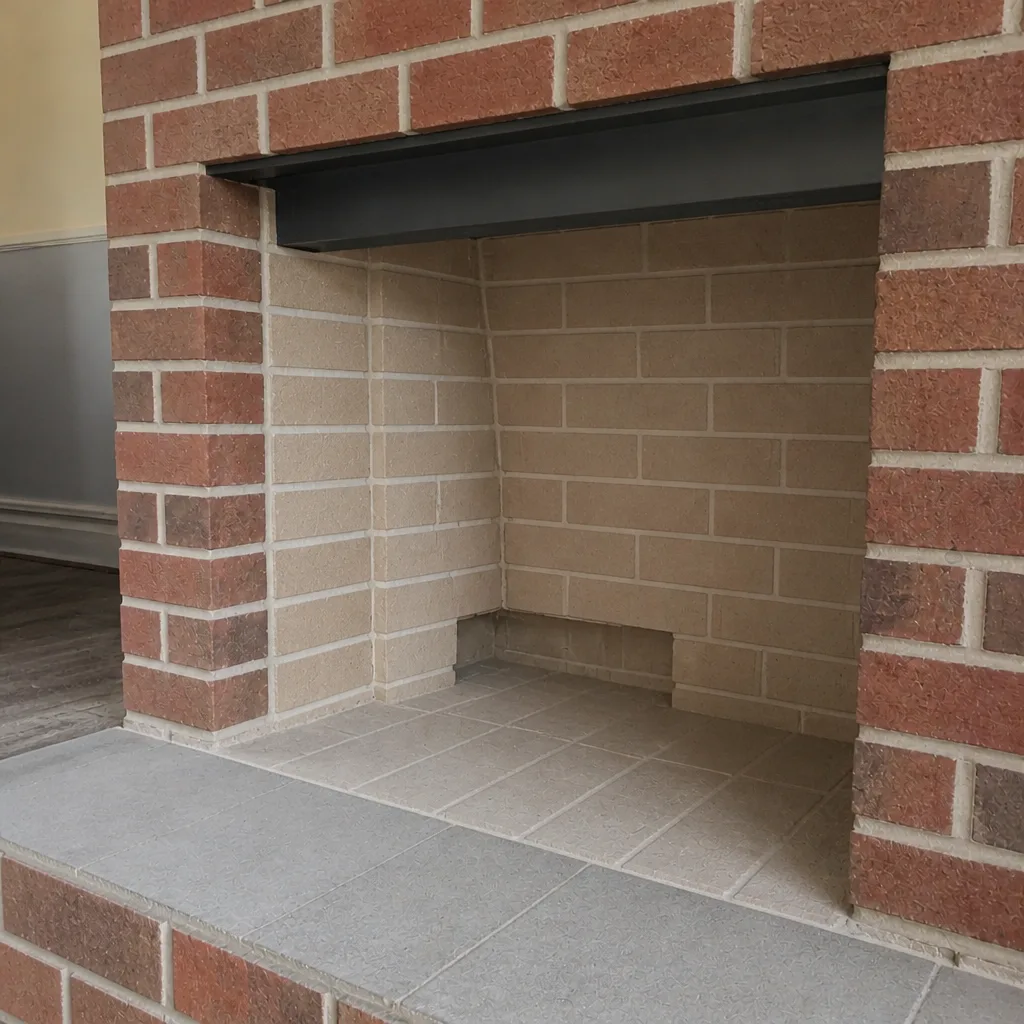
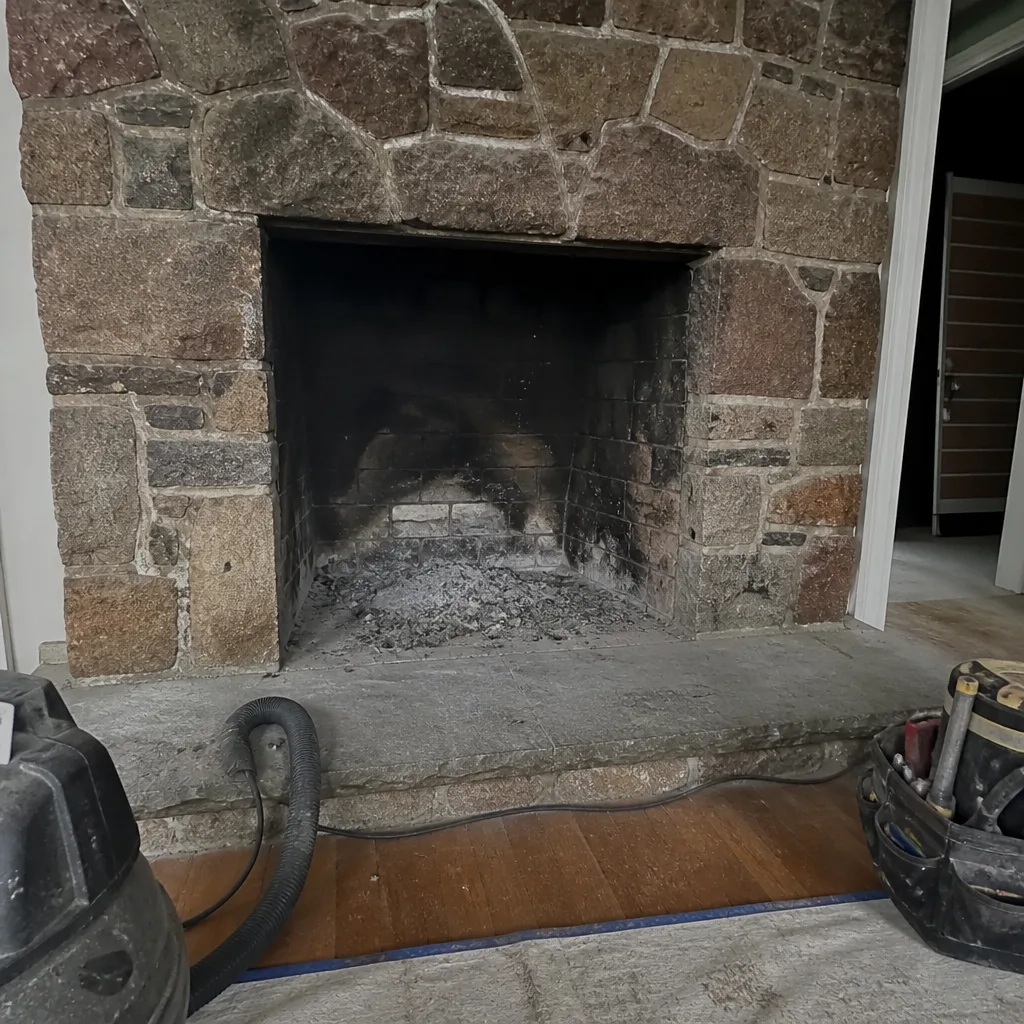
See the difference
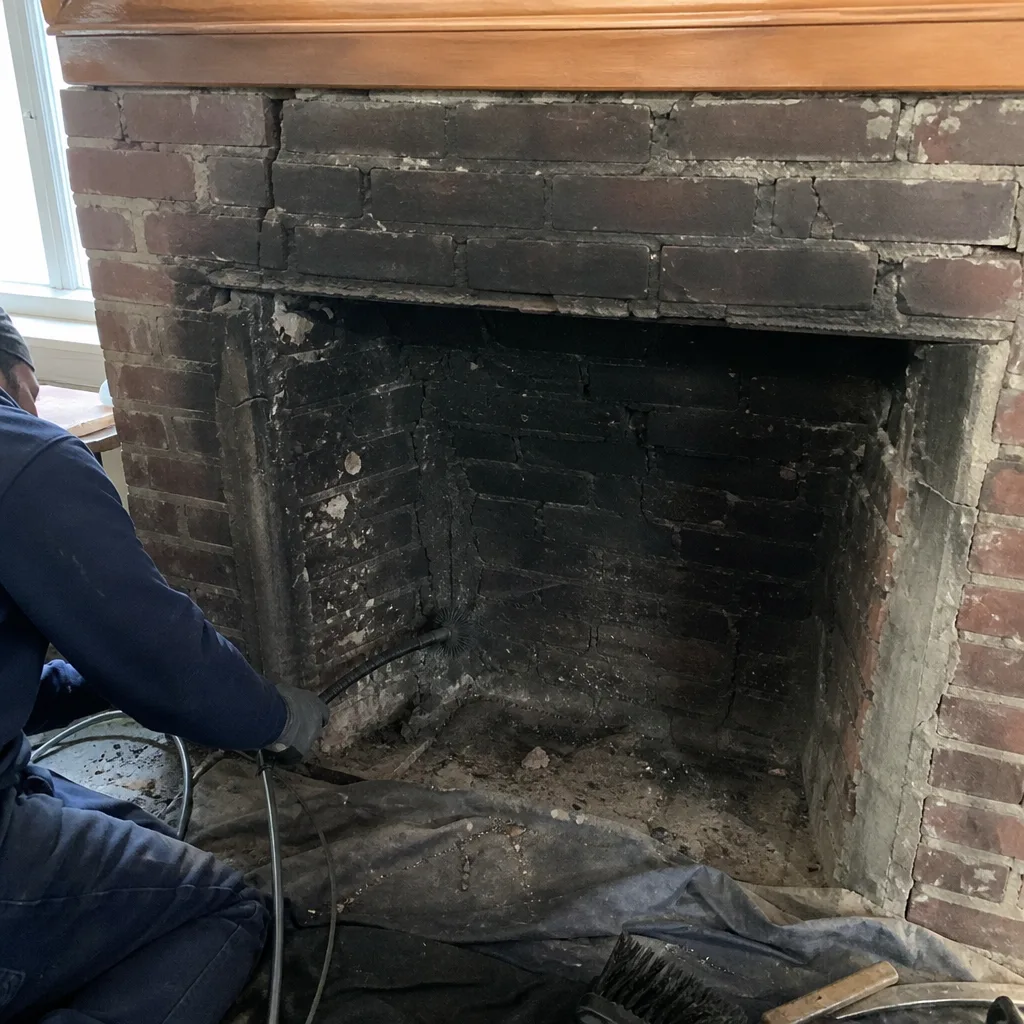 Before
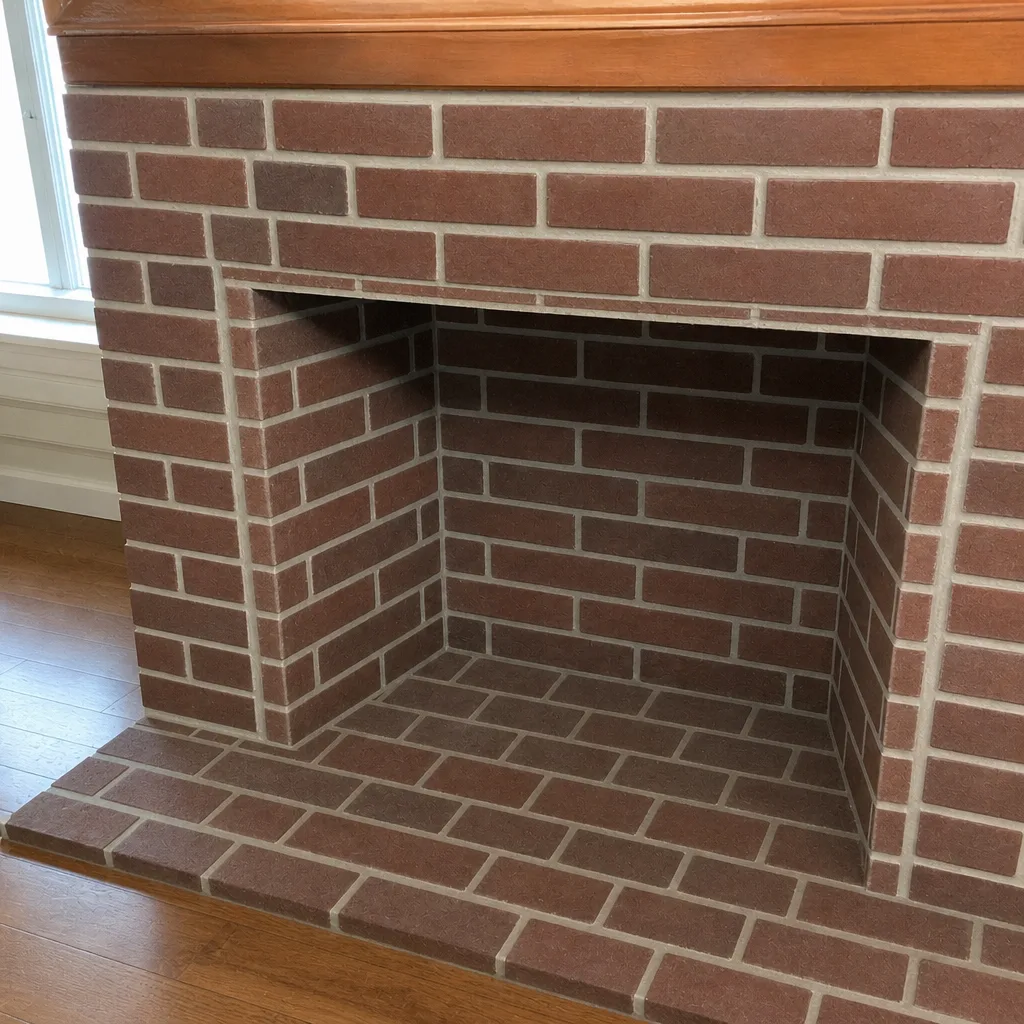 After
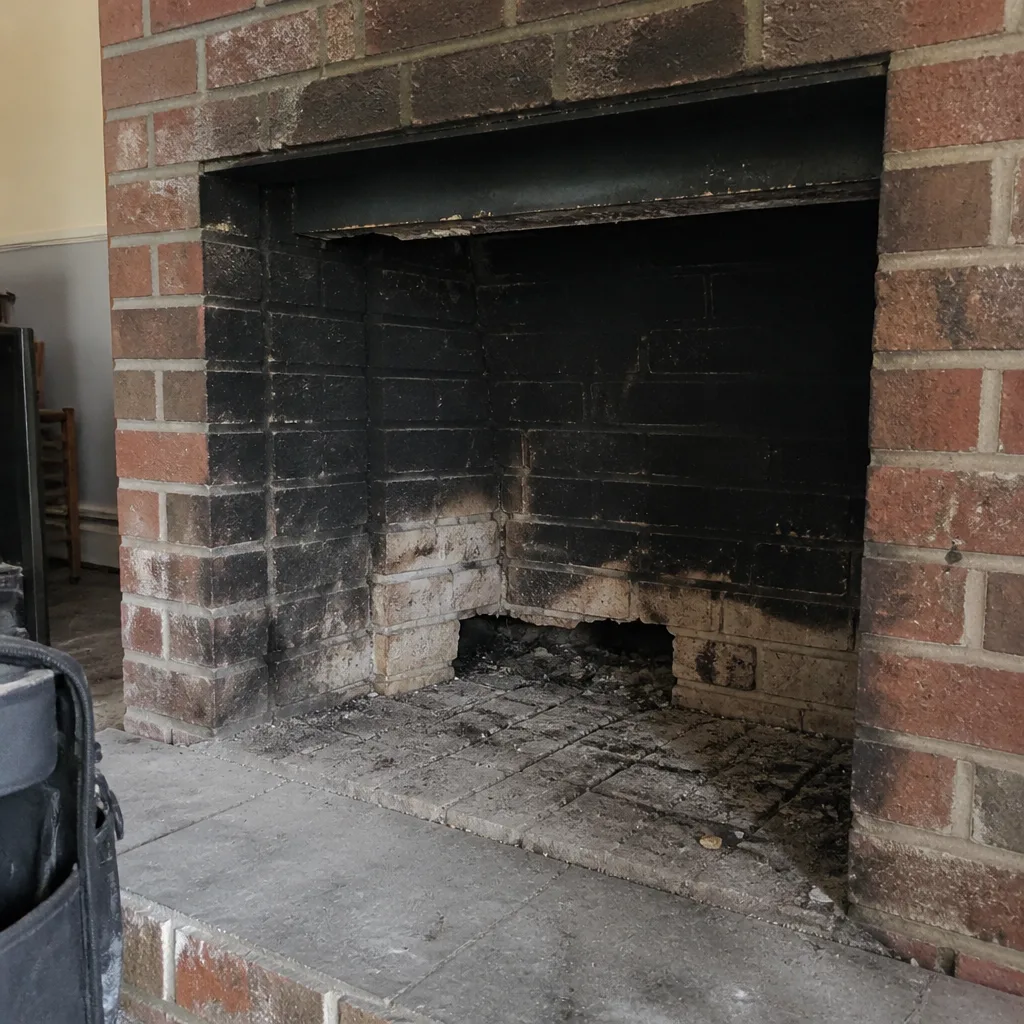 Before
 After
 Before
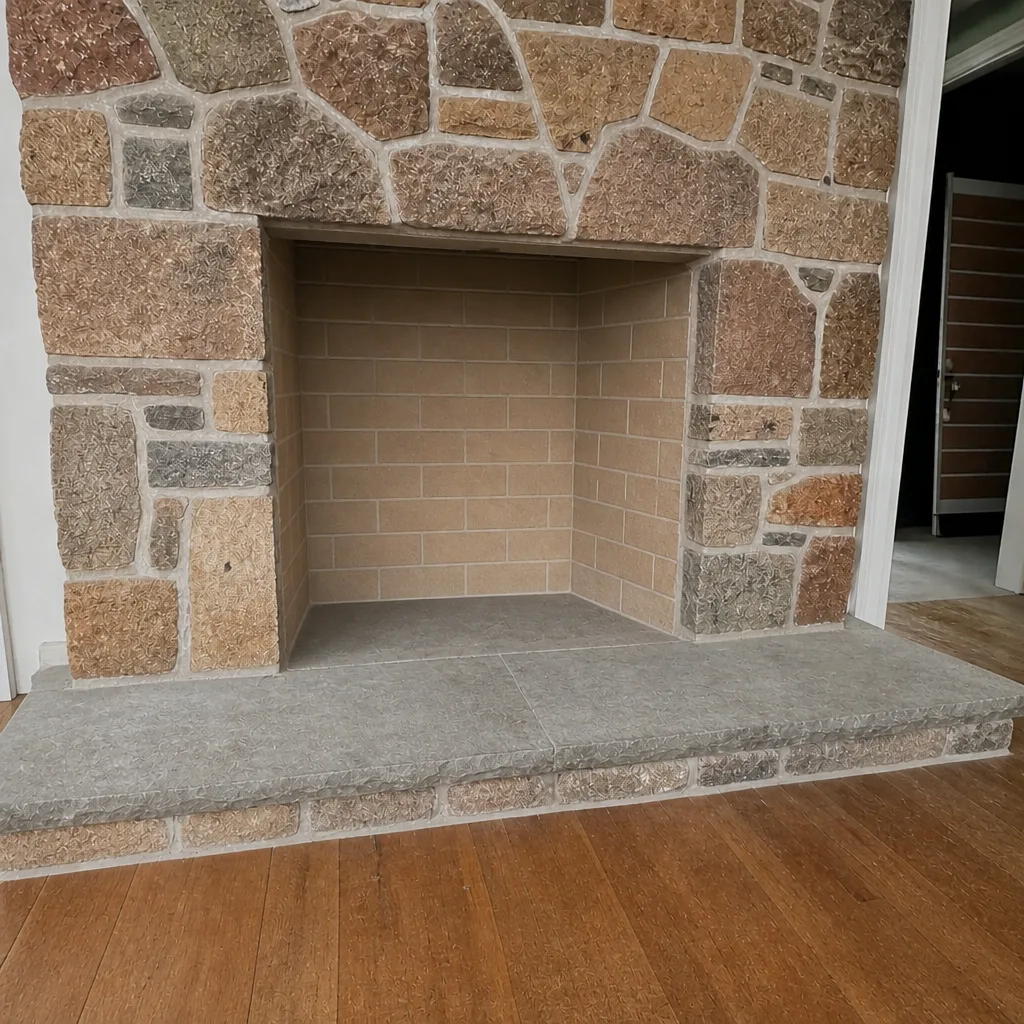 After
Frequently Asked Questions
For most homes burning wood regularly through the winter, once a year is the standard practice, usually in the fall before the burning season starts. If you burn green wood or use the fireplace heavily, a mid-season look is worth considering. The honest answer is that the sweep schedule depends on how fast your chimney builds creosote, which a camera inspection can tell you. Call (833) 472-1614 and we’ll walk you through what your chimney actually needs.
No, unless there’s an active fire. A persistent campfire smell when the fireplace is not in use means the flue-to-living-space barrier is compromised somewhere and it needs an inspection. It’s a safety signal, not an emergency, but it shouldn’t wait months. Book an inspection and have it looked at.
Lazy smoke is smoke that drifts out of the firebox instead of drafting up. It can be a harmless airflow issue (cold flue, closed damper, negative-pressure house), or it can point to a blocked or damaged flue. The first type is fixable by adjusting how you burn. The second type needs an inspection. Call (833) 472-1614 to schedule an inspection and we can tell you which one you’re dealing with.
No. White staining, called efflorescence, is water moving through the masonry and leaving salts behind. Paint traps moisture inside the brick and accelerates spalling and mortar failure. Fix the water entry first (crown, cap, mortar) and the staining stops recurring.
Yes, if you don’t have a service history. A gas fireplace can produce carbon monoxide quietly, and a yellow flame or faint smoky odor is the visible clue. If you smell gas or feel unwell when it’s running, leave the space and call emergency services. For anything short of that, a chimney inspection covers the venting system the gas fireplace depends on.
A smoky odor on the second floor or in the attic means the flue barrier is compromised somewhere above the firebox. In Sunnyside’s multi-story rowhouses, this often points to a cracked flue tile or a failed crown or cap at the roofline. It’s a structural signal and it needs a full-system inspection, not a sweep. Call (833) 472-1614 and we can trace where it’s coming from.
The Bottom Line
The signs worth acting on aren’t the smoky ones you’ll see on a smoke-detector or fire-safety checklist. They’re the quiet structural signals: a campfire smell when the fireplace is off, white staining on brick, popping and cracking sounds after the fire dies down, lazy smoke that persists after twenty minutes, a gas fireplace with a yellow flame, and odors on the second floor. Each one points at something specific, and each one is cheaper to fix when you catch it early. A camera inspection is how you tell a minor draft problem from a liner problem, and an inspection that can also quote the repair on the same visit saves you the second contractor in Sunnyside. Book a sweep, get a written estimate before we start, and use the report to plan. A clean chimney is the starting point – a safe chimney system is the goal.
Call (833) 472-1614 for a free estimate. We answer 24/7. Fast dispatch from 7am to 7pm, Sunday through Friday. If you’d rather start with a service page, our chimney sweep page walks through what a sweep includes, and the chimney repair page covers the structural side.
Written by the team at Chimney Sweep Sunnyside.