
Last updated November 25, 2026
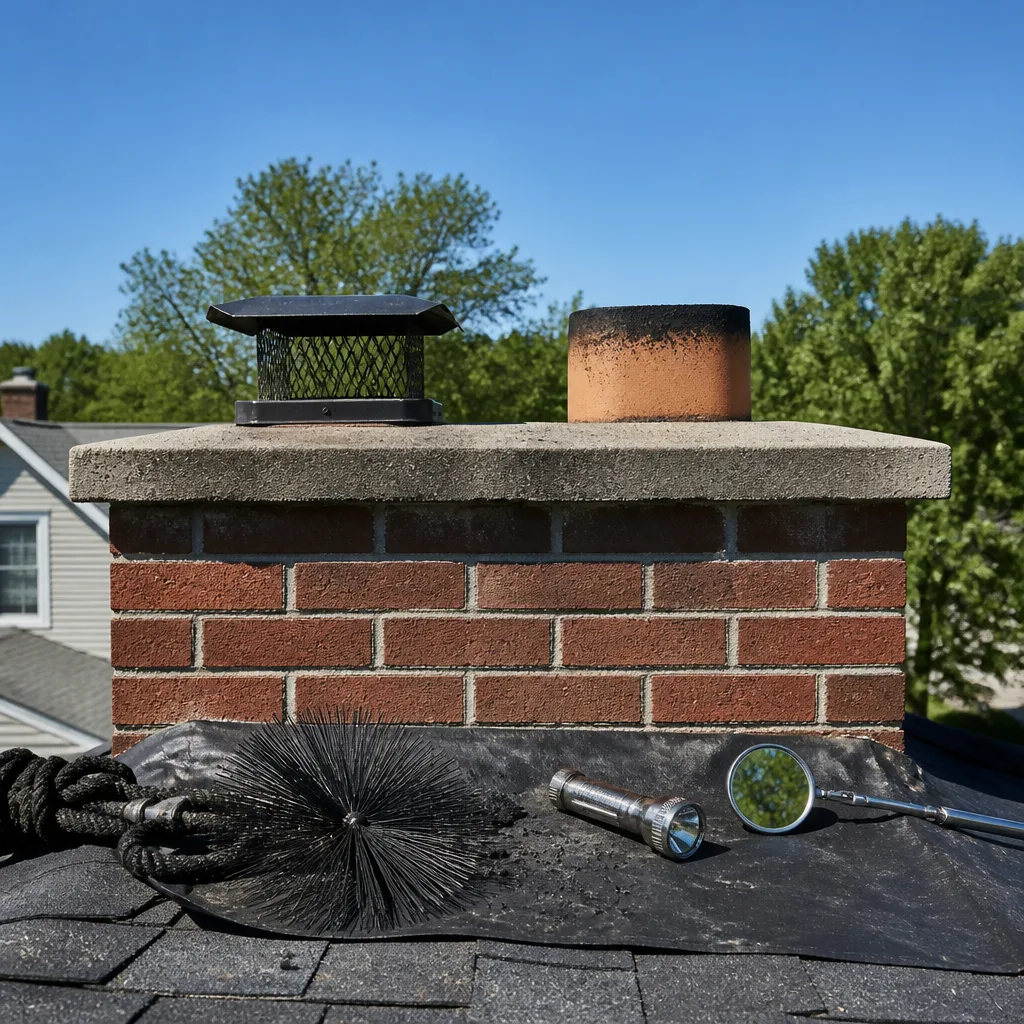 Sweep & inspection
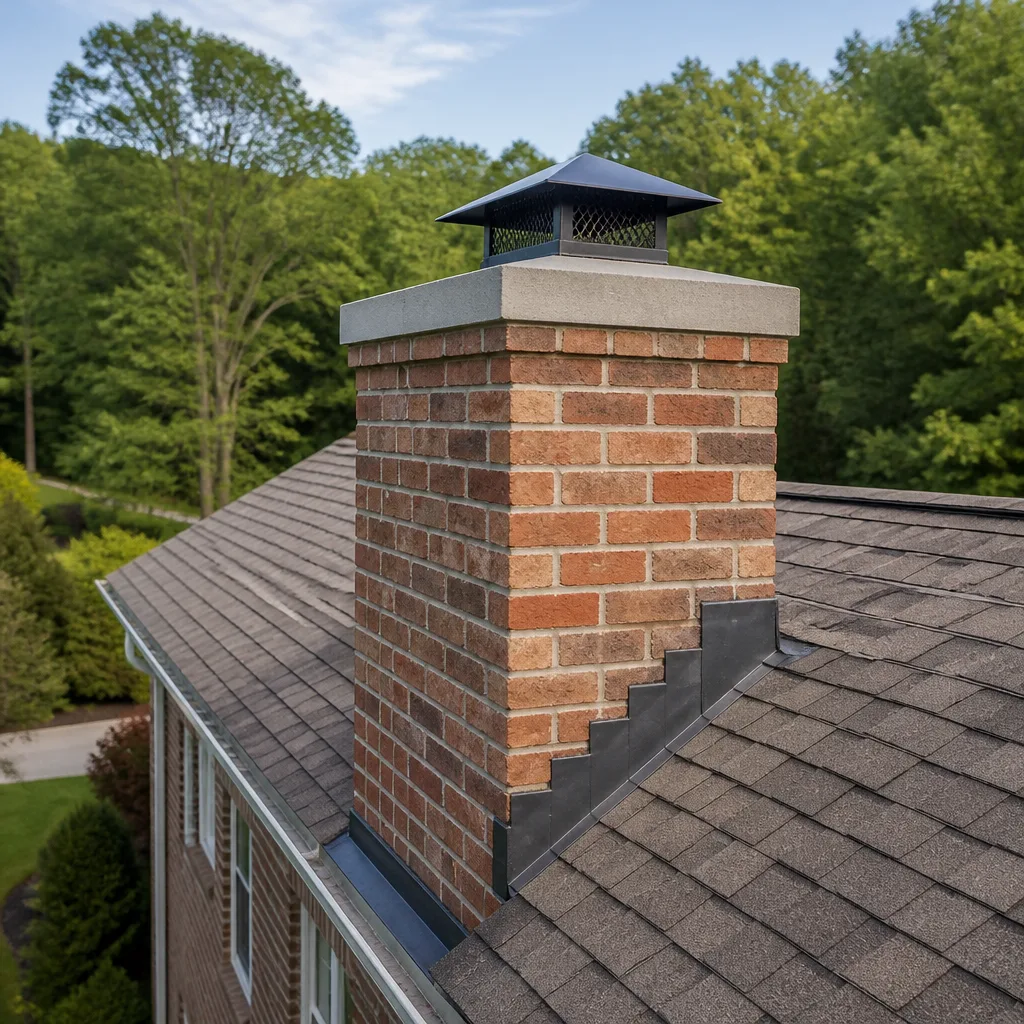 Caps & crowns
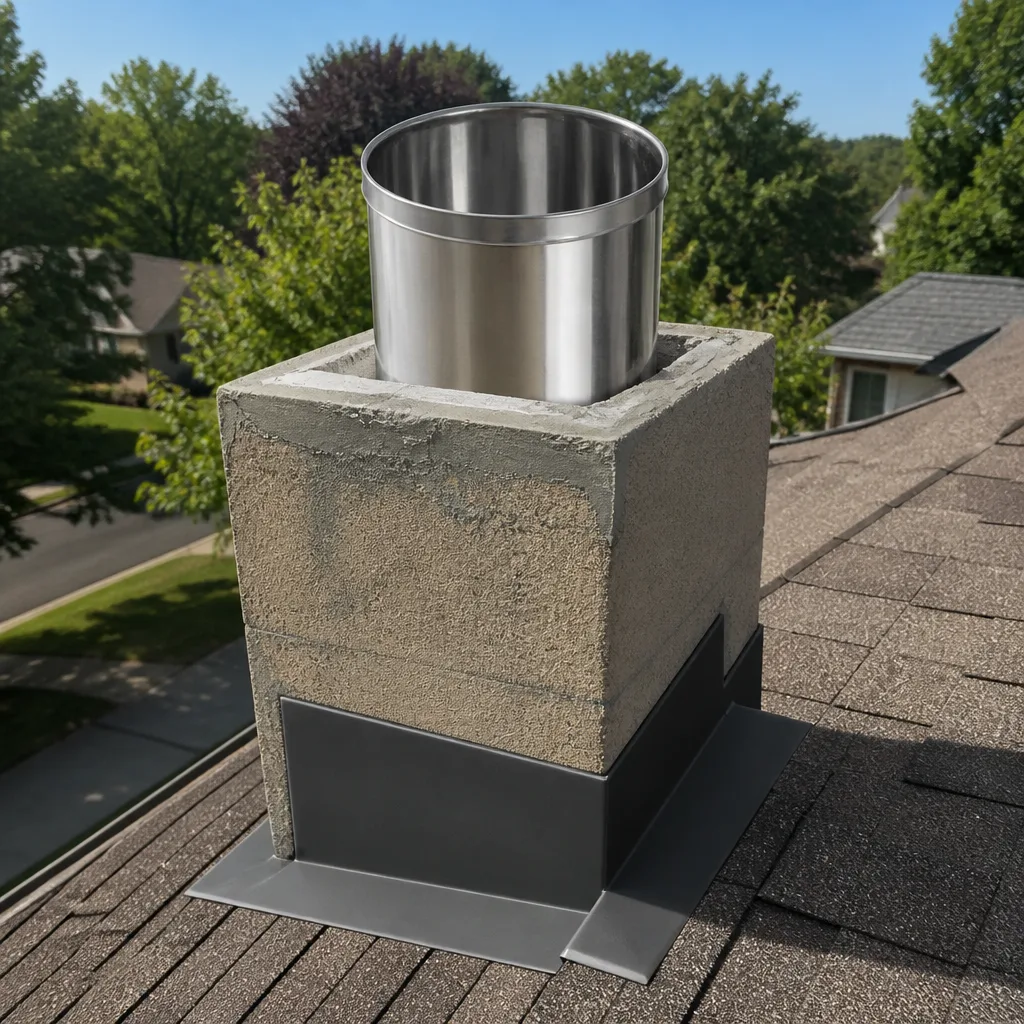 Flue relining
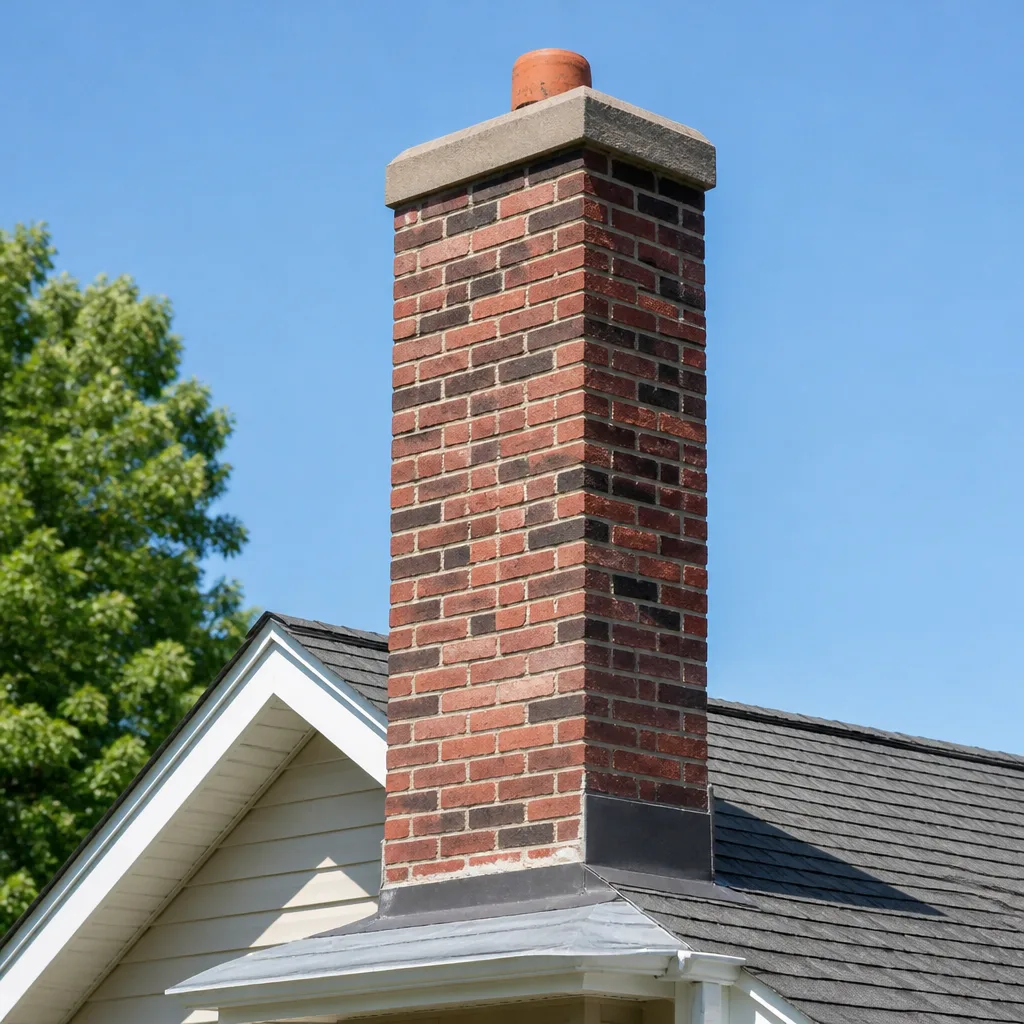 Masonry repair
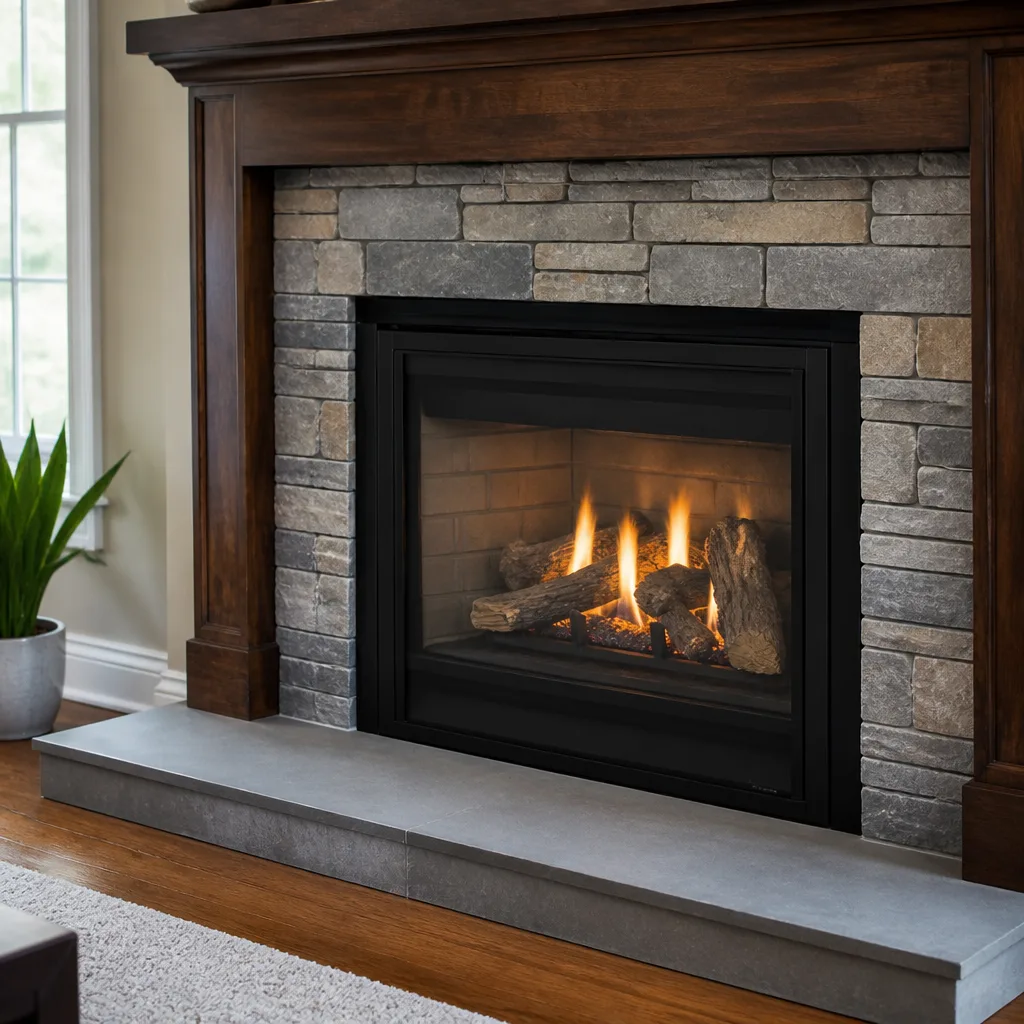 Gas fireplace service
Level 1 sweep and inspection to the NFPA 211 annual standard - flue, crown, cap, and flashing checked and photographed
Chimney sweep logs do not sweep chimneys. They loosen some creosote - which then falls where a brush and vacuum still have to collect it.
Seasonal Chimney Cleaning Care for Sunnyside: Year-Round Homeowner’s Guide
Most homeowners in Sunnyside book their one chimney appointment in October, and it feels like the right move. But think about what that timing actually means. Your chimney just spent three months absorbing summer humidity and working through the freeze-thaw swings of early fall. Nobody has looked at it since spring. An October sweep cleans a flue that may already have crown cracks or liner damage nobody has checked. This guide breaks the year into four stress phases and assigns real tasks to each one.
Quick Answer
Seasonal chimney care in Sunnyside works best when it’s split across the year instead of crammed into one fall visit. Check the crown, cap, and flue after the heating season ends, handle waterproofing and cap work in dry summer months, sweep in September before the first fire, and monitor draft and water entry through winter. A single October appointment skips the three phases where damage actually starts.
Styles & brands we work with
- Sweep & inspection
- Caps & crowns
- Flue relining
- Masonry repair
- Gas fireplace service
Table of Contents
- Why One Fall Appointment Misses Three Seasons of Damage
- Spring: What the Heating Season Leaves Behind
- Summer: The Best Months for Cap and Waterproofing Work
- Fall: Why September Beats October for a Sweep
- Winter: Mid-Season Monitoring for Draft and Water
- How Sunnyside’s Urban Heat Island Changes the Wear Pattern
- The Twelve-Month Chimney Checklist
- Common Mistakes to Avoid
Why One Fall Appointment Misses Three Seasons of Damage
A chimney isn’t a pipe that gets dirty. It’s a system of masonry, metal, mortar, and gaskets, and each material responds to weather on its own schedule. That’s why the standard “sweep it before winter” habit leaves so much unexamined.
Here’s what actually happens across a Sunnyside year. When you burn through the cold months, the flue gases carry water vapor. Some of that vapor condenses on the cooler upper walls of the flue, and that moisture sits against the liner and mortar through the spring warm-up. By summer, the masonry is soaking up humid air and baking in the sun. By fall, the first cold nights combined with rain create freeze-thaw movement in any crack that opened over the summer. And in winter, active fires push moisture and heat through the whole system again.
Four distinct stress phases. Four different things to look at. If you fold all of that into one October visit, you’re cleaning the surface but skipping the diagnosis. The crown that cracked in June gets swept under a brush in October and never gets flagged until it’s a bigger repair.
Think of it this way: a sweep cleans the flue. A seasonal care routine watches the whole system. Those are not the same job, and the second one is what protects the first.
At Chimney Sweep Sunnyside, we work across the full sequence all year. We’ve seen how a routine cap and crown inspection in July catches things that would have turned into a masonry repair by November.
Spring: What the Heating Season Leaves Behind
Spring is the diagnostic season. Once the last fire burns down, you have a window to look at what the winter actually did to the chimney, before summer makes it worse.
Three things matter most in spring:
- The crown. The crown is the concrete cap on top of the chimney that sheds water away from the masonry. Any crack in the crown is an entry point. Spring freeze-thaw cycles are particularly good at widening hairline cracks, because water gets into the crack, freezes overnight, expands, and pushes the concrete apart.
- Spalling brick and mortar. Look at the exterior masonry below the roofline. Spalling is when the face of a brick flakes or pops off. Mortar joints that crumble when you press a finger into them are already failing. This is cosmetic at first and structural later.
- Liner condition after condensation. A stainless steel liner is fine. A clay tile liner that has been exposed to moisture through the winter can show cracked or spalled tile edges, which is a serious thing to catch before fall.
Spring is also the right time for a professional inspection, because you have months of mild weather ahead to schedule any repair. That means no scramble, no calling around, and no reason to accept a rushed job.
What spring cleaning actually means
A spring sweep itself is a judgment call. If you burned heavily through the winter, a sweep in April clears soot deposits before they sit through summer humidity. If your burning season was light, you can often skip the sweep and use the spring visit for inspection and crown evaluation instead.
Ask for the camera and photo report. On a system this old in many Sunnyside homes, you want to see what the flue actually looks like inside the house, not just a technician telling you what he saw.
Summer: The Best Months for Cap and Waterproofing Work
Water is the chimney’s most common long-term enemy, and water damage is best addressed when the weather is dry. That’s what makes summer the natural window for cap work and waterproofing.
Think about what a masonry chimney does in a summer rainstorm. The brick soaks up water like a sponge. Then the sun comes out and the surface dries, but the interior of the brick stays damp for days. Every wet-and-dry cycle pushes on the mortar joints a little more. Then fall arrives, temperature drops, and any trapped moisture freezes and expands inside the brick.
The fix is a proper water-shedding system, and it’s best installed in dry weather so the sealant cures properly and any masonry work has time to set.
What a complete water-shedding system includes
- A chimney cap. A cap protects the flue opening from rain and animals. It also handles draft at the top of the system. We work with Famco and Gelco components for venting and cap installation because they’re commercial-quality materials with real specifications.
- A sound crown. The crown has to slope away from the flue and seal the top of the masonry. A crown that’s cracked or rocking needs rebuilding, not patching with caulk.
- Waterproofing on the exterior masonry. A breathable masonry water repellant keeps liquid water out while allowing vapor to escape. Sealing a chimney with a non-breathable coating traps moisture inside and causes worse spalling.
Summer is also when chimney caps and dampers are easier to access and schedule. A roof that’s more pleasant to work on in July than in February means the job goes faster and gets done right the first time. Ask about the chimney cap & crown work specifically, because that’s where summer pays off most.
If you’re noticing signs of water intrusion right now, catch it early:
- White staining on the exterior brick (efflorescence) that appears after rain
- Damp or dark patches on the ceiling or wall near the chimney chase
- A musty smell in the room when the fireplace has been unused
- Rust on the damper or firebox hardware
Any of those in summer is worth a look now, not in October.
Fall: Why September Beats October for a Sweep
September is a better month for the annual sweep than October, and here’s why that’s not just a calendar opinion. It’s about scheduling pressure and flue availability.
October is the busiest month of the year for anybody who works on chimneys. Everyone remembers the fireplace at the same time, the schedule fills up, and the result is either a rushed sweep or a wait. In September, the calendar is open. You get a thorough sweep, a camera inspection, and a photo report without anyone working against the clock.
September also gives you a real cushion to fix anything found. If the inspection turns up a cracked crown or a failing section of liner, you have weeks to book the repair and get it done before you want to light the first fire. In October that same repair either delays the fire or gets skipped.
The September flue checklist
- Sweep the flue. Clear creosote and soot from the firebox throat up through the top. Our technicians have up to 13 years of experience and know how far to run the brush and when to bring in the camera.
- Camera-inspect the liner. Confirm there are no gaps, cracks, or failed joints that could let heat reach surrounding combustibles.
- Test the damper. It should open and close freely and seal properly when closed.
- Look at the cap. Confirm the screen isn’t blocked with leaves or bird debris and the cap is still attached solidly.
- Verify draft. A cold flue pulls poorly for the first few fires each year. Ask the technician to confirm draft is reasonable before you rely on the fireplace.
- Confirm the firebox. Look for cracked firebrick and check that the mortar joints are intact.
If you want to schedule a proper chimney sweep in September before the October rush, that’s the single highest-value move in this whole guide. If you’re going to remember one thing, remember this.
Winter: Mid-Season Monitoring for Draft and Water
Winter isn’t maintenance season. It’s monitoring season. The goal is to catch problems while the fire is still burning, not after a failed chimney sends smoke into the house.
Three things to watch for between December and February:
- Draft changes. If your fireplace used to draw well and now smokes at startup, the flue may be developing a partial blockage or the cap may be blocked. Cold, dense outdoor air can also cause cold-start issues early in the season, but a change mid-season is a signal.
- Smoke backdrafting. Smoke that doesn’t rise and exit the chimney is a genuine safety issue. Shut the fire down, open a window, and get the system checked before burning again.
- Active water entry during freeze events. If you see icicles hanging from the chimney cap or stains that spread during cold weather, water is entering the system. A freeze can make small cracks worse quickly.
Winter is also the time to keep the fire burning clean. Seasoned wood (split and dried properly) burns hotter and produces less creosote than wet wood. That’s the easiest chimney care there is.
If a problem shows up mid-winter, we handle it. Booked repairs happen; the schedule is real. If you’re noticing active smoke or water problems, call us and get it addressed.
How Sunnyside’s Urban Heat Island Changes the Wear Pattern
Sunnyside is dense Queens. That density matters for your chimney, and it changes the seasonal wear pattern compared with a suburban or rural setting.
Two things about the local climate:
- Urban heat island effect. Dense pavement and dense rooflines keep nighttime temperatures slightly higher than nearby suburban areas. That means slightly fewer hard freezes overnight, but the ones that do hit are still hard enough to freeze trapped moisture inside masonry. The net effect is not “less freeze-thaw”; it’s a different distribution, with fewer but sometimes sharper cycles that stress crowns and mortar.
- Queens summer humidity. The humid summers here mean masonry stays saturated longer after rain than it does in drier inland areas. That raises the risk of summer moisture intrusion and makes breathable waterproofing matter more, not less.
The other factor is housing stock. Many Sunnyside homes are older rowhouses and small multifamily buildings with shared chimney chases. That has two implications. First, the roof access is often tighter and the chimney is closer to neighbors, so a good cap and a properly vented chimney matter more than they would on a standalone house. Second, chimney systems in these buildings are often original masonry, which means the wear pattern (spalling mortar, hairline cracks in crowns, clay tile liners) shows up earlier in the year than you’d expect on a newer home.
For multi-family buildings, consider applying the same seasonal checklist to every flue on the roofline, not just the one connected to your unit. We work across the full chimney system on these buildings from firebox to cap.
The Twelve-Month Chimney Checklist
Here’s the whole year condensed. Print this, put it on the fridge, and check it off season by season.
Spring (April-May)
- Schedule a post-heating-season inspection with a photo report.
- Look at the crown of the chimney for new cracks or flaking.
- Walk the exterior walls for spalling brick and crumbling mortar.
- Sweep if winter was heavy; skip and inspect if winter was light.
- Ask about liner condition, especially if the flue is masonry tile.
Summer (June-August)
- Book cap and crown evaluation and installation in dry weather.
- Apply breathable masonry waterproofing to the exterior.
- Watch for ceiling stains, musty smells, rust on the damper.
- Test the damper to verify smooth operation.
- Check the firebox for cracked firebrick.
Fall (September)
- Sweep before the first fire.
- Camera-inspect the flue for gaps and failed joints.
- Clear debris and animals from the cap screen.
- Confirm draft before relying on the fireplace.
- Book any repair now so it’s complete before real cold sets in.
Winter (December-February)
- Watch for draft changes and smoke that doesn’t rise.
- Report smoke backdrafting immediately and stop burning.
- Check the cap and crown for icicles and active water intrusion.
- Burn only seasoned wood to minimize creosote.
Full-scope service means one company handles any repair on that list. If the inspection finds a crown issue, we quote the repair right there. No report-and-refer.
If you’d rather have one number on speed dial than twelve line items, that’s what we’re here for.
Common Mistakes to Avoid
- Scheduling the only visit in October. You’re cleaning a system that just spent three months absorbing moisture, and skipping the diagnostic phases. Shift the sweep to September and add a spring inspection.
- Ignoring a cracked crown because it’s not causing a problem “yet.” On a rowhouse in Sunnyside, a crown failure is a path for water into the wall of the building itself, not just the chimney.
- Sealing a chimney with a non-breathable coating. It traps moisture inside the masonry and makes spalling worse. Breathable water repellant is what you want.
- Waiting for smoke problems before scheduling anything. Draft issues and water intrusion are visible in a spring inspection long before they’re obvious from the living room.
- Booking a sweep-only company and getting a report with no next step. Ask ahead whether the company can quote and perform repairs on caps, crowns, liners, and masonry.
- Assuming you need a full rebuild the moment a liner looks bad. HeatShield restoration handles a deteriorating flue interior without a rebuild in many cases. Ask whether it fits your flue before assuming.
- Burning wet or green wood. It produces more creosote and runs the flue colder. In a system with marginal draft, that’s a real problem.
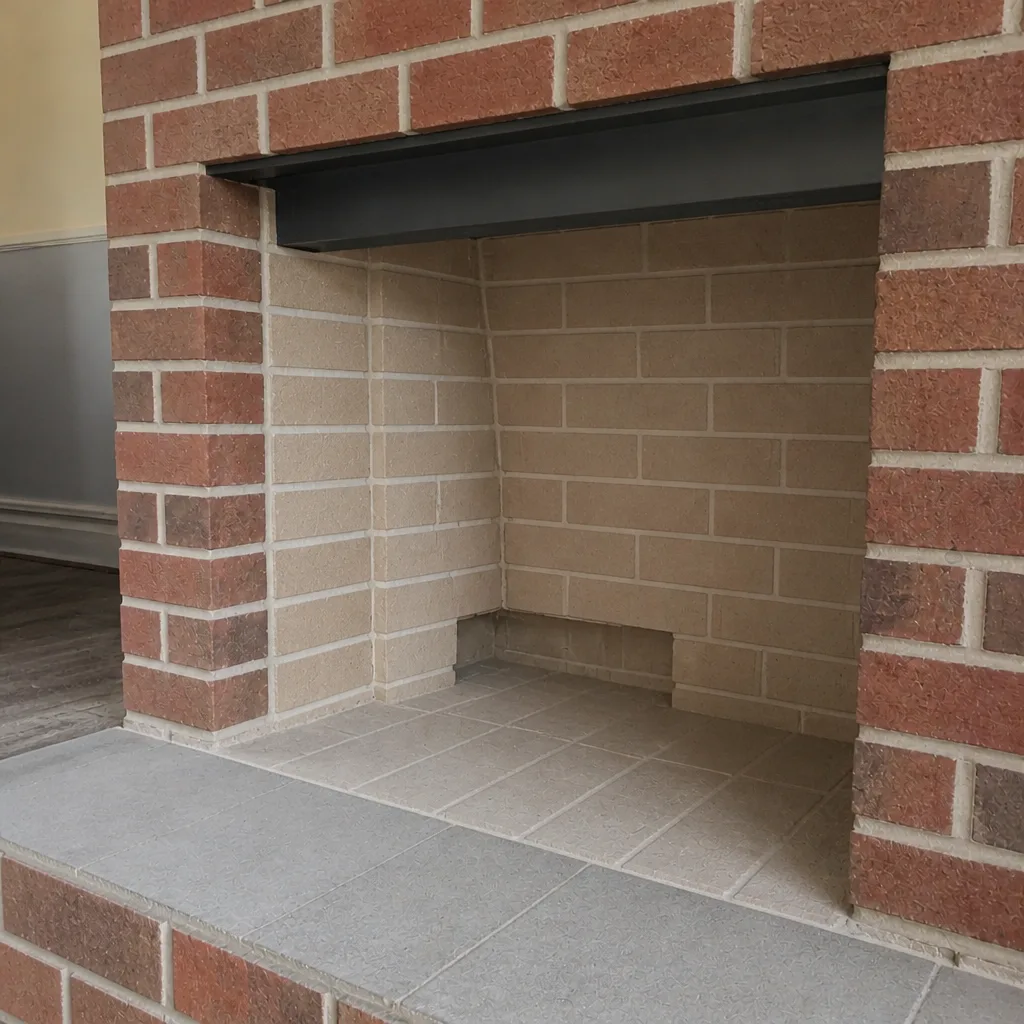
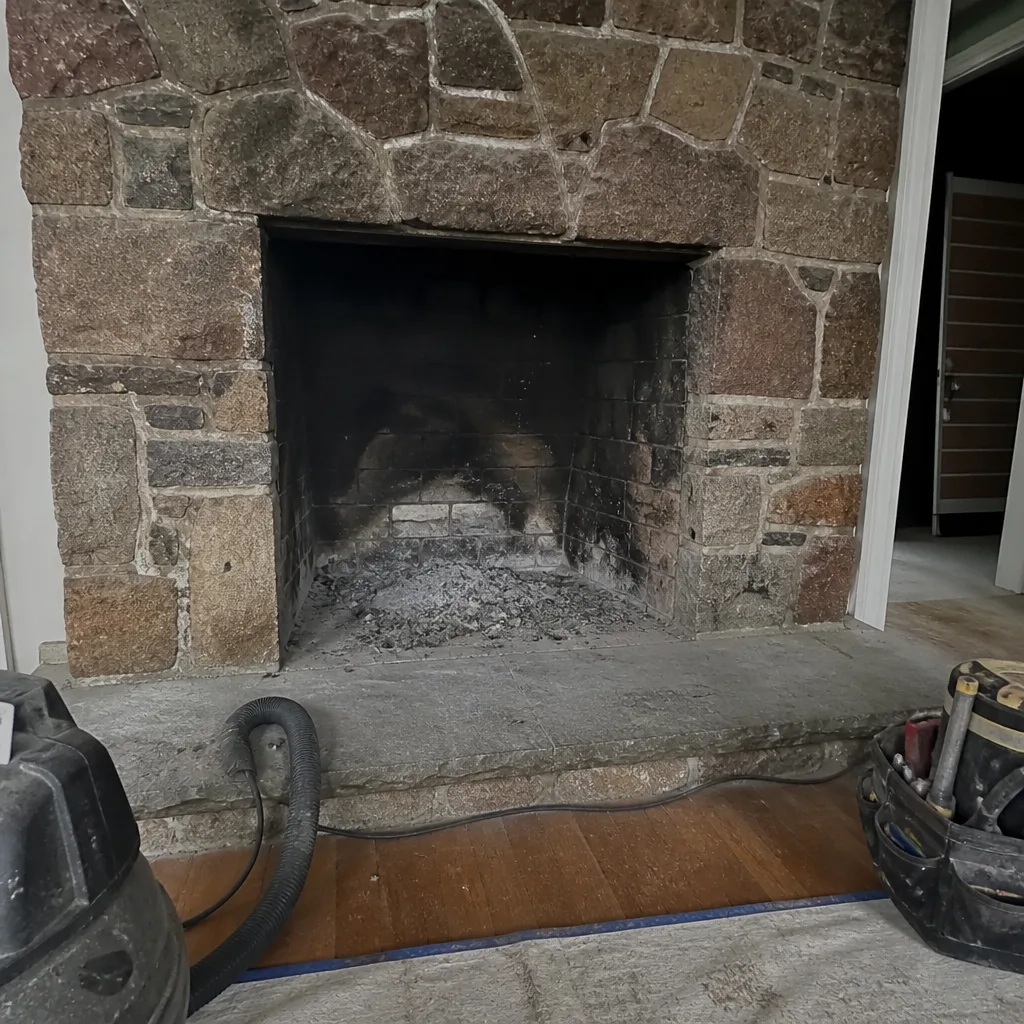
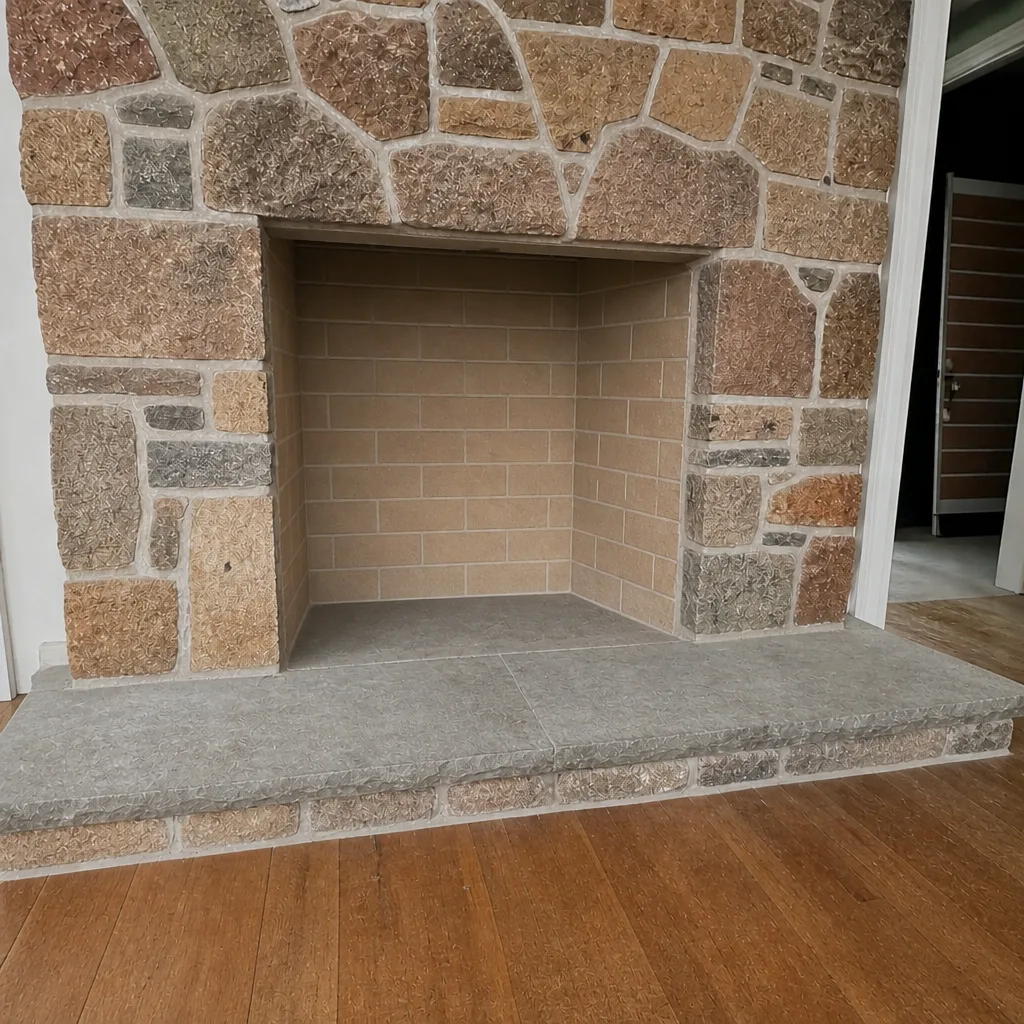
See the difference
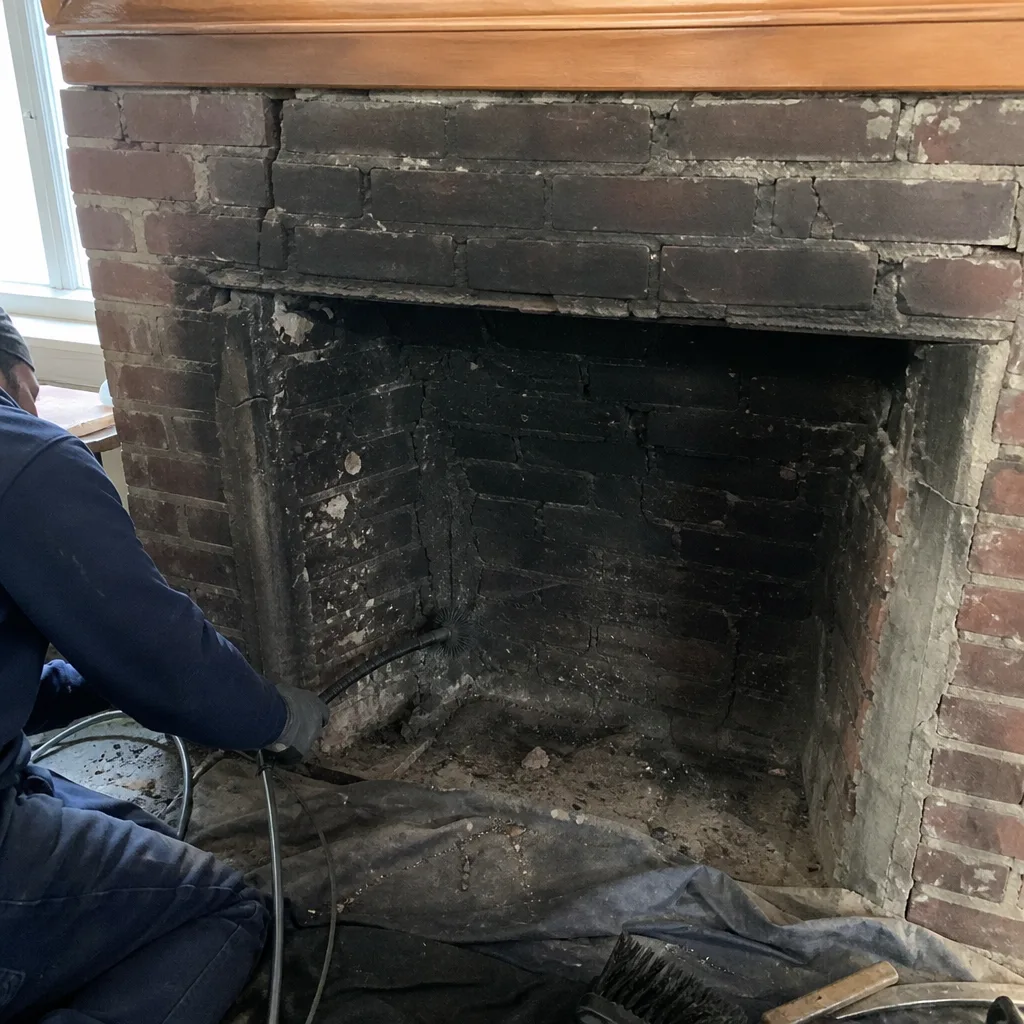 Before
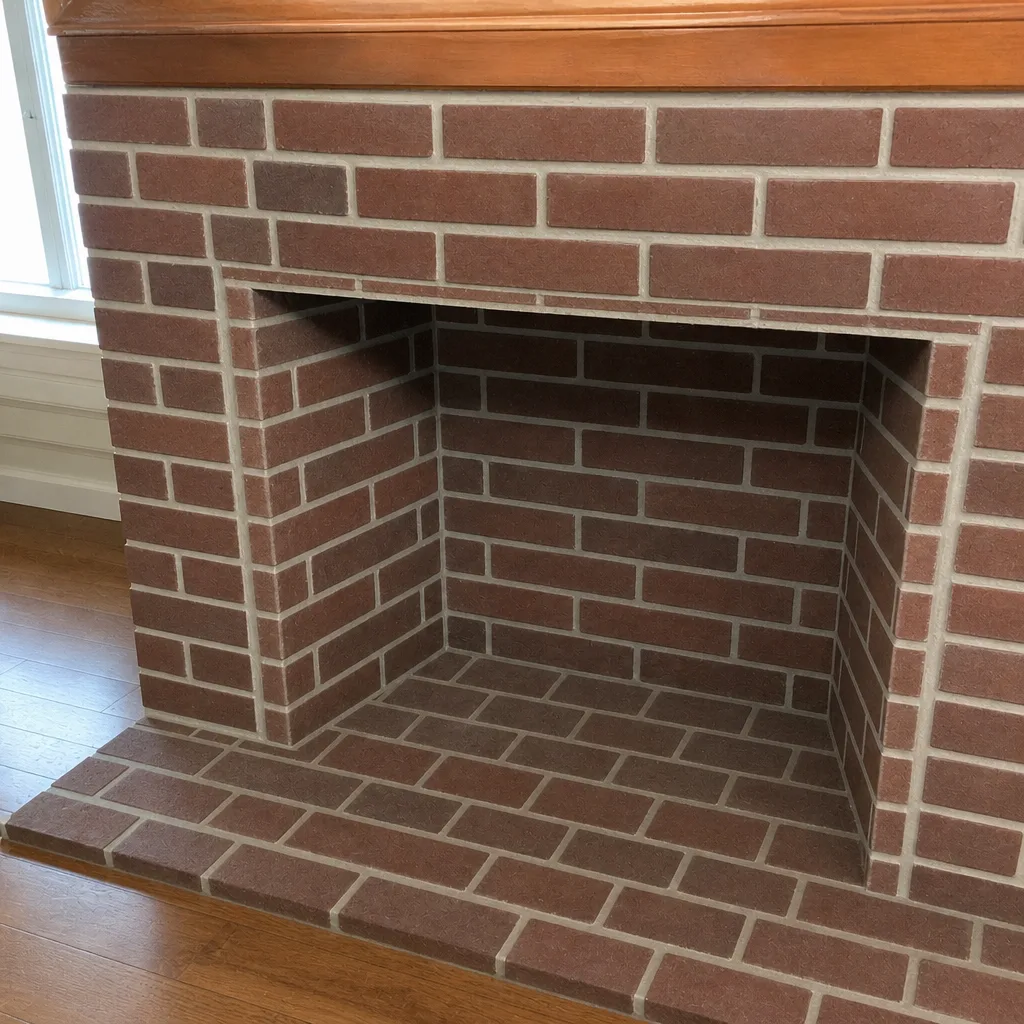 After
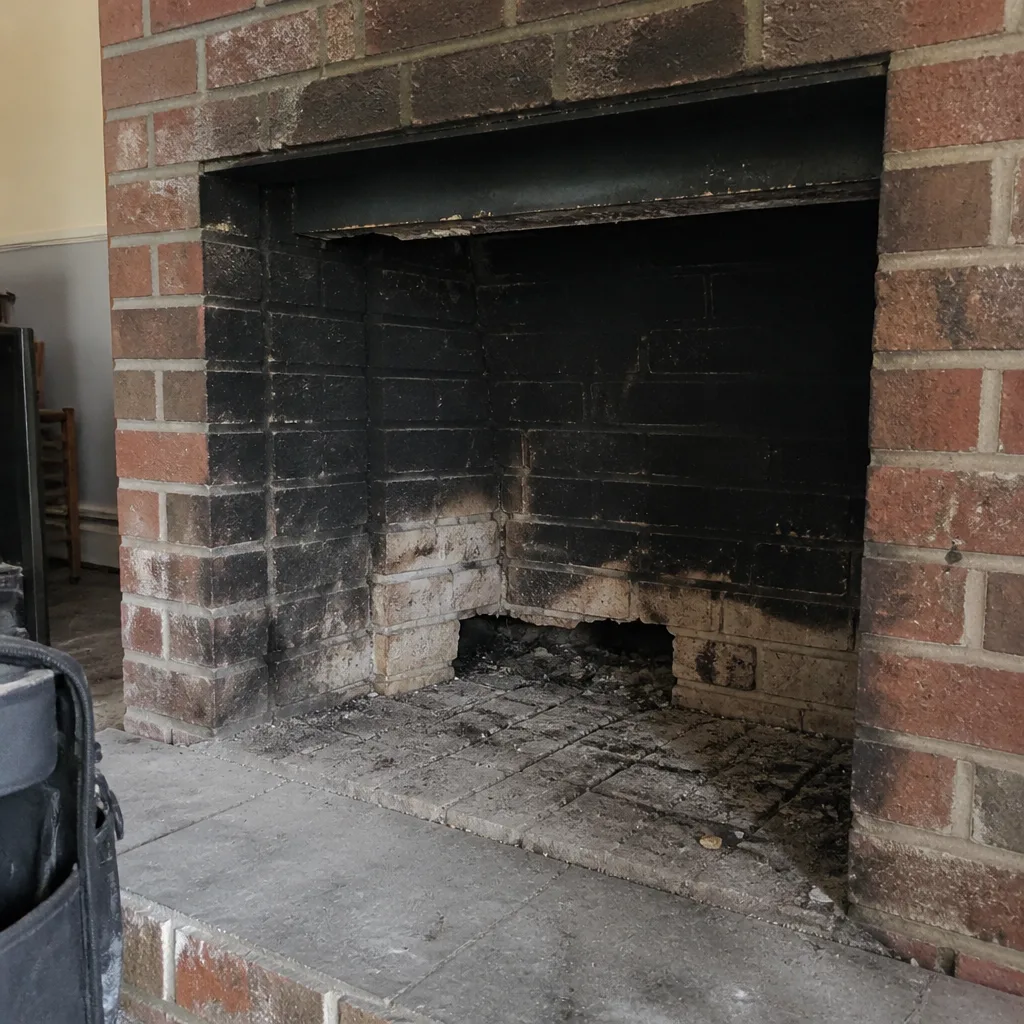 Before
 After
 Before
 After
When to Call a Professional
Some chimney work is routine, and some is not. Call a professional when you see smoke coming back into the room, hear a persistent animal noise from the cap, see visible cracks in the crown or firebox, notice ceiling stains or rust on the damper, or smell burning when no fire is lit. Also call if it’s been more than a year since the chimney was inspected, if you’ve never had a camera inspection on the flue, or if you’re buying a home with a fireplace and want to know what you’re taking on before closing.
High-tension components in the trade include any connection between the firebox and the flue. If you’re not sure what you’re looking at, don’t open it up yourself. Get a trained professional to inspect it. We can look at the whole system, quote the repair, and handle it with the same team.
Chimney Sweep Sunnyside offers free estimates in Sunnyside. Call (833) 472-1614.
Frequently Asked Questions
A chimney used regularly should be swept once a year, but the more useful question is what shape the system is in. A seasonal care approach means a sweep in September plus an inspection in spring so you’re checking the crown, cap, and liner twice a year. If you burn wood heavily through the winter, keep the annual sweep. If you burn a few fires a year, a spring inspection and a September sweep is still the useful baseline. Call (833) 472-1614 for the schedule that fits your burning pattern.
The sweep cost depends on the number of flues and what the camera inspection shows, so the price is set per job by the written estimate. What matters more is what you walk away with: a camera inspection, a photo report, and a clear picture of whether anything is failing. Estimates are free. Call (833) 472-1614 for an exact quote on your chimney.
You’re not being sold one if you can see the evidence for yourself. Ask for the camera footage and the photo report. If the liner is genuinely cracked or spalled, it needs correction before the next burning season because heat can reach surrounding combustible material. If the liner is sound, the repair is unnecessary and we’ll say so. Our chimney repair work starts with the report, not with the sales pitch. Call (833) 472-1614 and ask what the inspection actually shows.
You can skip a heavy sweep, but you shouldn’t skip the annual inspection. Even light burning produces some creosote and soot, and more important, the inspection is where crown cracks, spalling mortar, liner issues, and cap damage get caught. Skipping the sweep is a judgment call about your burn volume. Skipping the inspection means you’re flying blind on the pieces of the system most likely to cause a problem.
The main difference is the moisture pattern, not the temperature. Sunnyside’s dense rooflines keep masonry warmer overnight but the Queens summer humidity means the brick stays damp longer after rain. That makes breathable waterproofing more important, and it makes the spring inspection the most important visit of the year. If you want a season-by-season plan calibrated to a city-lot chimney, call (833) 472-1614.
In most cases, nothing happens right away, and that’s exactly why skipping becomes a habit. What builds up over a few skipped seasons is an undiagnosed crown crack, a slowly spalling mortar joint, a liner joint that failed quietly, or a cap screen that’s blocked. Each of those is minor in year one and expensive in year three. We can’t tell you which of those is developing in your chimney without looking. Estimates are free, so the inspection is the cheap part. Call (833) 472-1614.
The Bottom Line
The core shift this guide asks for is to stop treating chimney care as one fall appointment and start treating it as four seasonal checks, each with a different job. September is for the sweep; spring is for the inspection; summer is for the cap and waterproofing; winter is for monitoring. The system that gets all four is the system that stays sound year after year. If your chimney has never had a camera inspection, that’s the first call to make. If it’s been a couple of seasons, the September sweep is the second. Call (833) 472-1614 for a free estimate and to book the phase that fits your season. We answer 24/7. Fast dispatch from 7am to 7pm, Sunday through Friday.
Written by the team at Chimney Sweep Sunnyside.