
Last updated November 25, 2026
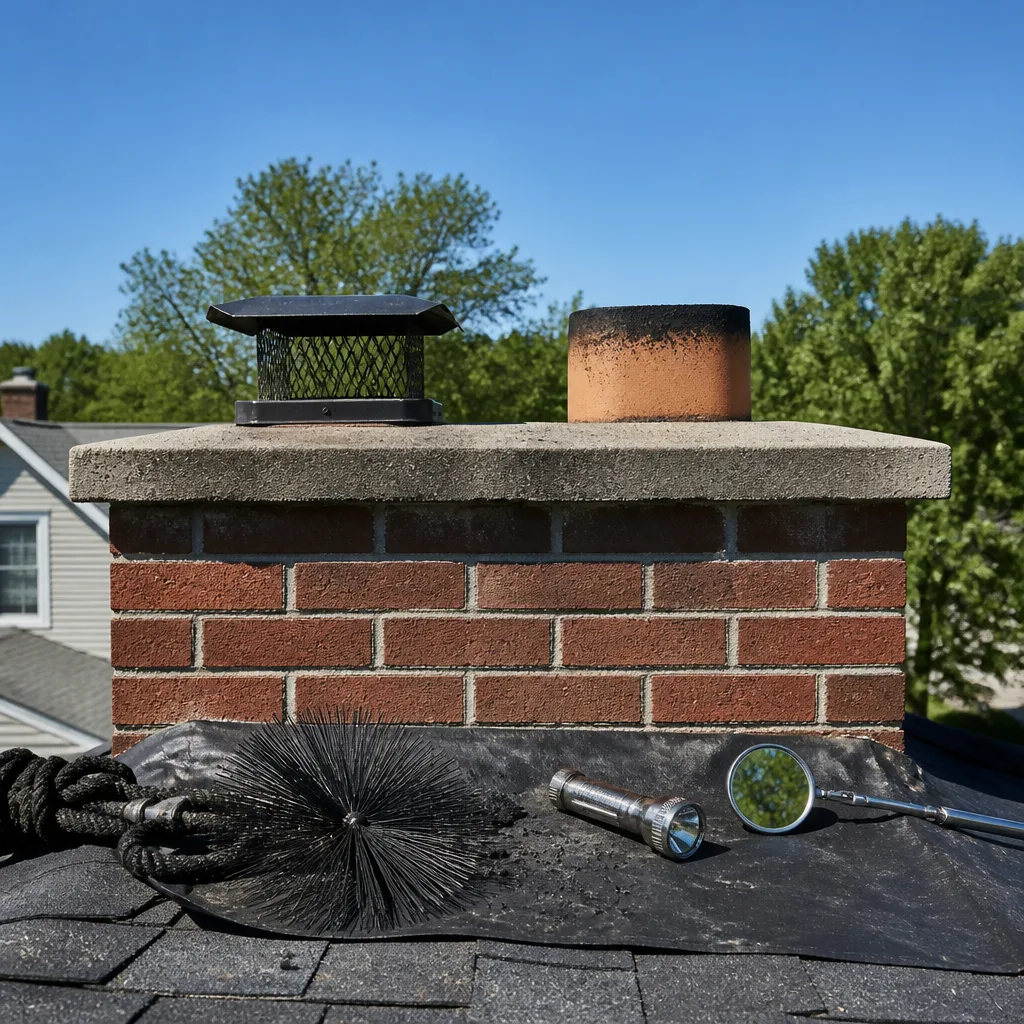 Sweep & inspection
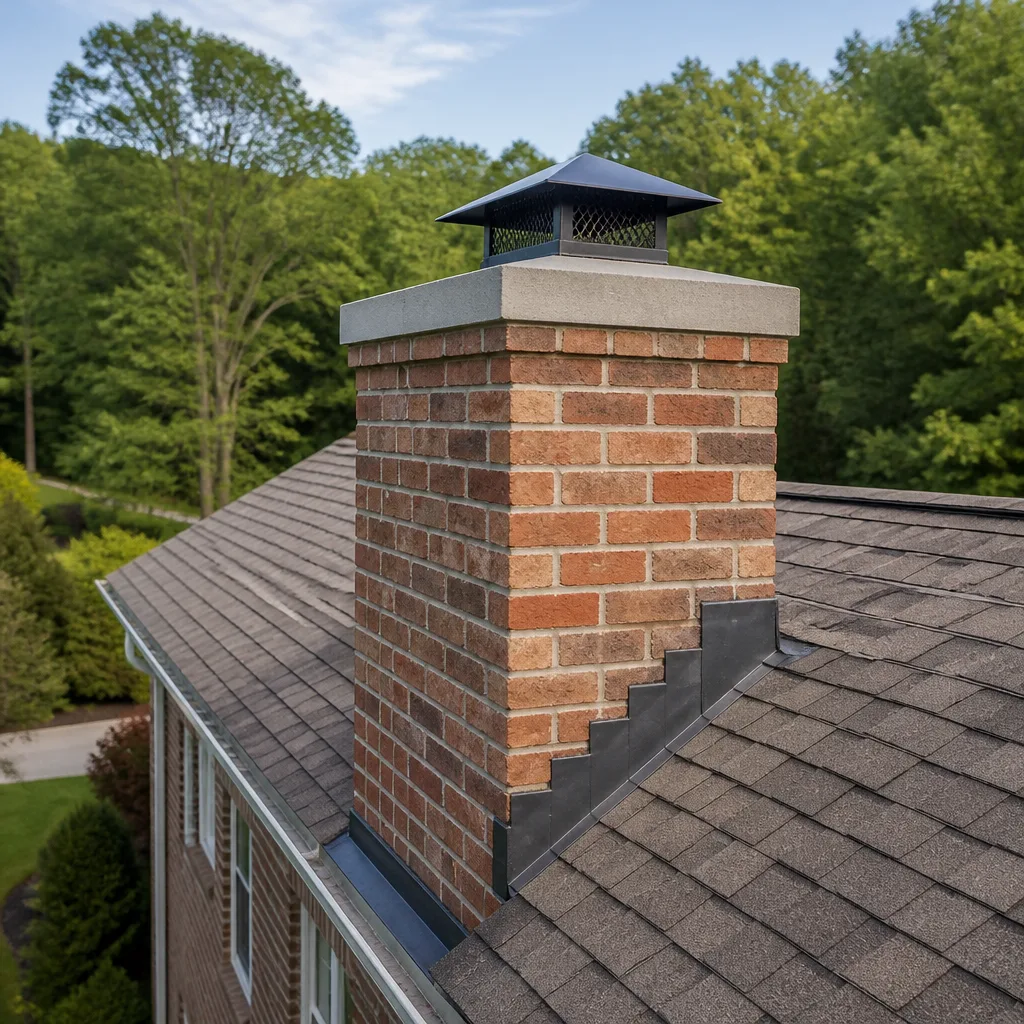 Caps & crowns
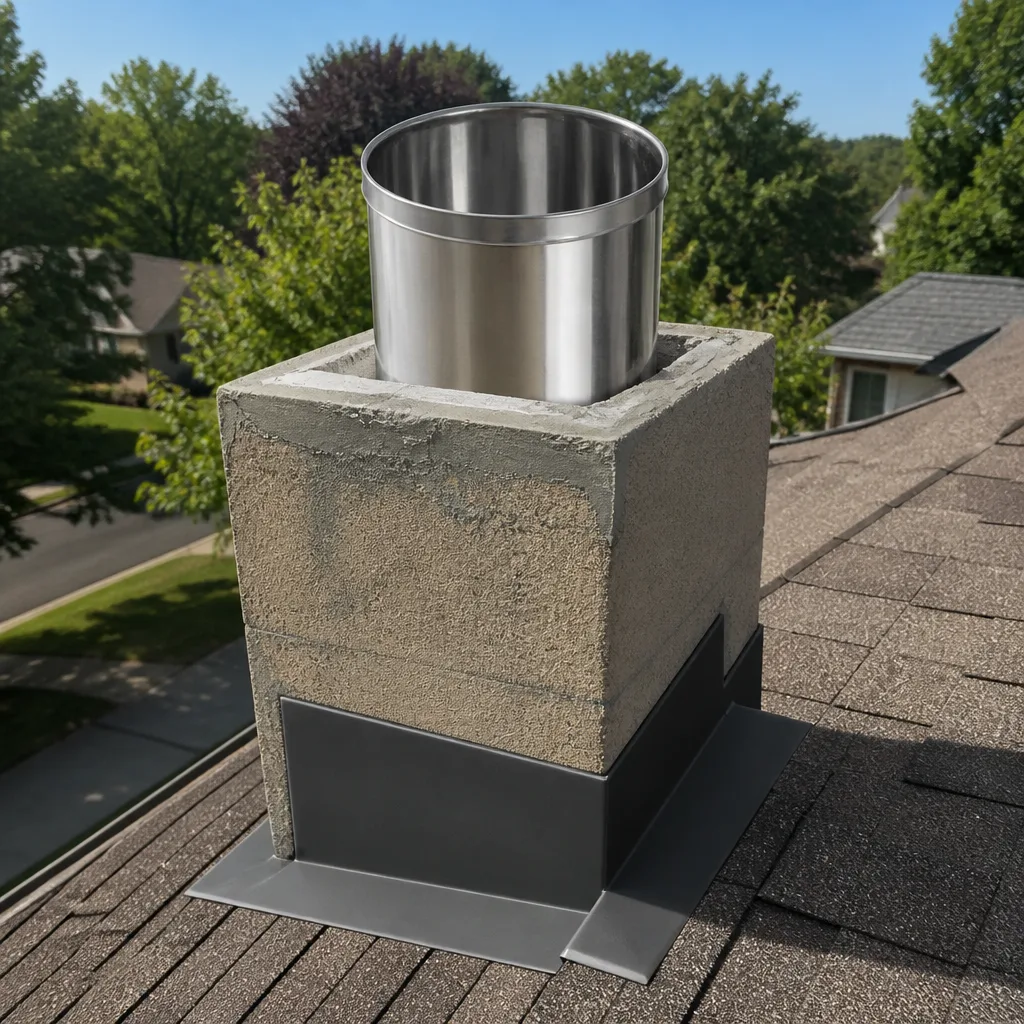 Flue relining
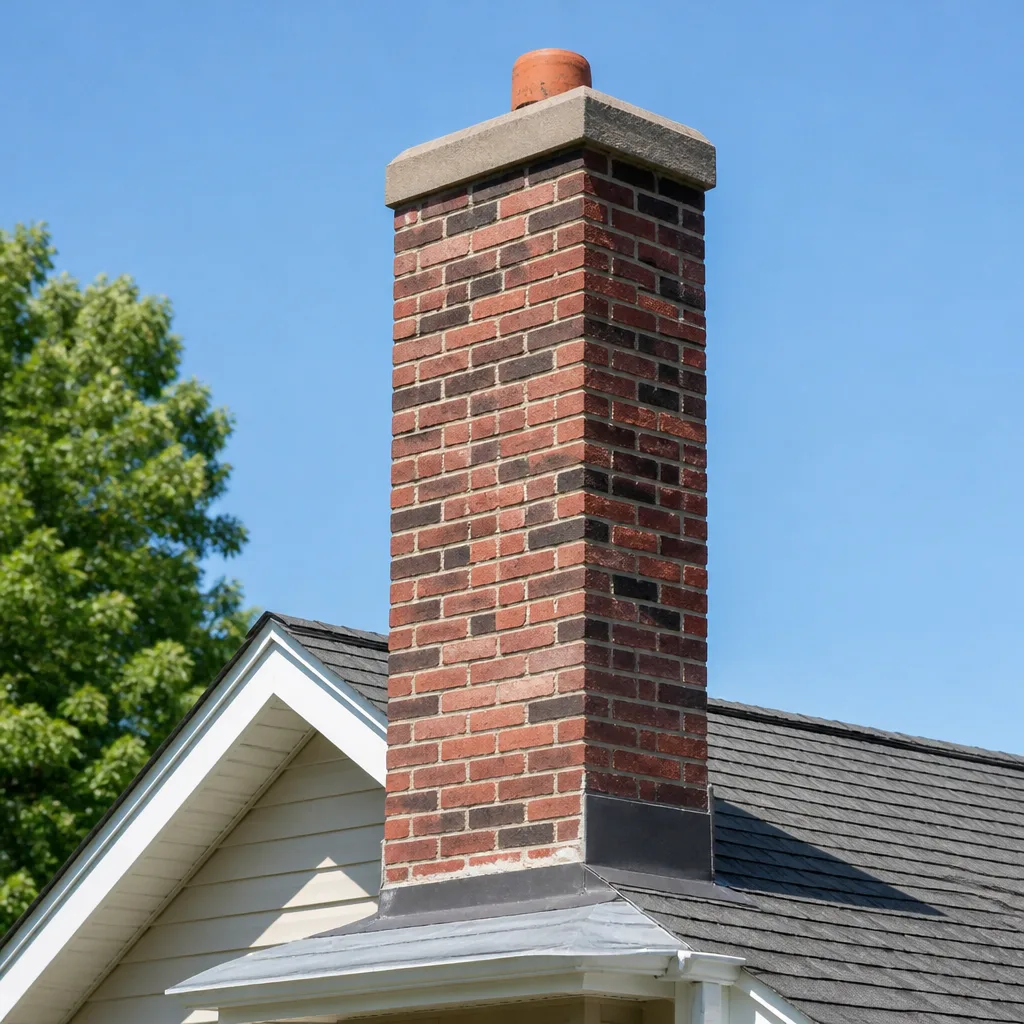 Masonry repair
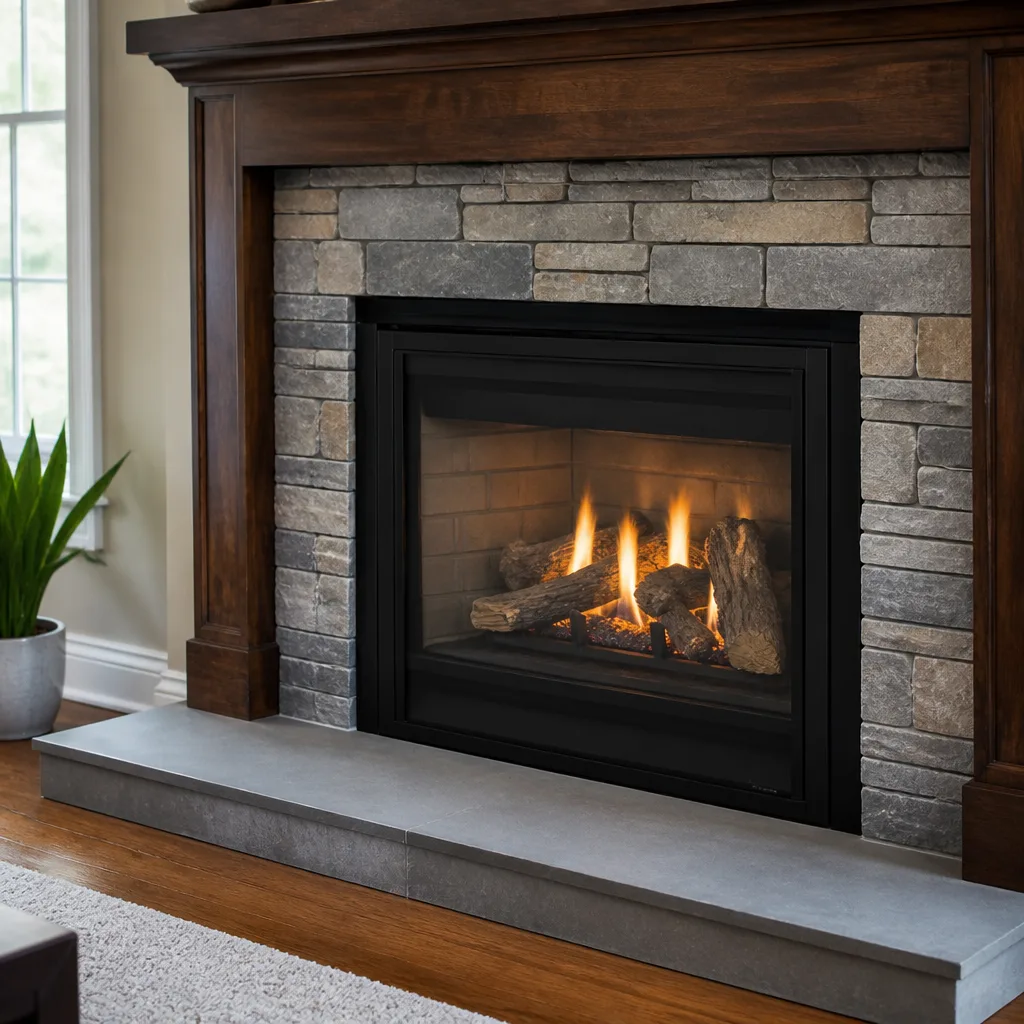 Gas fireplace service
Level 1 sweep and inspection to the NFPA 211 annual standard - flue, crown, cap, and flashing checked and photographed
Chimney sweep logs do not sweep chimneys. They loosen some creosote - which then falls where a brush and vacuum still have to collect it.
Chimney Cleaning Cost Breakdown: The Sunnyside Homeowner’s Reference for 2026
A $99 chimney sweep quote and a $350 chimney sweep quote are rarely for the same service. Most homeowners compare the bottom line and pick the smaller number, but the difference between those two prices usually lives in details the quote never explains: how long the technician is actually on the roof, whether the flue gets a real inspection or a flashlight glance, who hauls the soot away, and whether the price includes anything after the cleaning. In Sunnyside, where attached rowhouses and shared chimney stacks change how a sweep has to be done, those details matter more than they do in a detached suburban house. This guide breaks cleaning costs into their real components so you can audit any quote you receive instead of guessing.
Quick Answer
A standard chimney cleaning in Sunnyside generally runs on labor time, equipment, soot disposal, and the level of inspection included, and the written estimate you receive should itemize each of those parts rather than hand you one lump number. The advertised price you see is usually the cleaning only, with inspection, access work, and any repair quoted separately once the technician is on the roof. A quote that separates those components is easier to trust than one that doesn’t, because you can see exactly what you’re paying for and what you’re not.
Styles & brands we work with
- Sweep & inspection
- Caps & crowns
- Flue relining
- Masonry repair
- Gas fireplace service
Table of Contents
- What Are the Actual Cost Components of a Chimney Sweep?
- What Does Chimney Cleaning Typically Cost in Queens?
- Why Does Roof Access Cost More in Sunnyside’s Rowhouses?
- What’s the Difference Between a Level 1, Level 2, and Level 3 Inspection?
- How Are Repair Add-Ons Priced, and When Should You Walk Away?
- What Do “Chimney Cleaning Specials” Usually Exclude?
- How Do You Audit a Chimney Quote Line by Line?
- How Often Should a Sunnyside Chimney Be Cleaned?
What Are the Actual Cost Components of a Chimney Sweep?
A chimney cleaning price is built from four parts: labor time, equipment and materials, soot and debris disposal, and the level of inspection bundled in. When you understand each part, an unusually low quote stops looking like a bargain and starts looking like a quote with something missing.
Labor time is the biggest driver. A straightforward sweep on an accessible flue takes a technician a set block of time, and that block grows with the number of flues, the amount of creosote, and how much roof work is involved. A house with one flue and a clean firebox is a different job from a rowhouse with two flues and a capped crown that hasn’t been opened in years.
Equipment and materials covers the brushes, rods, drop cloths, vacuum, and any consumables used on the job. Professional sweeps use chimney-specific vacuums with HEPA filtration so soot doesn’t drift into your living room. That equipment costs money to run and maintain, and it shows up in the price.
Disposal is the part homeowners forget. Creosote and soot have to be bagged and removed, not swept into a bin and left for you. It’s a small line item, but a quote that omits it is a quote that’s planning to leave the mess behind.
Inspection level is where the real spread shows up. A “sweep” that includes a basic visual check is one price. A sweep paired with a proper inspection that documents what the technician sees is another. That difference is worth understanding before you compare numbers, and it’s why we always explain what inspection level a cleaning includes.
The other thing to know about the four components is that they scale with the job, not with the neighborhood. Two Sunnyside homes on the same block can have very different chimney conditions based on how often each fireplace is used, what’s burned, and how the stack has weathered. A real quote is built for your specific flue, not pulled from a flat price sheet.
What Does Chimney Cleaning Typically Cost in Queens?
Chimney cleaning in Queens sits in a middle band: more than a rural sweep, less than a Manhattan brownstone job, because the housing stock here means more rowhouses, more shared stacks, and more roof access work than a suburban house on a standalone lot. The prices below are typical estimated ranges for the work described, and the written estimate sets the final price.
| Service Component | Typical Estimated Range |
|---|---|
| Standard sweep, single flue, straightforward access | Entry-level residential range |
| Sweep with same-visit visual inspection report | Mid residential range |
| Multi-flue sweep (two or more flues) | Higher residential range |
| Roof access complexity surcharge (steep pitch, awkward ladder set, capped crown) | Modest add-on, itemized separately |
| Level 2 inspection with camera | Standalone inspection range |
| Cap and crown replacement | Quoted per job after inspection |
| Liner restoration (e.g., HeatShield) | Quoted per job after camera review |
We’ve kept those ranges deliberately broad because the honest answer is that a cleaning price depends on the flue in front of the technician, not the zip code. What you should expect from a legitimate quote is specifics: how many flues are covered, what inspection level is included, whether roof access is priced separately, and what happens to the debris. If any of those is missing, ask before you book.
Queens rowhouse stock is a big part of why prices here cluster the way they do. Older masonry chimneys in attached buildings often have shared structural elements, and a technician may need to work around a neighbor’s roofline to reach the flue. That’s normal, and a professional sweep in Sunnyside will price it into the estimate rather than surprise you on the roof. Capped crowns and tight flue tiles add time the same way.
One caution: prices you see quoted nationally on home-improvement sites rarely account for the rowhouse reality of Queens. Treat those figures as a rough reference, not a benchmark. Your written estimate is the number that matters, and a free estimate gives you a real one before any work starts.
Why Does Roof Access Cost More in Sunnyside’s Rowhouses?
Roof access in Sunnyside’s attached rowhouses is more complex than it looks from the street, and legitimate access surcharges reflect real time and real safety planning, not padding. When a quote includes an access charge, ask what it covers. When a quote doesn’t include one and the roof is difficult, ask why not.
Here’s what actually drives access complexity in a Sunnyside rowhouse:
- Shared rooflines. Attached buildings mean a technician may need to set a ladder away from the chimney and work around a neighbor’s roof edge. That takes longer and requires more careful setup.
- Steep pitches. A steeper roof pitch means more fall-protection setup, more time to stage equipment, and slower work overall.
- Flue placement. Chimneys set toward the rear of a rowhouse or between two rooflines are harder to reach cleanly than a front-facing stack on a standalone house.
- Capped crowns. A crown that’s been capped or sealed for years has to be opened carefully, and the cap is often replaced or serviced at the same visit.
- Multiple flues. A rowhouse with two or three flues takes more than double the time of a single-flue job once setup is factored in.
None of that is a reason to avoid the work; it’s a reason to know what a legitimate access surcharge looks like. It should be itemized, described in words (steep pitch, rear chimney, multi-flue), and included in the written estimate before you book. If a quote has a flat “access fee” with no explanation, that’s a quote you should push back on.
Access also affects what inspection level is practical. A technician who can reach the roof safely can do a proper visual check from the top, which is where most chimney problems are actually seen. If roof access is genuinely unsafe, a Level 2 inspection with a camera becomes the right tool, and the cost shifts accordingly. We’d rather tell you that on the front end than have you wonder later why the price changed.
What’s the Difference Between a Level 1, Level 2, and Level 3 Inspection?
The three inspection levels exist because a chimney can be checked in fundamentally different ways, and each level answers different questions. A Level 1 is a visual check of readily accessible parts. A Level 2 adds a camera to see inside the flue. A Level 3 opens up concealed parts of the chimney and is only done when a lower level can’t answer the question.
Level 1 inspection. This is the basic visual check that’s typically included with a routine cleaning. The technician looks at the firebox, damper, smoke chamber, flue from accessible points, and cap. It answers the question “is this chimney safe to use right now?” and it’s appropriate when nothing has changed in the system and you haven’t had a chimney fire, a liner change, or a fuel change.
Level 2 inspection. This adds a camera run inside the flue, which reveals what the eye can’t see: cracks in the liner, gaps in the flue tile joints, and hidden creosote buildup. A Level 2 is the right call when you’ve moved into a new home, changed what you burn, added a wood insert or new appliance, had a chimney fire, or noticed a performance change. Most older chimneys in Sunnyside benefit from a Level 2 at least once, because the flue tile in a historic masonry chimney has often had decades of heating and cooling cycles.
Level 3 inspection. This is the most involved and typically requires opening concealed parts of the chimney, such as removing a wall section or crown, to see what no camera can reach. Level 3 is done when a Level 1 or Level 2 has identified a problem that has to be confirmed before a repair, and it’s priced per job because the extent of access varies so much.
Why does this matter for cost? Because the level of inspection is often the single largest unstated variable in a cleaning quote. A $99 special that includes only a Level 1 glance is a very different service from a cleaning that includes a documented Level 2 with camera evidence. Neither is wrong, but you should know which one you’re buying. If you’re uncertain, a free estimate is the right time to ask, and our chimney sweep visit can include whatever inspection level your chimney needs.
How Are Repair Add-Ons Priced, and When Should You Walk Away?
Repair add-ons are priced per job after the technician has seen the actual condition of the chimney, and any legitimate quote for repair work should itemize the specific component being repaired. A quote that bundles cleaning and repair into one number without separating them is a red flag, because you can’t see what’s cleaning and what’s repair.
Here’s how the major repair categories break down in a quote:
- Caps and crowns. A cap protects the flue from rain, animals, and debris; a crown is the masonry top of the chimney that sheds water. Both are priced by the component, and a legitimate quote names the product line used, such as a Famco or Copperfield cap. The cap and crown job is a defined scope, so the quote should be too. Our chimney cap & crown page explains what the work involves.
- Liner restoration. A deteriorating flue interior doesn’t always need a full rebuild. HeatShield liner restoration resurfaces the inside of the flue, and it’s a repair option many sweep-only crews can’t offer because they don’t carry the material or the qualification. If a quote jumps straight to a rebuild, ask whether HeatShield restoration was considered.
- Full liner replacement. When the flue interior is too far gone for resurfacing, a full liner made from a DuraFlex or Olympia Chimney product becomes the answer. Liner replacement is priced per job by length and by the flue configuration, and it should be quoted after a camera review you can see the results of.
- Sweeping plus repair. When the work includes both, each piece should be a separate line on the estimate. That way, if you decide to defer the repair, you can still get the cleaning done and know exactly what the repair costs on its own.
Our rule is simple: nothing gets recommended without camera evidence you can see yourself, and we say plainly when a repair can safely wait. If a technician tells you the liner is failing and can’t show you why, walk away. If they can show you, you have a genuine decision to make, and our chimney repair work is priced against what the camera actually shows. A free estimate gets you that information before any money changes hands.
What Do “Chimney Cleaning Specials” Usually Exclude?
“Chimney cleaning specials” typically exclude the inspection, the roof access work, the debris disposal, and every repair the technician finds once they’re on the roof. That doesn’t make the special dishonest, but it does mean the advertised price is a starting point, not a total. The real cost of the special is the special plus whatever the visit actually needs, and that’s the number to compare against other quotes.
Here’s how to calculate the true cost of a low advertised price:
- Add the inspection level. If the special covers a cleaning with a basic visual check only, and your chimney needs a Level 2, add that separately.
- Add the access work. If roof access in your Sunnyside rowhouse is complex, add whatever the access charge would be.
- Add disposal and materials. If the special doesn’t cover debris removal, add it.
- Compare to a full-scope cleaning quote. A quote that includes the cleaning, the appropriate inspection, access, and disposal gives you a cleaner comparison than the special on its own.
What usually happens is that the special and the full-scope quote land closer together than the advertising suggests, once everything is counted. The special just does it in stages. When you’re evaluating a special, ask three questions: what inspection level is included, is roof access priced separately, and is debris removal included. The answers tell you what you’re actually comparing.
One thing we’d add: specials often work best for homeowners who already know the condition of their chimney and are confident it needs only a routine sweep. If you’re new to the home or haven’t had the chimney checked in years, a full-scope estimate is the better starting point, because it includes the information you’ll need to plan any repair work.
How Do You Audit a Chimney Quote Line by Line?
You audit a chimney quote by checking that it states the number of flues, the inspection level, the access work, the disposal, and the itemized repair components if any. If those five things are present and the numbers are explained, the quote is comparable. If any of them are vague or missing, ask for them in writing before you book.
Here’s the checklist we’d suggest running every quote through:
- Number of flues. Is the quote for one flue or all of them? A rowhouse with two or three flues needs a quote that names the count.
- Inspection level. Level 1, 2, or 3? A quote that doesn’t say is a quote that can’t be compared.
- Access work. Is roof access included, and does the quote describe the access conditions in writing?
- Disposal. Is soot and debris removal included, or will it be left behind?
- Repair components. If the quote includes repair, is each repair itemized with a named product line such as Famco, Gelco, or HeatShield?
- Evidence. Will you see camera photos or a written report for any inspection beyond Level 1?
- Final price. Does the written estimate set the final price, or is it a range subject to “surprises”?
That checklist is why we handle the full chimney system, from firebox to cap, in one place. When the same team that inspects your chimney also does the repair, the quote has fewer blanks in it. If you’re comparing us to a sweep-only outfit, run both quotes through the checklist and see which one answers more of the questions.
A free estimate makes this easier, because you get the written document in hand before you commit. Chimney Sweep Sunnyside offers that, and we’d rather walk through the components with you than have you compare numbers you can’t evaluate.
How Often Should a Sunnyside Chimney Be Cleaned?
Most Sunnyside chimneys should be swept once a year if the fireplace is used regularly, and more often if you burn frequently or burn wood that creates heavy creosote. The single most useful rule of thumb is to get the chimney checked before each heating season starts, so any repair has time to happen before you need the fireplace.
Frequency depends on how much wood you burn and what kind. A fireplace used a few times a month builds creosote slowly; a fireplace used daily through the winter builds it quickly, and heavy creosote is the condition that makes cleaning and inspection most urgent. If you’re uncertain how much buildup your chimney has, an inspection answers it directly.
Sunnyside’s seasonal rhythm is relevant here. Fall is when most homeowners start thinking about the fireplace, so estimates book up. Getting the sweep and inspection done before the heating season gives you a calmer timeline and a clearer picture of what, if anything, needs repair. Wait until you’re cold and the schedule gets tighter.
Beyond frequency, the condition of the chimney matters. A capped flue with a sound crown holds up better than one that’s been open to the weather. If your crown is cracked or your cap is missing, the water that gets in can do damage between cleanings. Cap and crown work done in good time saves more expensive repairs later.
If it’s been a while since the last cleaning, don’t guess at the condition; get it inspected. A free estimate gives you the answer and the written quote together, so you can plan the work on your own schedule. If you’re ready, call (833) 472-1614. We answer 24/7. Fast dispatch from 7am to 7pm, Sunday through Friday.
Common Mistakes to Avoid
- Comparing bottom-line prices without comparing scope. A $99 quote and a $350 quote can be for entirely different services. Read the number of flues and the inspection level before you compare the totals.
- Sunnyside’s attached buildings mean access work is often real, and a quote that leaves it out is likely to add it later. Ask up front.
- Accepting a bundled cleaning-and-repair quote without itemization. If you can’t see what the cleaning costs separately from the repair, you can’t evaluate either. Ask for them split.
- Taking a low special at face value. The special is usually the cleaning only. Add inspection, access, and disposal before deciding whether it’s actually cheaper.
- Skipping the camera inspection on an older chimney. Visual checks don’t reveal cracks inside the flue. If you haven’t had a Level 2 inspection, you’re working from incomplete information.
- Letting a cracked crown or missing cap go unrepaired between cleanings. Water entering the chimney between cleaning visits is one of the most common causes of avoidable damage.
- Deferring a cleaning because the fireplace “seems fine.” A chimney that drafts poorly or smells odd may be telling you something. A cleaning and inspection is the way to find out.
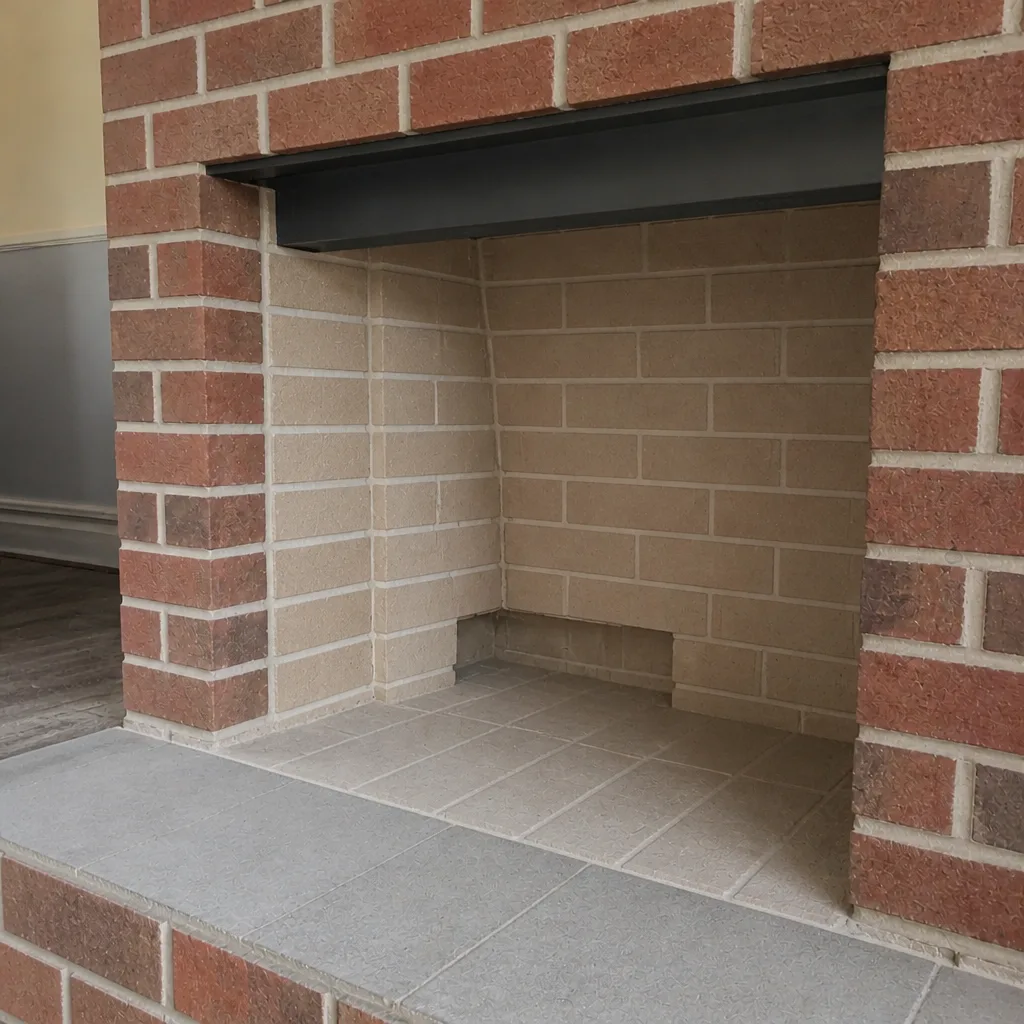
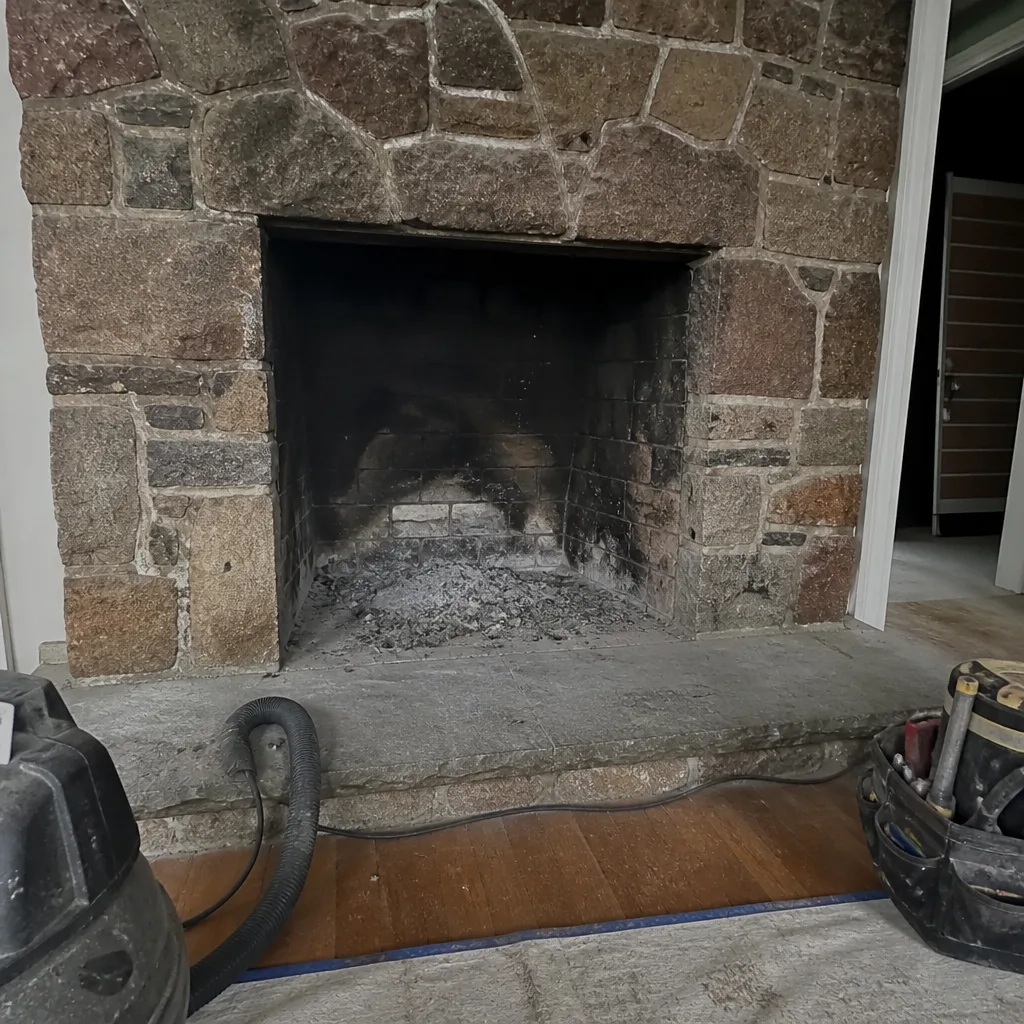
See the difference
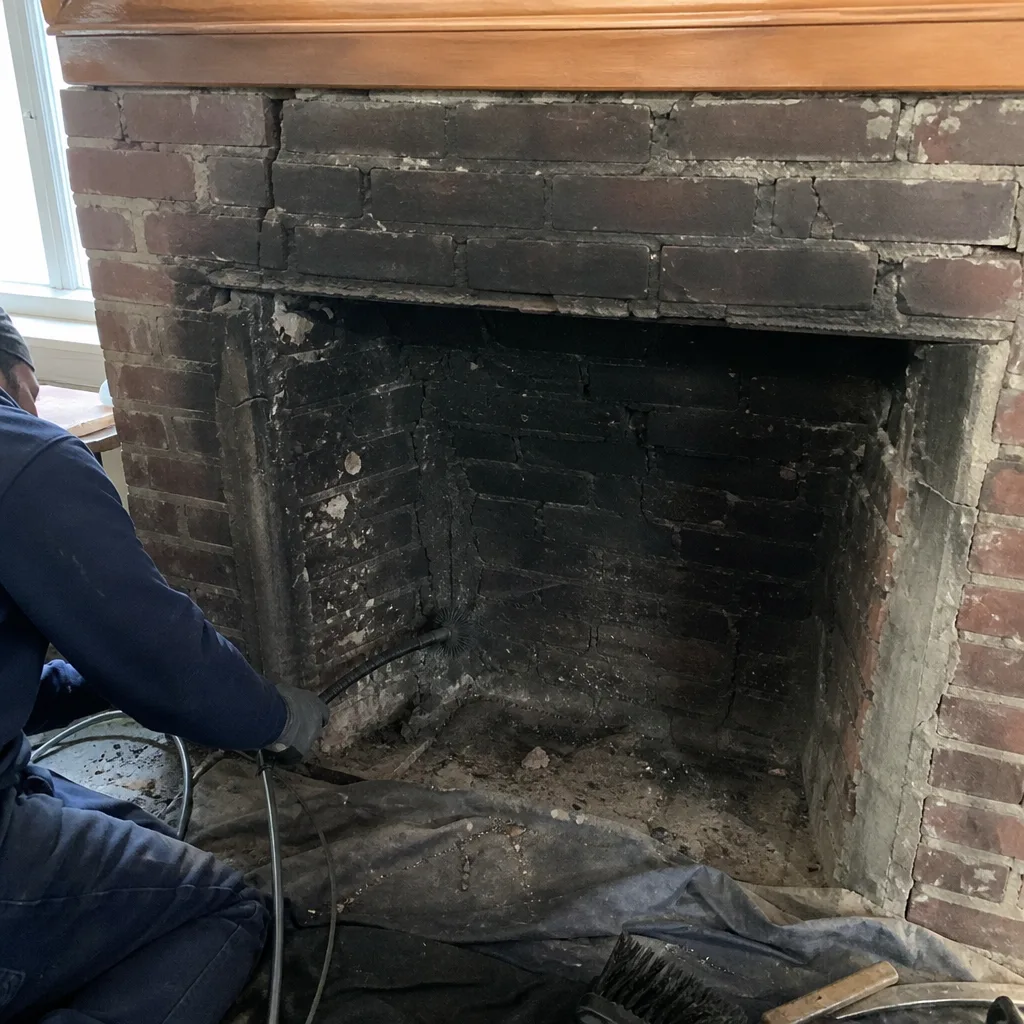 Before
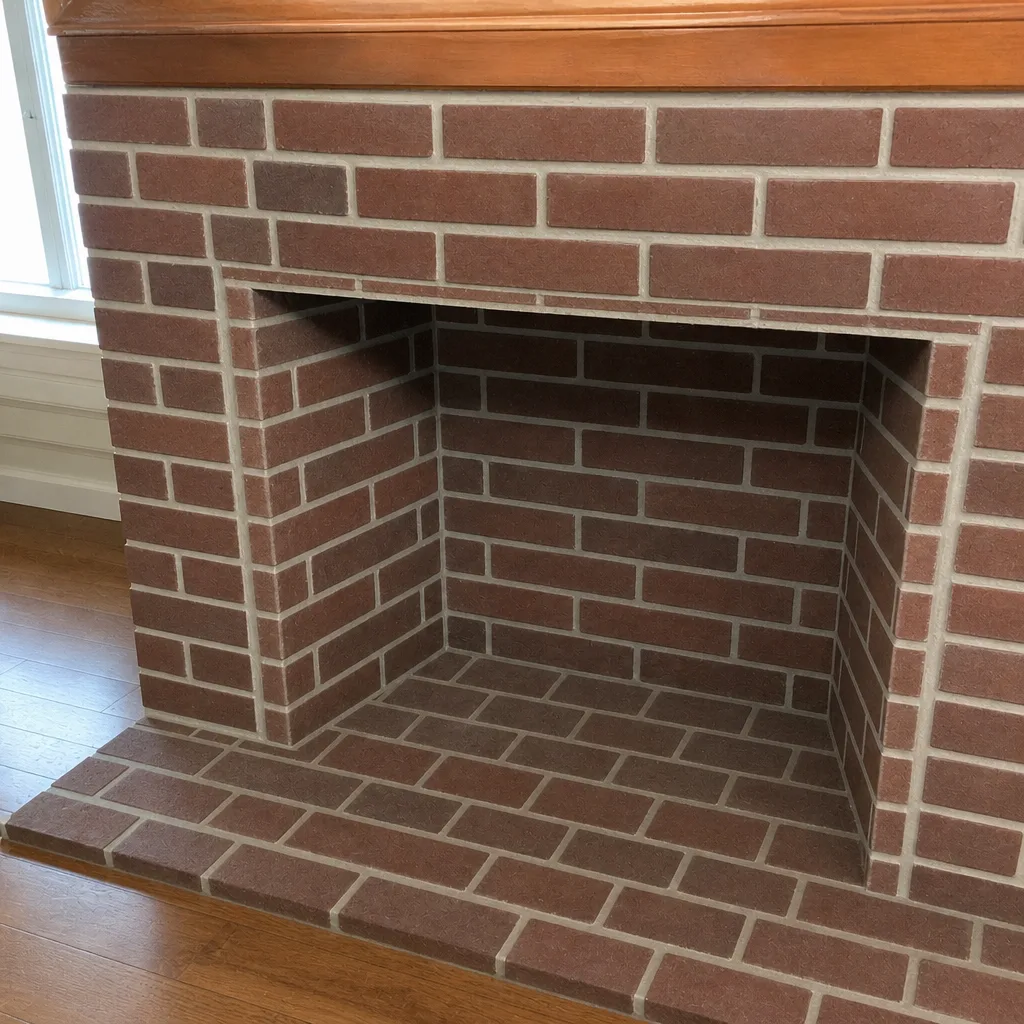 After
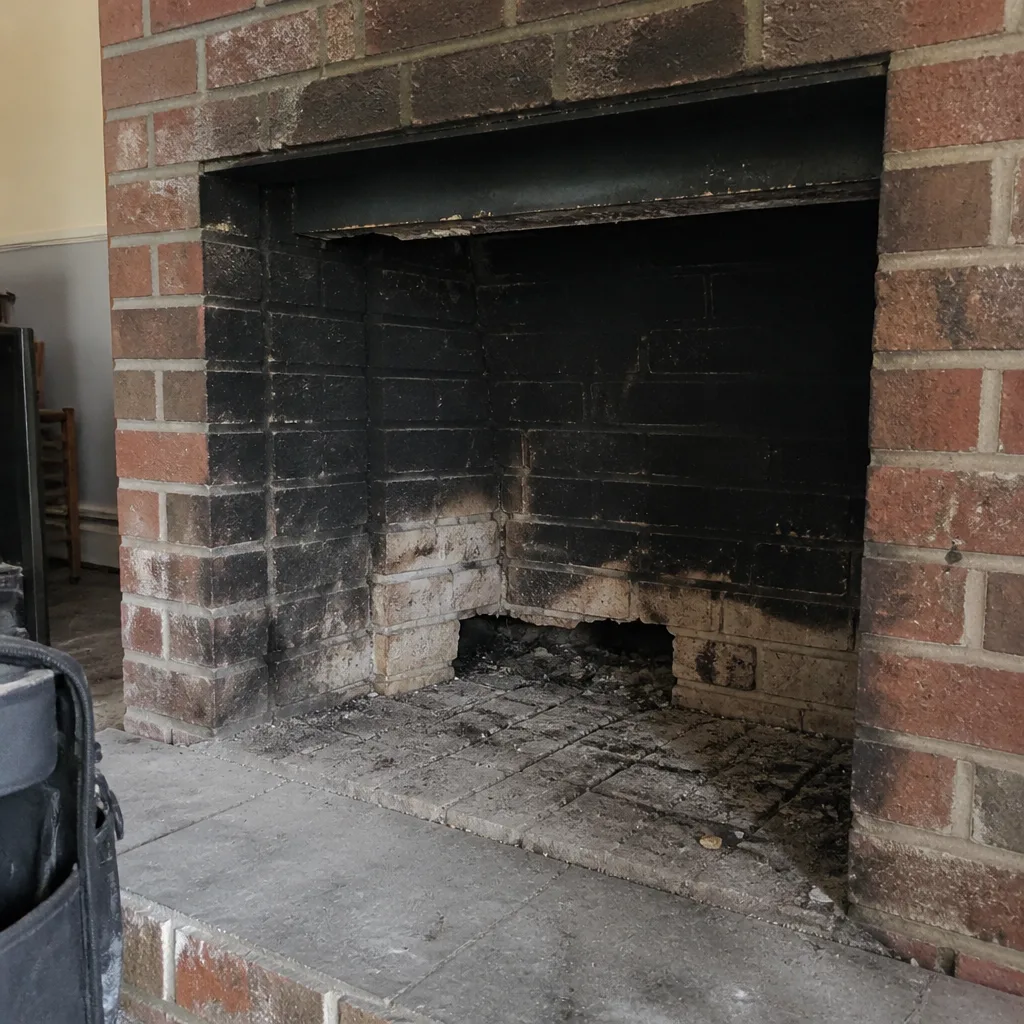 Before
 After
 Before
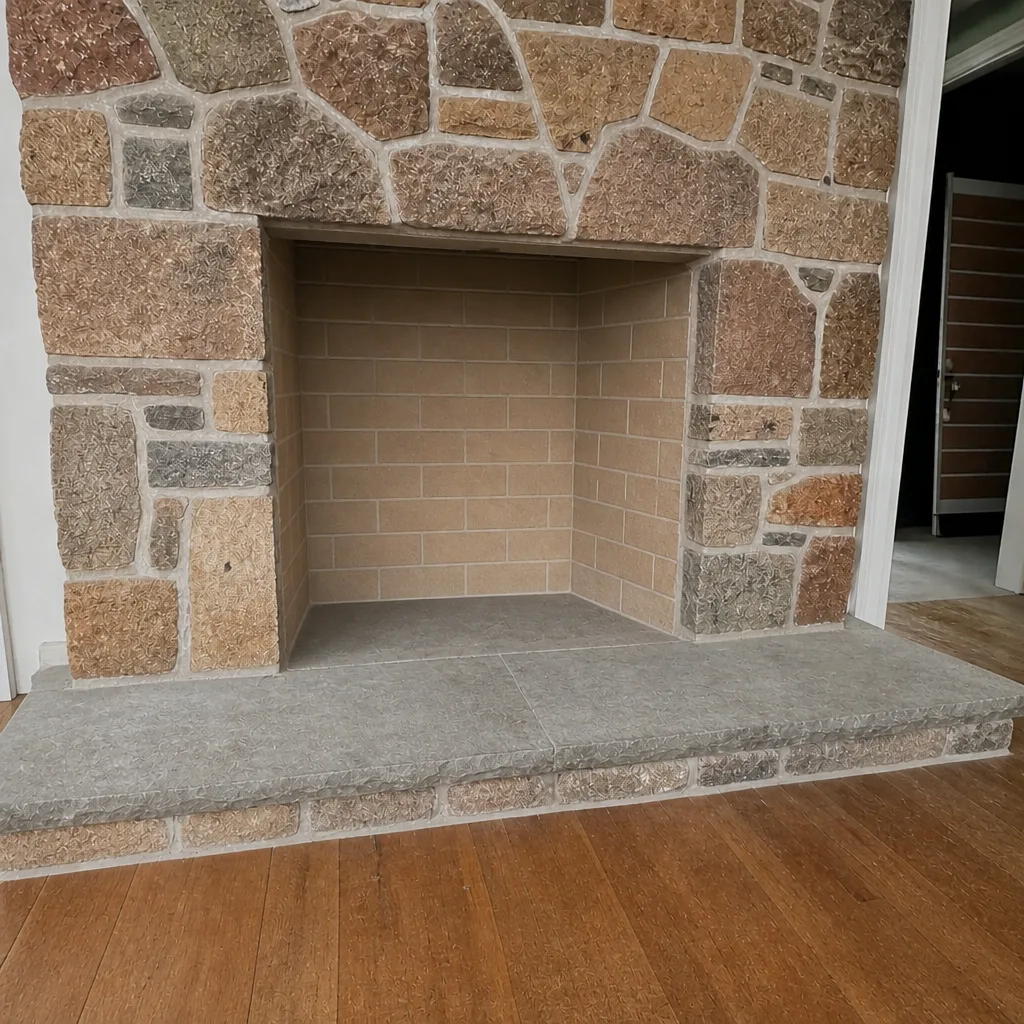 After
When to Call a Professional
Call a professional when it’s been a year or more since your last cleaning, when you’ve moved into a new home and don’t know the condition of the chimney, when you’ve changed what you burn or added a new appliance, or when you notice a change in how the fireplace performs. Smoke backing into the room, a persistent odor, or visible cracks in the firebox are all reasons to get the chimney looked at. Roof access in a Sunnyside rowhouse is also a good reason to call rather than climb: the shared roofline and steep pitches are a job for someone with the right equipment and fall protection. Chimney Sweep Sunnyside offers free estimates in Sunnyside. Call (833) 472-1614. We answer 24/7. Fast dispatch from 7am to 7pm, Sunday through Friday.
Frequently Asked Questions
Chimney cleaning in Sunnyside is priced by the components of your specific job: the number of flues, the inspection level, the roof access work, and the debris disposal. A standard single-flue sweep with a basic visual check costs less than a multi-flue sweep that includes a Level 2 camera inspection, and the written estimate sets the final price. Call (833) 472-1614 for an exact quote. Estimates are free.
Chimney cleaning specials usually cover only the cleaning itself and leave out inspection, roof access, and disposal, so the real cost is the special plus whatever the visit actually needs. Add those items to the advertised price and compare it against a full-scope quote before you decide. If the special still works out, it’s a genuine saving; if it doesn’t, you’ve avoided a surprise.
Once a year is the right rhythm for most Sunnyside chimneys that are used regularly, and more often if you burn frequently or burn wood that produces heavy creosote. The best time is before the heating season, when repairs still have room on the calendar. If you’re not sure when your last cleaning was, an inspection settles it.
A Level 1 is a visual check of accessible parts and is usually included with a routine cleaning; a Level 2 adds a camera run inside the flue and is a standalone service with its own price. The Level 2 matters when you’ve moved into a new home, had a chimney fire, or changed appliances. If you’re unsure which your chimney needs, mention it when you call for the estimate.
Restoration is often an option before replacement, and HeatShield resurfacing is the process that makes it possible for a deteriorated flue interior. Whether it fits your chimney depends on what the camera shows, and you should see that footage before agreeing to anything. If a full rebuild is being recommended, ask whether HeatShield was considered first.
We’re closed on Saturday and open Sunday through Friday, 7am to 7pm, so a call outside dispatch hours is booked into the next opening. Call (833) 472-1614 and we’ll find a slot that works. We answer 24/7.
The Bottom Line
Chimney cleaning costs are not one number, and the sooner you can see the components behind a quote, the better your decisions get. Labor, equipment, disposal, inspection level, and roof access are the five things that explain almost every price difference between two Sunnyside quotes. When a quote itemizes those five and names the product lines used for any repair, you can compare it honestly. When it doesn’t, ask. The written estimate is the final price, the estimate is free, and a camera record of what your chimney actually looks like is worth more than any advertised special. Call (833) 472-1614 to book yours. We answer 24/7. Fast dispatch from 7am to 7pm, Sunday through Friday.
Written by the team at Chimney Sweep Sunnyside.