
Last updated November 25, 2026
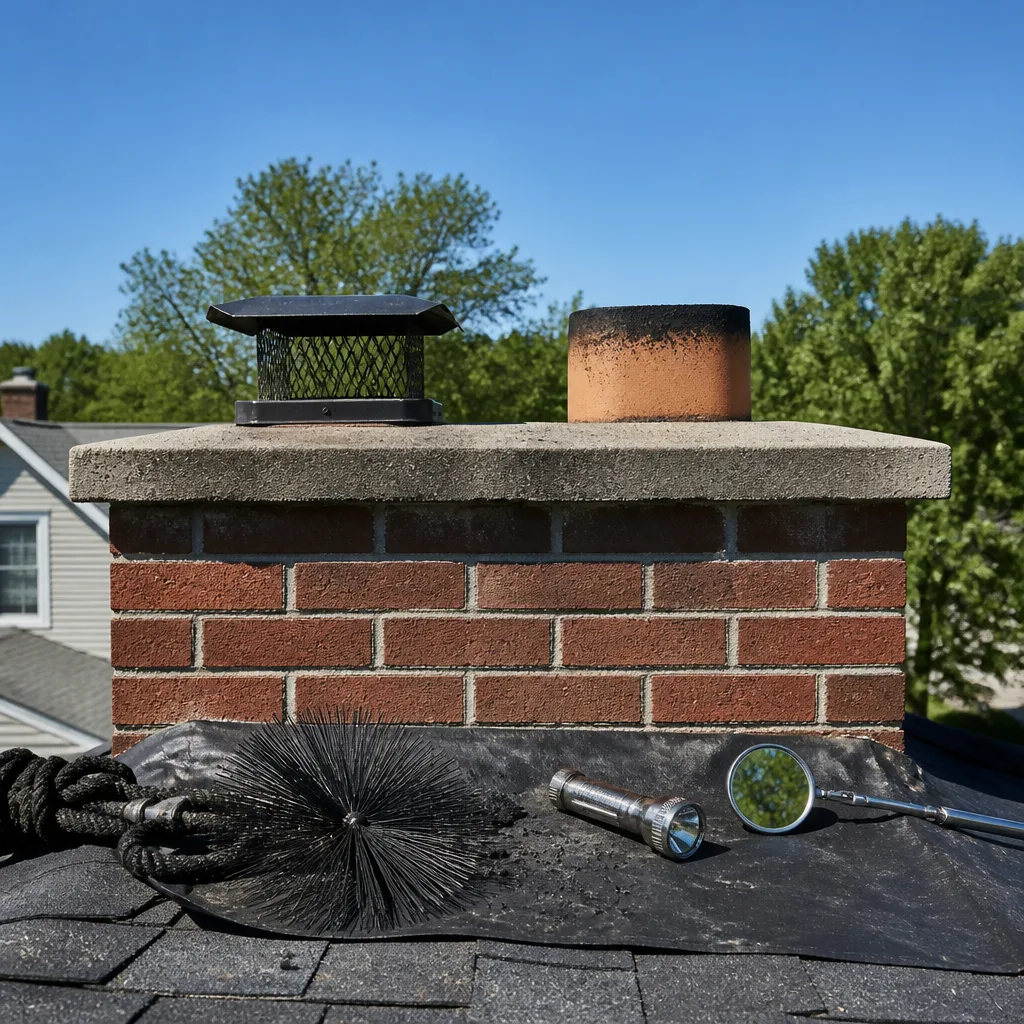 Sweep & inspection
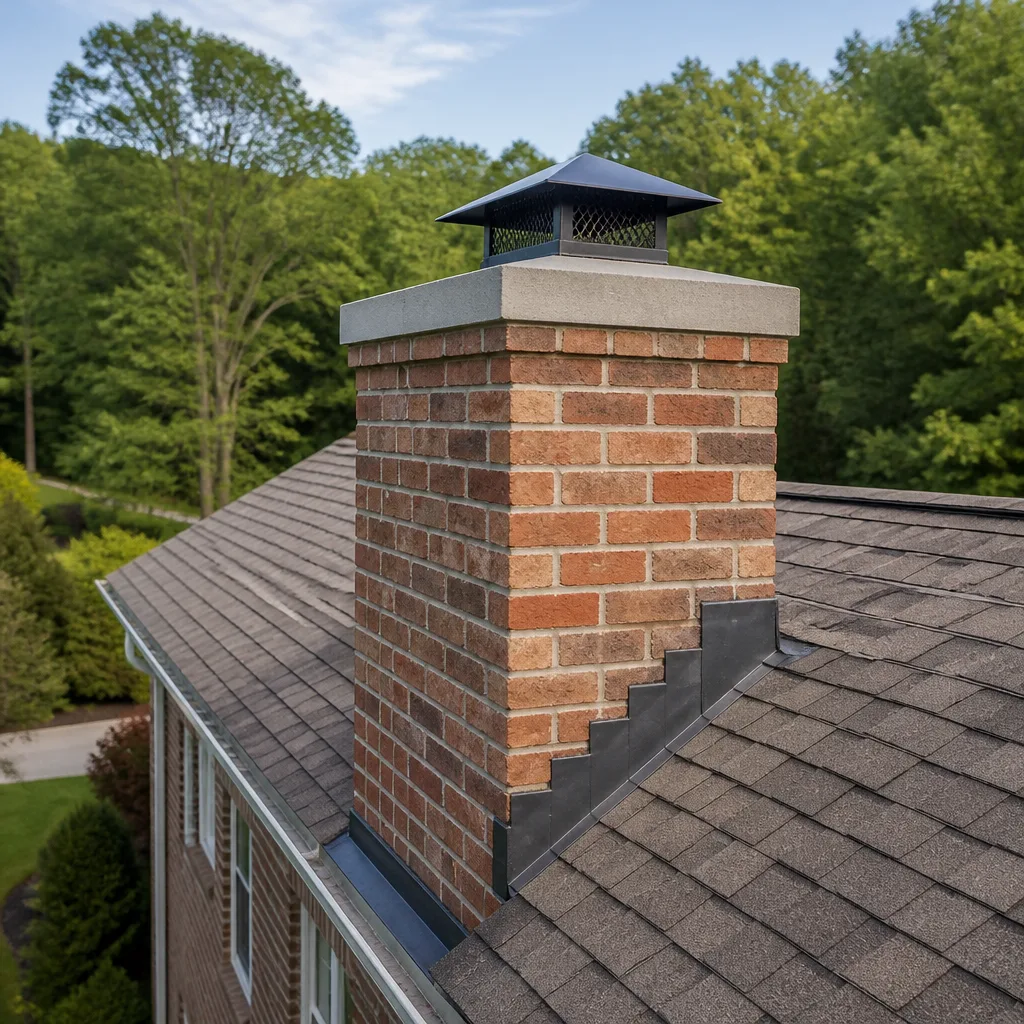 Caps & crowns
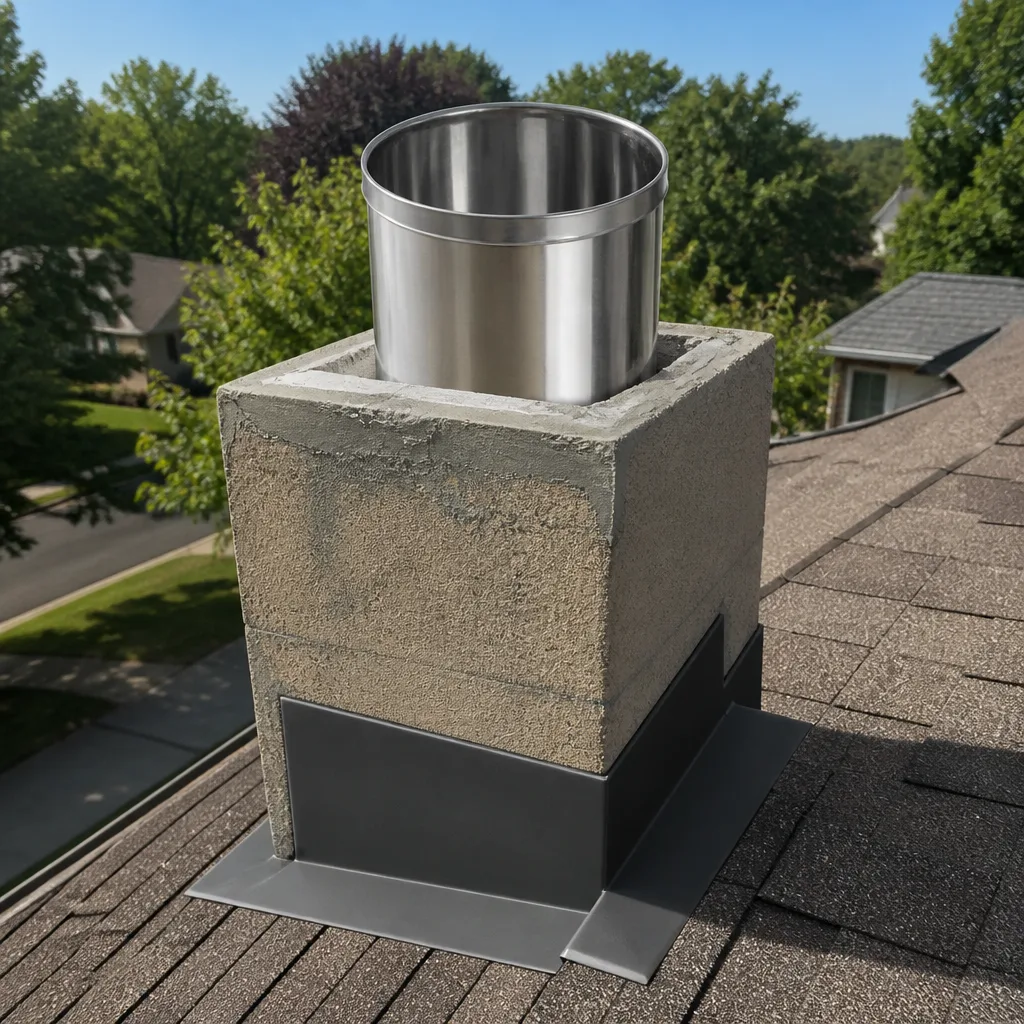 Flue relining
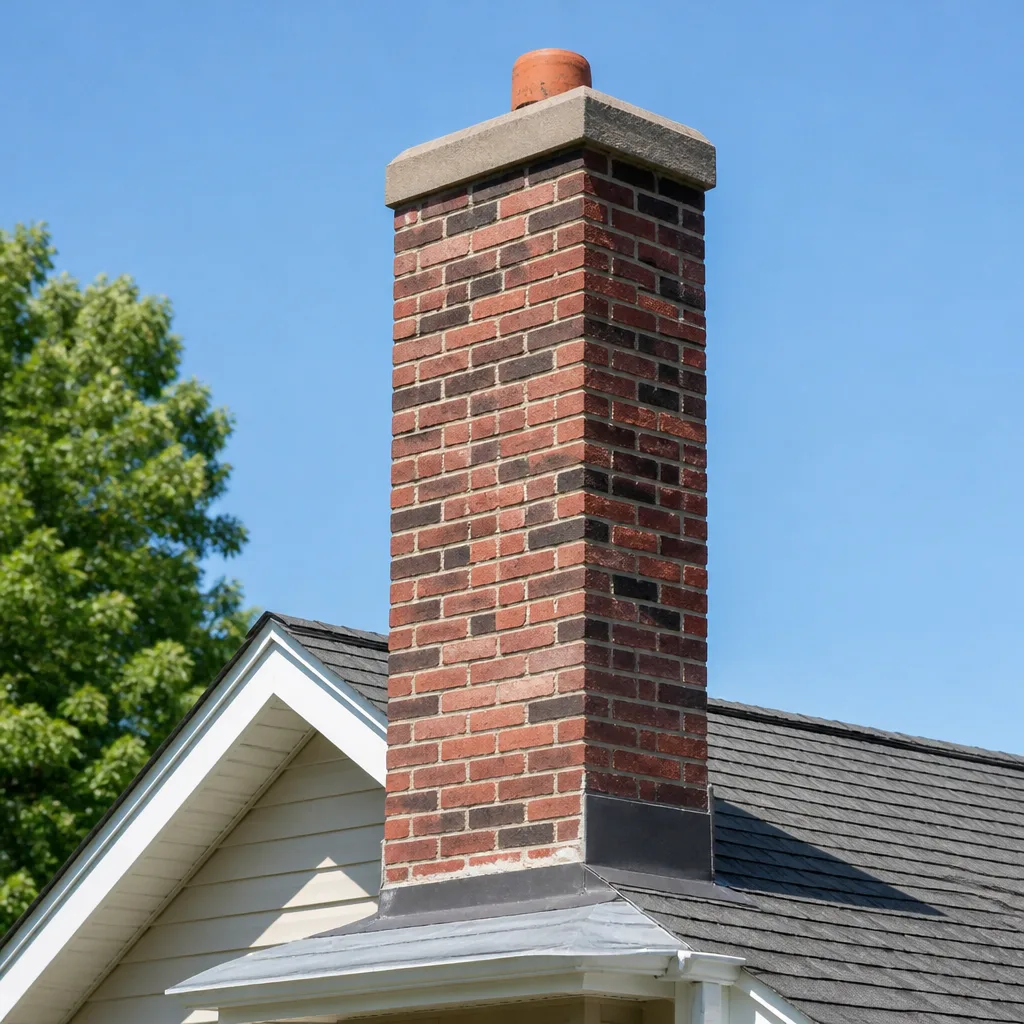 Masonry repair
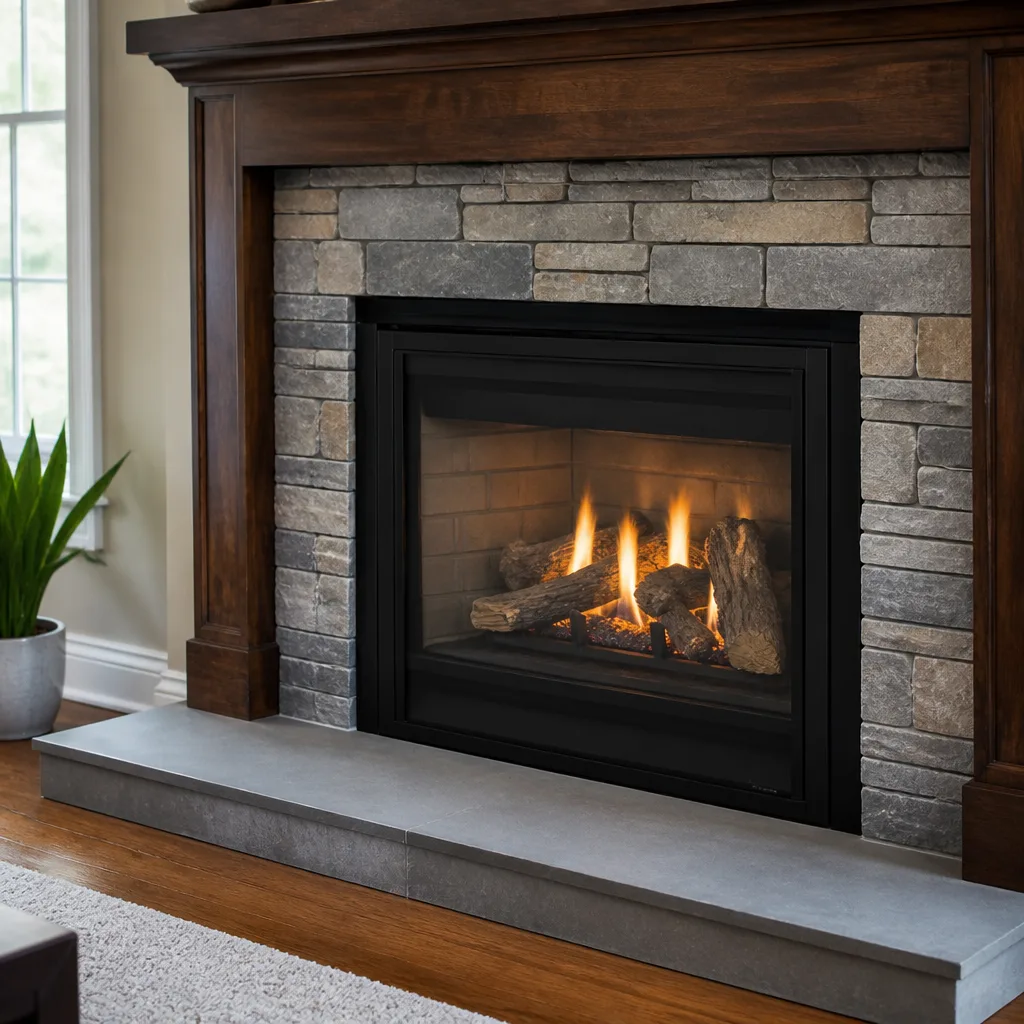 Gas fireplace service
Level 1 sweep and inspection to the NFPA 211 annual standard - flue, crown, cap, and flashing checked and photographed
Chimney sweep logs do not sweep chimneys. They loosen some creosote - which then falls where a brush and vacuum still have to collect it.
Chimney Cleaning Emergency Preparedness Guide for Sunnyside Homes
Most chimney fire advice assumes you live in a house with space around it. In Sunnyside, that assumption breaks down fast. When your flue shares masonry with the unit next door, heat moves through brick and block into walls that aren’t yours, and what starts as your problem becomes a building-wide one. A chimney fire in attached housing doesn’t wait for one household to sort it out. This guide walks through how to recognize an active chimney fire, what to do in the first minutes when neighbors are part of the equation, what FDNY dispatchers need to hear, how to handle the inspection afterward, and how to cut your risk before winter. You’ll finish with a plan you can actually use in Sunnyside.
Quick Answer
A chimney fire in an attached Sunnyside home is a building event, not just a household one. Call 911 first, get everyone out, then alert the units sharing your wall so they can clear out too. After the fire is out, the chimney must be inspected and cleared by a professional before you burn anything again. Preparation means knowing the signs, knowing your neighbors, and having your flue checked before the heating season starts.
Styles & brands we work with
- Sweep & inspection
- Caps & crowns
- Flue relining
- Masonry repair
- Gas fireplace service
Table of Contents
- How Do You Know If Your Chimney Is on Fire?
- The First Five Minutes in Attached Housing
- What to Tell FDNY Dispatch About a Chimney Fire
- Why Shared Walls Change the Risk
- After the Fire: Inspection and Clearance Before Reuse
- Preventing Chimney Fires in Sunnyside’s Older Flues
- Building a Household Chimney Emergency Plan
How Do You Know If Your Chimney Is on Fire?
Most chimney fires aren’t the roaring, roaring-flame event people picture. They’re often quiet, brief, and easy to write off as “the fire was just burning hot tonight.” That misread is the single biggest reason people delay calling. An active chimney fire usually announces itself in more than one way, and the more signals you notice at once, the more certain you should be.
What an Active Chimney Fire Sounds Like
- Roaring or rumbling that sounds like a low-flying plane or a distant train, coming from the chimney rather than the firebox.
- Popping and cracking that continues after you’ve stopped adding wood, sometimes loud enough to hear from another room.
- A tapping or vibrating in the flue itself, often described as the sound of something rattling inside the chimney pipe.
What It Smells and Looks Like
- Dense, dark smoke pushing out of the chimney top and drifting down the roofline instead of rising cleanly.
- A hot, acrid, tar-like smell in the house that isn’t the usual wood smoke.
- Flames or glowing embers visible at the top of the chimney or curling out of the flue cap.
- Creosote flakes falling onto the roof or into the firebox, or bits of the liner landing in the fire.
- Warped or discolored damper, flue cap, or chimney top when you look afterward.
In our experience, attached-housing fires are usually caught by a neighbor before the household inside realizes what’s happening. That’s one more reason your emergency plan has to include the people on either side of you. For a routine annual check that catches creosote buildup long before it becomes a fire risk, our chimney sweep covers the full flue from firebox to cap.
The First Five Minutes in Attached Housing
In a detached house, your first move is to get your family out and call 911. In a Sunnyside rowhouse or semi-attached home, you add two steps: alert the shared-wall neighbors, and shut the fire down at the source so you don’t feed it while you’re outside. Order matters, because every minute you spend on the wrong task is a minute the fire has to work into shared masonry.
- Call 911 immediately. Don’t wait to confirm it’s a chimney fire. Tell dispatch what you observed, then stay on the line until they release you.
- Get everyone out of your unit. No gathering belongings, no second trips. Close the firebox door or damper behind you if you can do it safely on the way out.
- Alert the units sharing your wall. Knock hard, ring the bell, call if you have their number. Tell them there’s a chimney fire and they need to clear out.
- If your chimney has a cap with a spark screen, don’t touch it. Once you’re outside, move away from the building and let FDNY assess the roof and flue.
- Don’t re-enter until the fire department says the structure is clear.
The order that matters most: 911 first, family second, neighbors third. If you alert the neighbor first, you lose the time you’d have spent getting the fire department moving. If you call 911 first, help is on the way while you knock on doors.
What to Tell FDNY Dispatch About a Chimney Fire
The clearer your description, the faster FDNY can slot the right response. Generic “fire in the chimney” calls get triaged with less urgency than a call that names an attached building with shared masonry. Say the important things first, in plain language, and don’t bury them behind a story.
- Say it’s a chimney fire, in an attached building. Those two facts together tell dispatch they’re dealing with potential extension into neighboring units.
- Name the building type. Rowhouse, semi-attached, two-family, three-family. Say it plainly.
- Say whether the smoke is coming from your chimney only or from any part of the roofline. Roof involvement changes the response.
- Give your exact address and the nearest cross street. Sunnyside blocks are short but numbered, and a cross street saves time.
- Mention anyone still inside adjacent units if you know. This is especially important when you’ve alerted a neighbor who might still be moving children or elderly family members out.
- Describe what you saw and heard, not what you think caused it. “Loud roaring in the chimney, black smoke at the cap, neighbor’s unit shares the wall” is more useful than “I think it’s creosote.”
Once you’re off the phone with dispatch, don’t call back to add details unless something changes. Let the crews on scene do their assessment. We always recommend that homeowners write down what they observed before memory softens, because the fire marshal and your insurance will want those details.
Why Shared Walls Change the Risk
Heat transfer through shared masonry is the reason attached housing needs its own emergency approach. A chimney fire can push flue temperatures well past the point where the surrounding brick and block begin to conduct heat into the wall cavity it shares with the next unit. If that wall has any older lining material, cracked mortar joints, or unsealed penetrations, heat finds the path of least resistance. The fire department knows this, which is why an attached-building chimney fire on a Sunnyside block gets a different level of response than a standalone one.
What This Means for Your Plan
- Know which walls you share. Walk your unit and identify the chimneys and flues that aren’t yours but are one wall away.
- Know your neighbors’ contact information. Swap numbers with the units on either side and the unit above or below if you share a stack.
- Understand that your chimney isn’t entirely yours. In some Sunnyside rowhouse layouts, flues from two units share the same chimney stack. Work on one can affect the other.
- Get the flue inspected before you burn each season. A cracked liner in your unit is a fire path into a shared wall in the next. Our chimney repair covers the structural side of that check, including crown, cap, and masonry work when the inspection turns up damage.
Older Sunnyside housing stock often runs brick-and-mortar flues that have been through decades of heating cycles. Those flues are more prone to cracking and joint failure than modern manufactured liners, and a fire in a flue without a sound liner is the scenario that puts adjacent units at real risk.
After the Fire: Inspection and Clearance Before Reuse
Once FDNY clears the scene, the chimney is not ready to use again until a professional inspects it. A chimney fire can leave damage that isn’t visible from the firebox: cracked liner tiles, warped dampers, heat-damaged mortar, or a compromised cap or crown. Lighting another fire on a compromised flue is how a manageable event turns into a repeat fire with worse structural consequences.
What the Post-Fire Inspection Should Document
- The full flue interior, not just a quick look from the firebox. Camera inspection is the only way to see what’s happening inside the full run of the flue.
- Liner condition, including any cracks, spalling, or gaps between sections.
- The crown and cap, both of which take heat damage faster than people expect.
- The firebox and damper, checking for heat warping and any compromised masonry.
- Creosote remaining in the flue. Even after a fire, the third-degree creosote that caused it may still be present in sections the fire didn’t fully consume.
- The shared wall areas you can access, looking for heat penetration signs.
We document inspections with a camera report and photos, so you see what we saw. If the flue interior is deteriorated but not structurally failed, HeatShield liner restoration is often the answer rather than a full rebuild. It resets the flue interior to a safe surface directly, without tearing out surrounding construction, which is exactly what attached-housing repairs call for. Ask us about HeatShield liner restoration before assuming you need a full rebuild. Our chimney repair section walks through what that work actually involves.
Preventing Chimney Fires in Sunnyside’s Older Flues
Most chimney fires come from creosote buildup. In Sunnyside, that buildup happens on a predictable schedule driven by home heating habits and the older flue materials still in service. The households that come through winter with a clean flue are the ones that treat the sweep as a pre-season appointment, not a reaction to a problem.
Where Sunnyside Risk Concentrates
- Burning unseasoned wood. Wet wood throws more creosote than dry wood, and it’s easy to end up with a load that hasn’t dried enough if it wasn’t stacked in advance.
- Throttled air and cool flue temps. Damping the fire too far down for too long in an attempt to make the wood last causes incomplete combustion and heavy creosote deposits.
- Frequent short burns. Weekend-only fire users with a lot of small fires build creosote faster than steady burners because the flue runs cool on every start.
- Older flue liners. Sunnyside’s older housing stock often has brick and mortar flues rather than modern insulated liners. Those surfaces are rougher and hold creosote more easily.
How to Reduce Your Risk
- Schedule a sweep before heating season, not after a problem shows up.
- Burn well-seasoned wood and avoid burning trash, wrapping paper, or green wood.
- Keep the fire hot enough to keep the flue warm, rather than choking it down for hours.
- Have the cap and crown checked annually. A missing or damaged cap lets water and debris in, and both speed liner failure. Our chimney cap & crown work covers the top-of-system repairs that protect the flue below.
- Watch for the signs of buildup between sweeps: reduced draft, a duller fire, or a stronger creosote smell in the house.
When it comes time to rebuild any top-of-system components, we work with Famco and Gelco parts for caps and venting because they hold up to the temperature swings these chimneys see. The parts matter as much as the work.
Building a Household Chimney Emergency Plan
An emergency plan for your Sunnyside home is more than a fire escape route. It’s a small set of decisions planned ahead so that nobody’s making them for the first time while smoke is coming out of the chimney.
- Write down 911 and your neighbors’ numbers and keep them by the fireplace.
- Walk your shared walls and note where each chimney stack runs relative to your unit and the adjacent unit.
- Agree on a meeting point outside, so everyone knows where to check in after clearing the building.
- Sweep before the heating season begins, and keep the inspection report somewhere easy to find.
- Know your flue’s condition, not just its age. A white-glove sweep with a camera inspection gives you a real picture of what you’re working with.
- Review the plan with everyone in the household once a year, before the first burn.
A clean flue is the starting point; a safe chimney system is the goal. That’s why we treat the emergency plan as a whole-system concept: sweep, inspection, repair, and cap all serve the same end. If any part of that system is out of condition, the emergency plan has a gap.
Common Mistakes to Avoid
- Waiting to confirm it’s a fire before calling 911. If the sounds and signs line up, call. Confirmation is the fire department’s job, not yours.
- Skipping the neighbor alert. In attached Sunnyside housing, alerting the shared-wall units can mean the difference between one affected flue and two.
- Re-lighting the fire after a “small” chimney fire without an inspection. The visible fire isn’t the whole story; the damaged liner behind it is.
- Assuming a full rebuild is needed before an inspection. HeatShield liner restoration handles many deteriorated flues without tearing out masonry.
- Getting a clean-fire look but a failing flue. A sweep is a start, but no sweep is meaningful without the inspection that tells you whether the liner behind it can hold up.
- Burning wet or unseasoned wood to save a trip. That’s the fastest route to accelerated creosote buildup, especially in older Sunnyside flues.
- Letting a cap go missing for a season. Water intrusion through an open chimney top shortens liner life and creates the conditions for the fire you’re trying to prevent.
See the difference
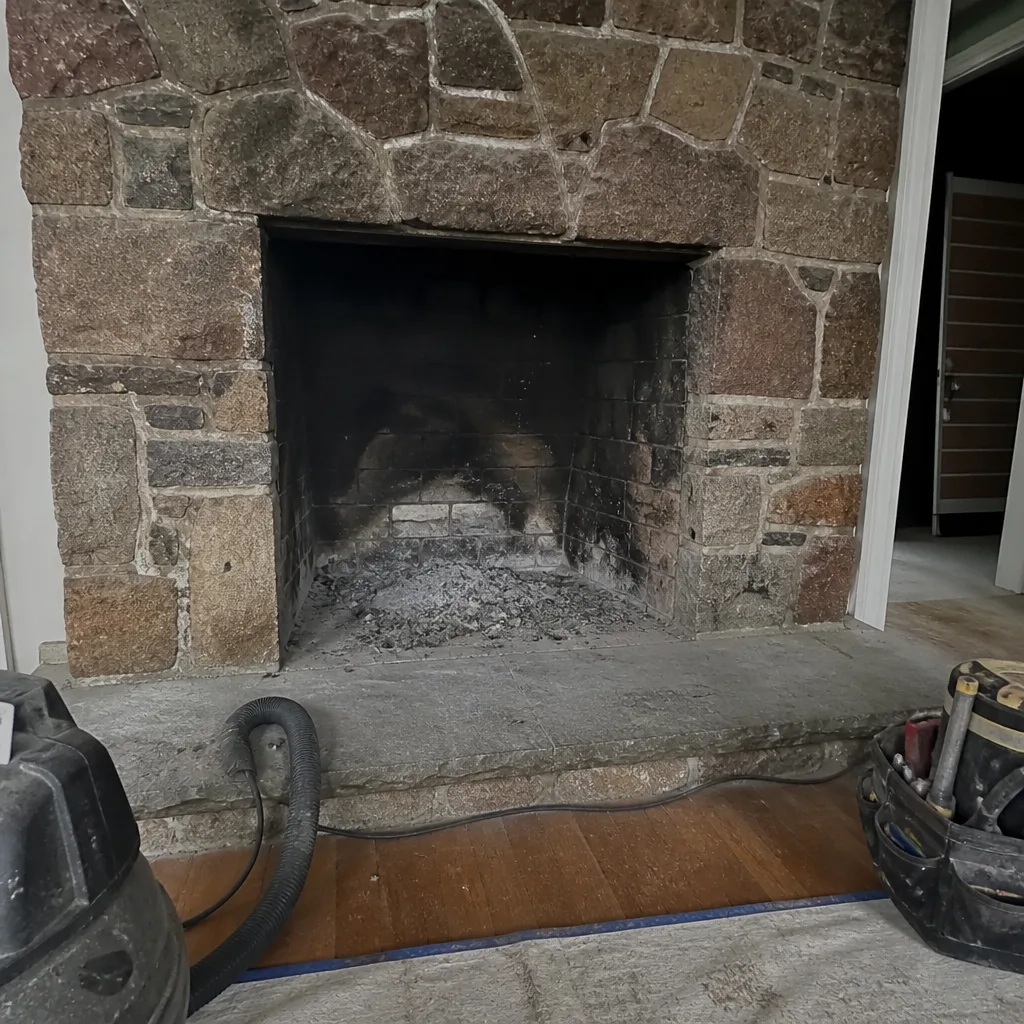
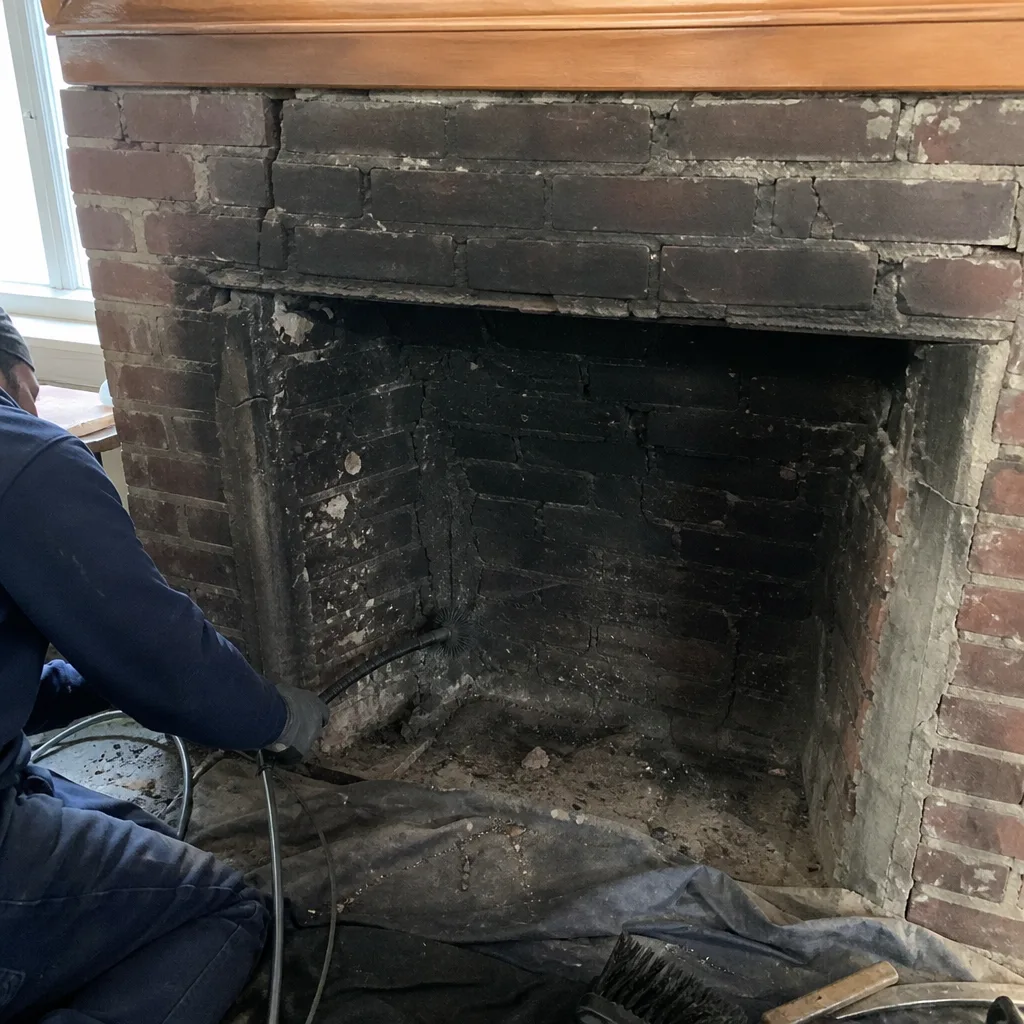 Before
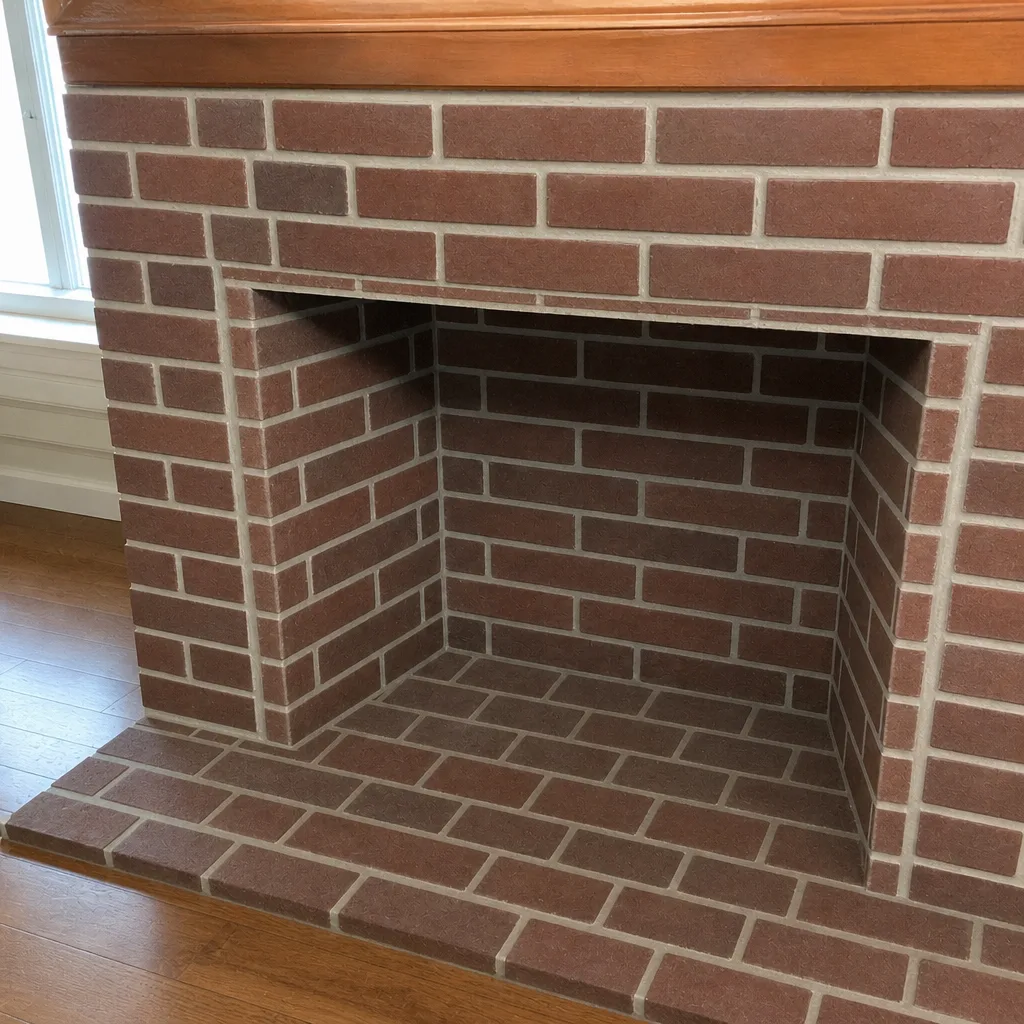 After
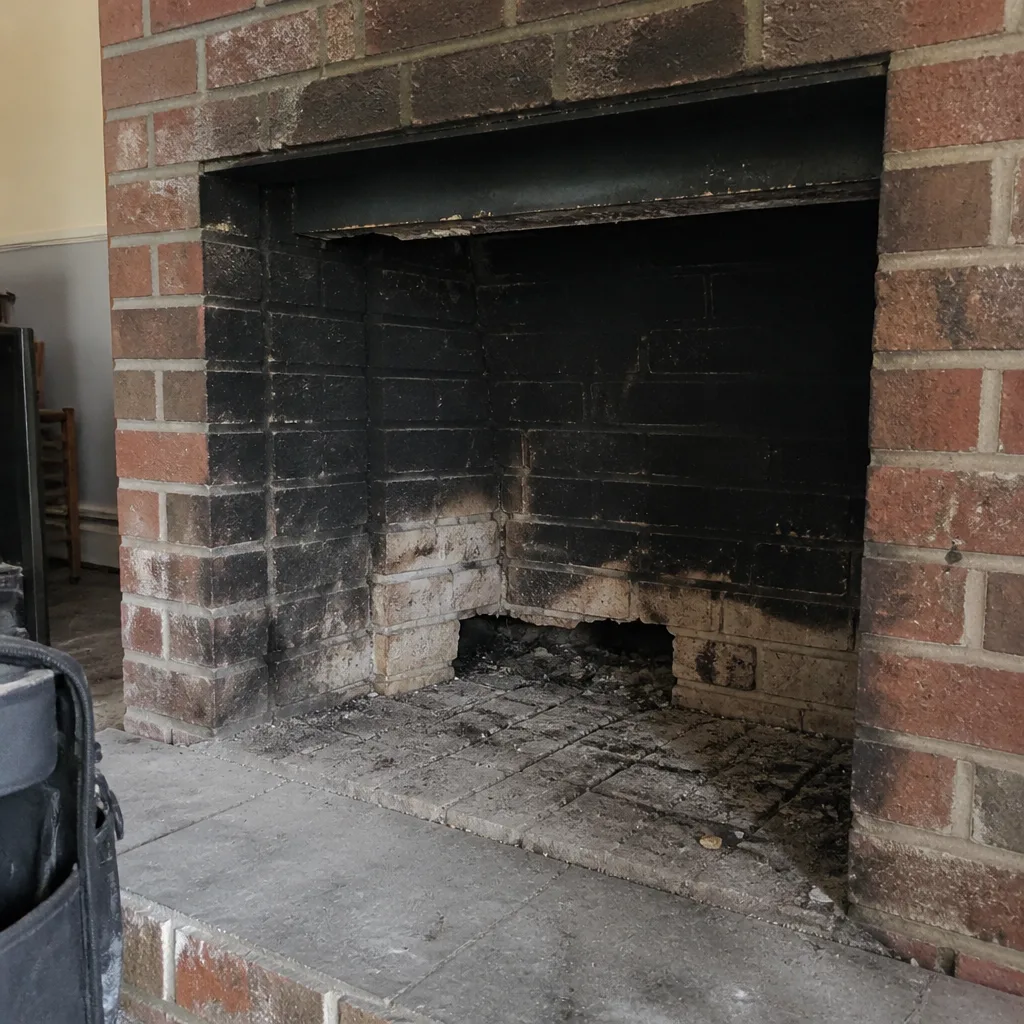 Before
 After
 Before
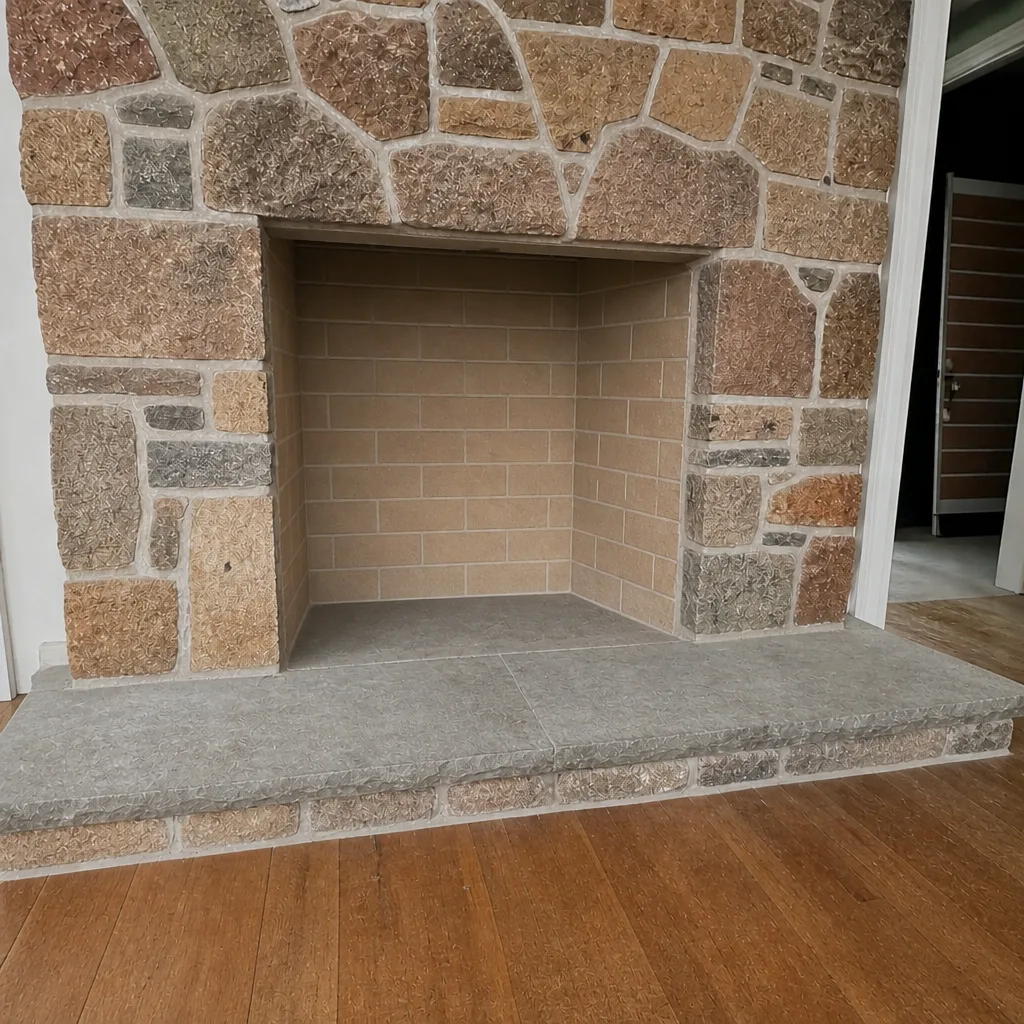 After
When to Call a Professional
If you’ve had a chimney fire, call after the fire department clears the scene. If you smell creosote in the house, see smoke backing into the room, notice draft problems, or see glazing on the flue walls through the firebox opening, call for an inspection before the next burn. If you haven’t had a sweep since last season, call before the weather turns. If you’re preparing to burn for the first time in a new Sunnyside home and don’t know the flue’s history, call and get the full-system check.
Chimney Sweep Sunnyside offers free estimates in Sunnyside. Call (833) 472-1614 for a written estimate before any work begins. We answer 24/7. Fast dispatch from 7am to 7pm.
Frequently Asked Questions
You can’t confirm it yourself in a safe way, which is why the rule is simple: after any chimney fire, no one should use the fireplace until a professional inspection clears it. FDNY confirms the fire is out, but chimney interior damage requires a sweep-level inspection afterward. Call a professional before the next burn. Call (833) 472-1614 for an exact quote on the inspection; estimates are free.
Yes. Even a short-duration chimney fire can crack liner tiles, warp a damper, or compromise the mortar joints between flue sections that you can’t see from the firebox. An inspection with camera documentation tells you whether the flue is safe to use again, and if it isn’t, whether HeatShield liner restoration is the right repair. Call (833) 472-1614 for an exact quote. Estimates are free.
Sweep frequency depends on how much you burn. Annual sweeping before the heating season is the standard starting point, and households that burn frequently through the winter typically need it on a tighter schedule. Older brick-and-mortar flues common in Sunnyside hold creosote more easily than modern liners and benefit from a professional assessment of buildup each season. Call (833) 472-1614 for an exact quote. Estimates are free.
Creosote builds up quietly. The third-degree, glazed layer is the one that fuels a chimney fire, and by the time it’s visible or the fire doesn’t draft right, it’s often thick enough to need professional removal. Skipping a sweep doesn’t cause a chimney fire on its own, but it removes the buffer between normal burning and a serious one. Call (833) 472-1614 for an exact quote. Estimates are free.
Yes, in attached Sunnyside housing it can. Shared masonry conducts heat into the wall cavity, and if there’s any weakness in either flue the fire can extend into the shared structure. That’s why alerting the units on either side and having both flues inspected afterward is part of the standard response. Call (833) 472-1614 for an exact quote. Estimates are free.
We handle the full chimney system from firebox to cap. That means the sweep, the camera inspection, the report, and any repair the report calls for, all with the same team. We install and service systems using DuraFlex, HeatShield, Gelco, Olympia Chimney, Famco, and Copperfield materials. The local professionals are licensed and insured as their state requires. Call (833) 472-1614 for an exact quote. Estimates are free.
The Bottom Line
Chimney fire preparedness in Sunnyside starts with recognizing that attached housing changes everything. The signs to watch for are the same in a rowhouse or a suburban house, but the response is not. 911 first, family out, neighbors alerted, and then an inspection done by someone who can actually confirm the flue is safe before the next burn. Prevention is the quieter half of the plan: sweep before the season, burn dry wood, keep the cap and crown in shape, and know the condition of your liner. That’s the difference between a chimney system you trust and one you’re guessing about.
Written by the team at Chimney Sweep Sunnyside.