
Last updated November 25, 2026
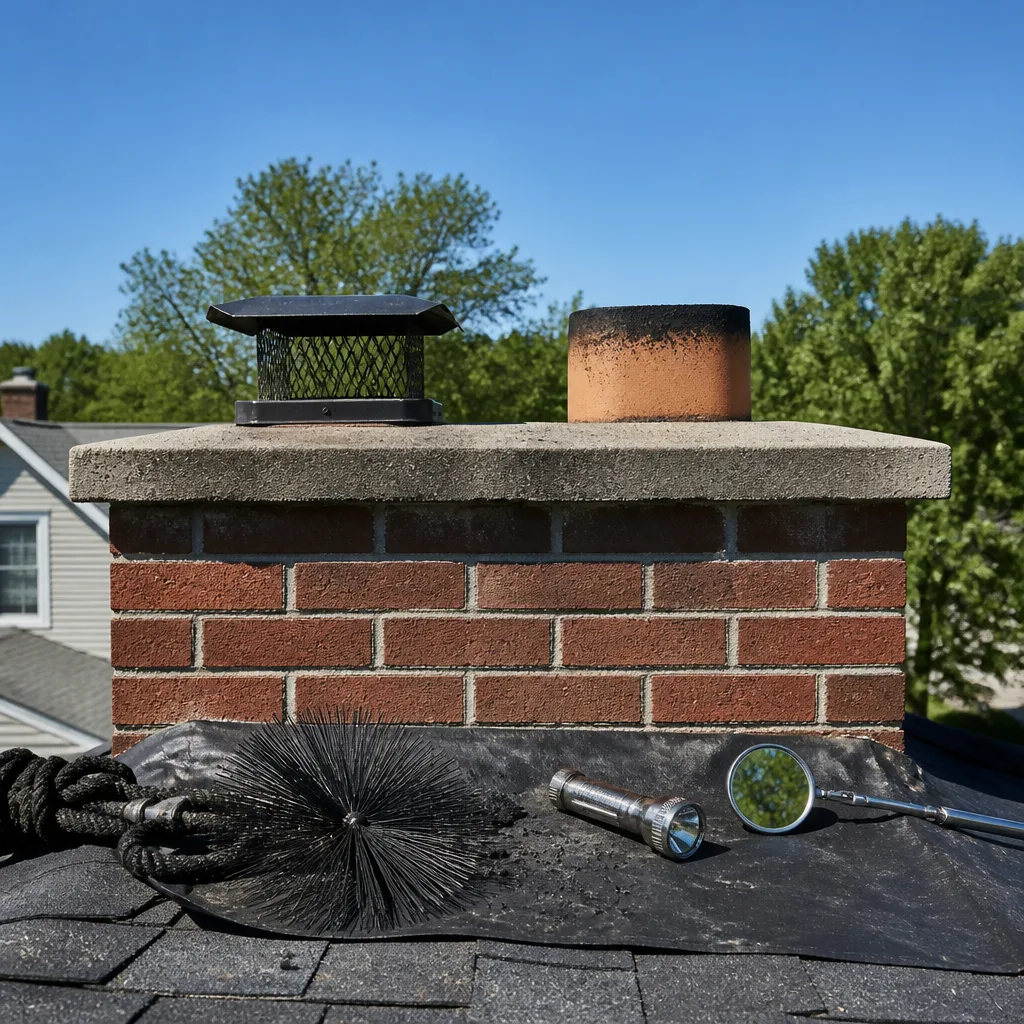 Sweep & inspection
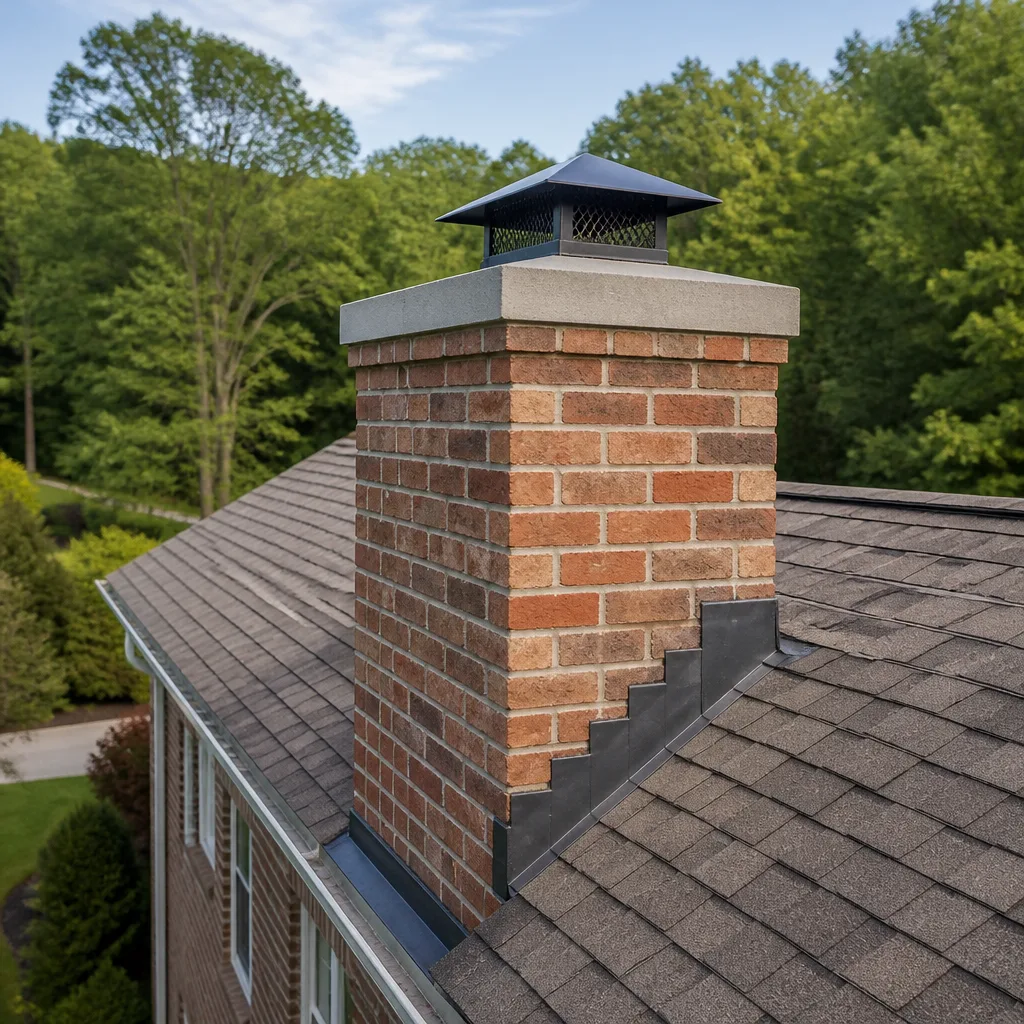 Caps & crowns
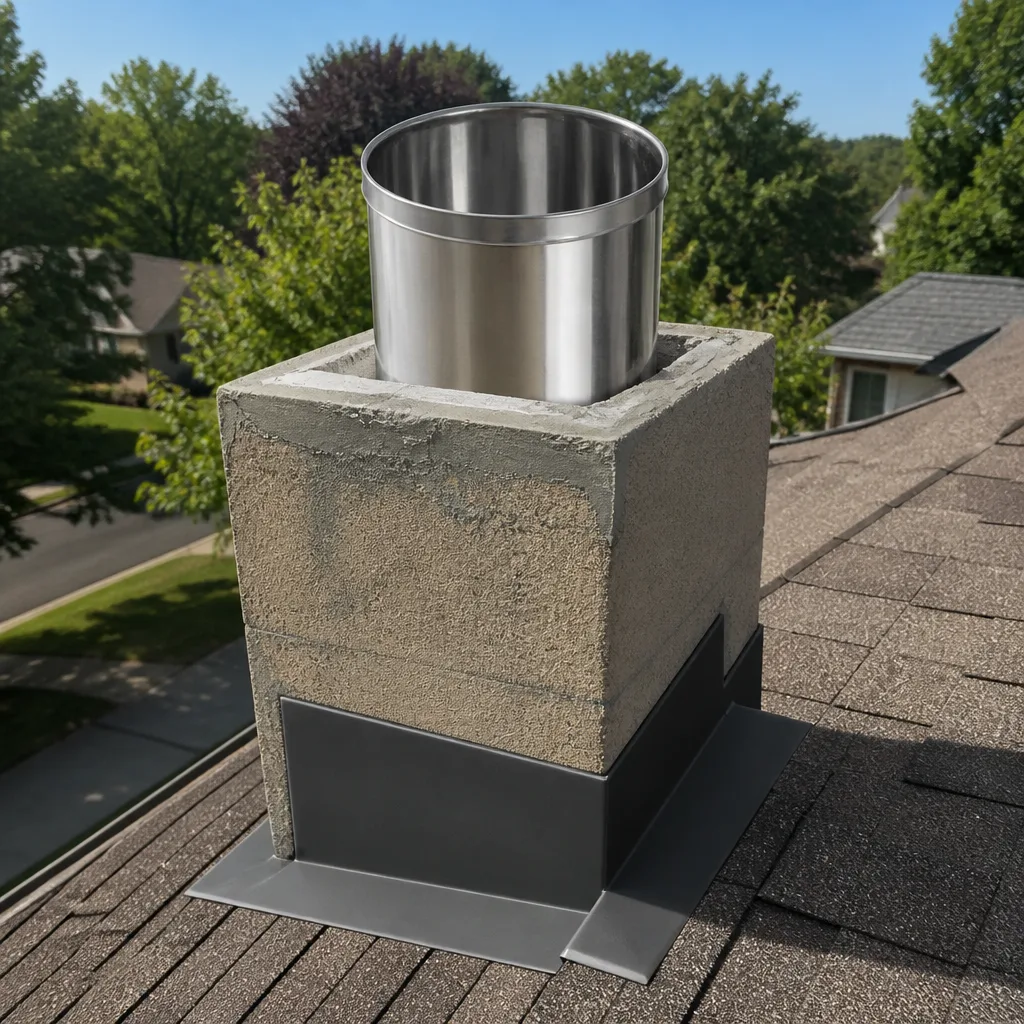 Flue relining
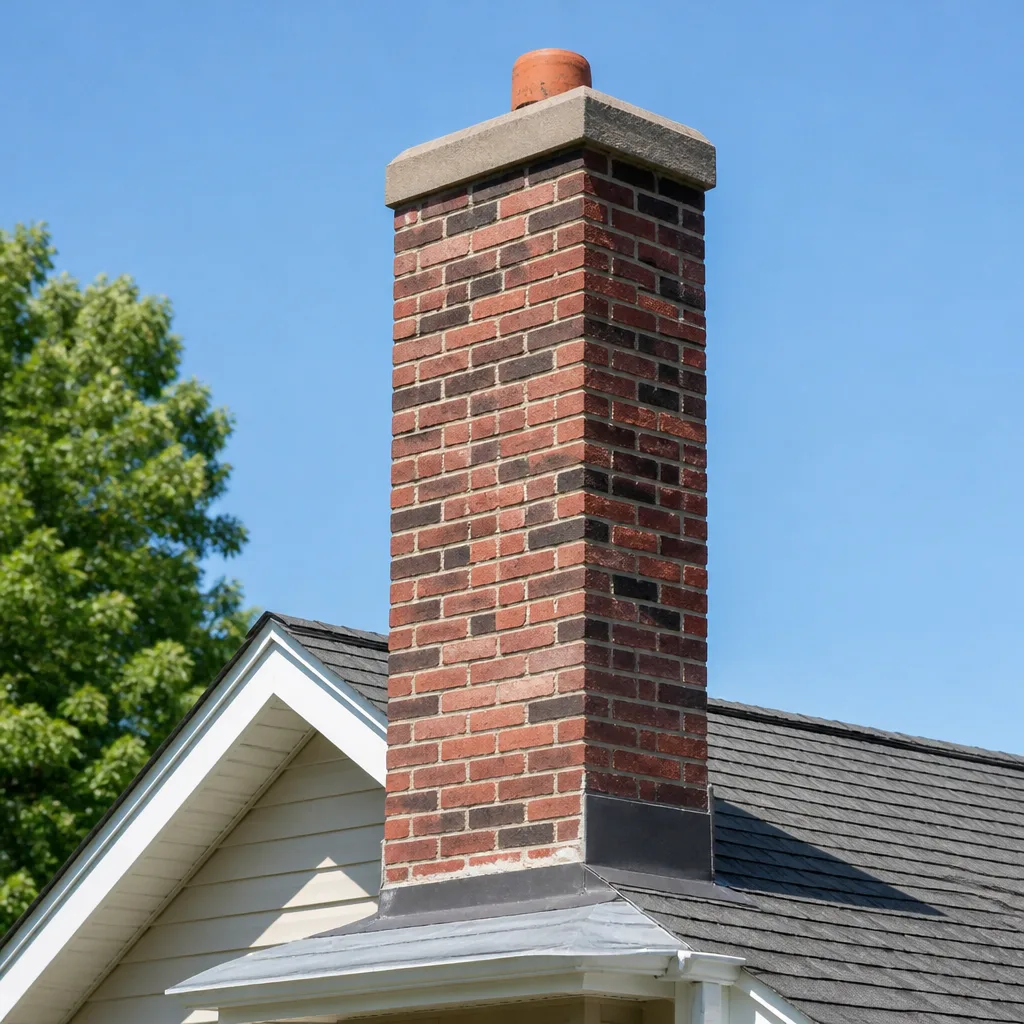 Masonry repair
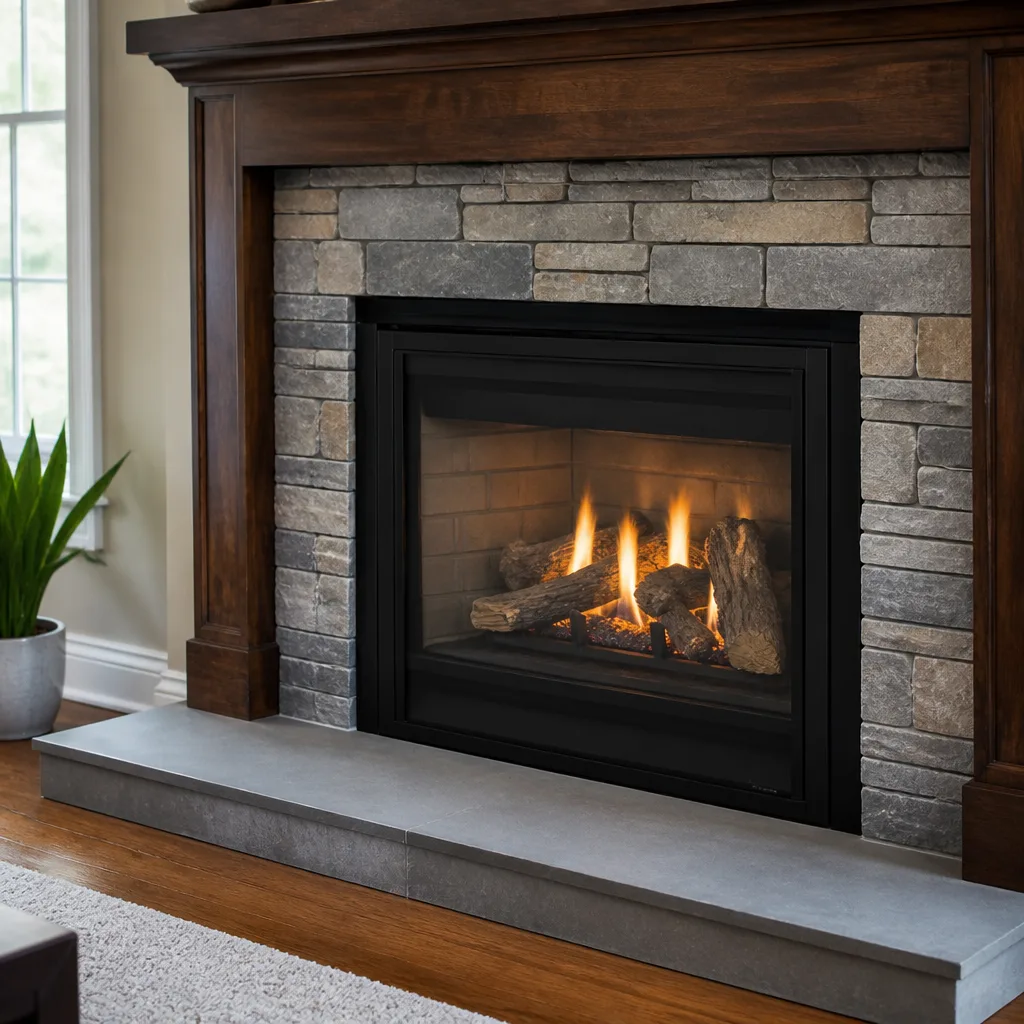 Gas fireplace service
Level 1 sweep and inspection to the NFPA 211 annual standard - flue, crown, cap, and flashing checked and photographed
Chimney sweep logs do not sweep chimneys. They loosen some creosote - which then falls where a brush and vacuum still have to collect it.
DIY vs Professional Chimney Cleaning: The Sunnyside Homeowner’s Decision Guide
You can sweep your own flue and still have no idea whether your liner is cracked, your crown has separated from the masonry, or glazed creosote is sitting in a bend you’ll never reach with a brush. That’s the uncomfortable heart of the DIY chimney cleaning debate. The mess and the difficulty get all the attention, but they’re not the real issue. The real issue is assessment: what a homeowner can honestly verify versus what needs trained eyes and camera equipment. A DIY sweep can actually raise your risk, because it gives you a reason to skip the one thing that matters most, which is an inspection. This guide maps exactly where DIY is legitimate, where it quietly fails, and how Sunnyside’s particular housing stock changes the calculation.
Quick Answer
Professional chimney cleaning is the safer choice for most Sunnyside homeowners, not mainly because a technician sweeps better, but because the sweep comes bundled with an assessment of the liner, crown, cap, and flue interior that a homeowner can’t perform with a consumer brush kit. DIY sweeping is reasonable for a lightly used, well-maintained chimney with an accessible flue, but it should never replace a professional inspection. The honest split is this: you can learn to clean your flue, but you can’t learn to inspect it safely without training and equipment.
Styles & brands we work with
- Sweep & inspection
- Caps & crowns
- Flue relining
- Masonry repair
- Gas fireplace service
Table of Contents
- What DIY chimney cleaning can and cannot actually accomplish
- The real limitations of consumer brush kits
- Why DIY carries different risks in Sunnyside’s attached buildings
- The inspection gap: what a DIY sweep misses
- A decision framework: fuel type, burning frequency, and chimney age
- What a professional sweep actually includes in Sunnyside
- Creosote, carbon monoxide, and why assessment is a safety issue
- Cost and frequency: how the math really works
What DIY chimney cleaning can and cannot actually accomplish
It helps to separate chimney maintenance into two very different jobs: cleaning and assessing. Cleaning removes what has built up. Assessing determines whether the system is safe to use. These are not the same task, and conflating them is where most homeowners get into trouble.
Here’s the honest split.
What a careful homeowner can reasonably do:
- Keep the firebox and the area around the hearth clean and free of ash buildup.
- Open the damper fully before lighting a fire and confirm it’s open before every burn.
- Visually check that the cap is present and not obviously damaged from ground level with binoculars.
- Notice and act on signs of trouble: smoke rolling back into the room, a strong creosote smell, soot falling onto the hearth, or visible cracks in the firebox brick.
- Sweep the flue on a lightly used, well-maintained chimney using a correctly sized brush, when the flue is accessible and straight.
What genuinely requires a technician:
- Inspecting the flue liner for cracks, spalling, gaps at the joints, or separation.
- Identifying glazed creosote, which is a hard, tar-like deposit that a brush glides right over.
- Assessing the crown for cracks, separation from the chimney, or water infiltration paths.
- Checking the smoke chamber and the area above the damper, both prone to deposits and hard to see.
- Confirming that the flue is properly sized for the appliance and that the venting is correct.
The pattern is clear. The homeowner can clean. The technician can see. And cleaning without seeing is where false confidence creeps in. We handle the full chimney system, from firebox to cap, precisely because those two jobs belong together. If you’d like a baseline assessment before the heating season, our chimney sweep includes a look at far more than the flue.
The real limitations of consumer brush kits
Consumer brush kits aren’t junk. For a straightforward flue with light soot, a properly sized brush does remove buildup. But the honest limitations show up fast, and they’re the reason a homeowner should be cautious about relying on one as the whole plan.
Reach. Most kits top out at around 20 to 30 feet of rod, and the rods flex as you add length. On a tall stack the brush loses force near the top, and the last few feet of flue, where deposits often collect, get a lighter pass than you think. Sunnyside’s rowhouses often have tall stacks, so this limit bites sooner than it would in a shorter detached home.
Rotation. Consumer brushes rely on the homeowner turning the rod by hand or with a drill attachment. That rotation is uneven and can’t reliably scrub the full circumference, especially at bends and offsets. Professional kits use larger brush heads and driven rotation to contact the flue wall consistently around its entire diameter.
Glazed creosote. This is the biggest one. Stage three creosote is a hard, glazed, tar-like deposit baked onto the flue wall. A brush slides over it. It doesn’t come off with more effort, either, and it can’t be removed safely by scraping without risking damage to the liner. Addressing glazed creosote is a technician’s job, and in some cases it calls for a resurfacing product rather than a sweep. Our team is HeatShield-qualified for flue resurfacing, which lets us address a deteriorating flue interior without a full rebuild.
So a consumer kit can clean a lightly used flue. It can’t reach the top of a tall stack with force, it can’t scrub evenly, and it can’t touch glazed deposits. That’s the honest boundary.
Why DIY carries different risks in Sunnyside’s attached buildings
Sunnyside is not a suburb of detached homes with generous lots between them. Much of the neighborhood is built as attached rowhouses, two-families, and older masonry buildings sitting shoulder to shoulder. That changes the DIY calculation in ways that don’t apply to a standalone house with its own roof and its own setbacks.
Shared party walls and adjoining flues. In attached buildings, flues often sit close together inside a shared stack. A deposit problem in one flue can affect the integrity of the adjoining masonry. When a homeowner sweeps one flue in isolation and skips a look at the shared structure, there’s no one assessing whether the crown, the flashing, or the mortar joints between flues are holding up.
Roof access. Many Sunnyside rowhouses have steep, narrow roofs with limited safe footing, and adjoining roof planes that make ladder placement genuinely precarious. Getting on the roof to check the cap or the crown is a different proposition here than on a low, wide suburban ranch. The safety risk of a DIY roof inspection rises sharply.
Neighbors and shared smoke. Deposits, fallen soot, and dust from a sweep don’t always stay neatly contained. In a tight building, what you dislodge can find its way into adjoining spaces. That’s a practical and a courtesy problem, and it underlines why a controlled, contained sweep matters more in attached housing.
None of this means DIY is illegal or impossible here. It means the margin for error is thinner, and the value of a trained set of eyes on the whole structure, not just the flue, is higher. When we look at a Sunnyside chimney, we’re looking at a piece of a building, not a freestanding pipe. That’s why chimney repair work here often turns on the crown and the masonry rather than the flue alone.
The inspection gap: what a DIY sweep misses
This is the section that matters most, and it’s the one the DIY-versus-professional debate usually skips. Assume you sweep your flue clean. You’ve done the visible work. Now ask what you still don’t know.
A DIY sweep doesn’t tell you:
- Whether the liner has cracks or gaps. A hairline crack or a separated joint in the flue liner is exactly the kind of defect that lets heat and gases reach combustibles. You can’t see it from the firebox, and you can’t see it with a rod-mounted brush.
- Whether the smoke chamber is sound. The area above the damper and below the flue is sloped and hard to see. It’s a common place for deposits to hide and for masonry problems to start.
- Whether the crown is sealing. Small cracks in the crown let water in, and water does the slow, expensive damage. Freeze-thaw cycles through a Sunnyside winter widen those cracks year over year.
- Whether the cap is doing its job. A damaged or missing cap lets rain, birds, and debris in. A good chimney cap & crown is the cheapest protection in the whole system, and it’s easy to get wrong from the ground.
- Whether the venting is correct. Flue sizing, the relationship between the appliance and the chimney, and the draft all affect performance and safety. That’s an assessment, not a cleaning task.
Here’s the paradox at the center of this guide. Because a DIY sweep feels like maintenance, it can talk a homeowner out of calling a professional. The flue looks clean from the top, the fire burns, and there’s no obvious reason to book an inspection. Meanwhile the cracked liner, the failing crown, and the glazed creosote in the offset sit there undiscovered. DIY cleaning doesn’t just miss the inspection. It can remove the prompt to get one.
A professional sweep with camera equipment closes that gap. And because our inspection goes beyond the visual, we can identify problems on the crown, cap, liner, and masonry and quote the repair on the spot, rather than handing you a report with no next step.
A decision framework: fuel type, burning frequency, and chimney age
Not every chimney carries the same risk. Use this framework to decide whether DIY is defensible for your situation or whether professional service is non-negotiable. Three factors do most of the work.
Step 1: Identify your fuel type.
- Natural gas and propane produce far less creosote than wood, but they still need inspection for condensation, corrosion, and venting correctness. DIY is a poor fit here, because the risks are invisible ones.
- Seasoned hardwood burned hot and dry produces less creosote than soft, green, or unseasoned wood.
- Wood burned slowly, smoldered, or frequently damp produces far more creosote and far more of the glazed kind. This is a professional-only situation.
Step 2: Count your burning frequency.
- Occasional use, a handful of fires a season, with good dry wood: a careful homeowner can sweep between professional inspections.
- Regular winter use, several fires a week: professional cleaning and annual inspection is the sensible baseline.
- Daily or near-daily use through the heating season: professional service, full stop. Creosote accumulates faster than a homeowner can keep up with.
Step 3: Consider your chimney’s age and condition.
- A newer flue with a properly installed liner and a sound crown is a reasonable DIY candidate between professional inspections.
- An older unlined masonry flue, or one that’s had repairs, or one with a history of smoking problems is a professional-only situation. These are the flues where hidden defects cause real trouble.
Put simply: if you burn wood regularly, use an older or unlined flue, or have any reason to doubt the liner, DIY cleaning is not the right call. If you’re a light burner with a newer, sound system, sweeping between inspections is defensible, provided the inspections still happen. When you’re unsure which category you’re in, that’s the moment to bring in a technician for an assessment.
What a professional sweep actually includes in Sunnyside
The word “sweep” means different things depending on who shows up. Here’s what a thorough professional sweep in a Sunnyside home actually involves, so you can tell the difference between a real assessment and a quick pass.
- Containment and protection. Drop cloths and containment keep soot and dust out of your living space, which matters in a tight attached building where a mess travels.
- Firebox and damper. We clean the firebox and check that the damper opens, closes, and seals correctly.
- Smoke chamber and the area above the damper. These hard-to-reach areas get cleaned and checked for deposits and masonry problems.
- Flue cleaning with correctly sized tools. The brush is matched to the flue’s dimensions, and driven rotation contacts the full circumference.
- Camera inspection. A camera looks at the liner, joints, and the flue interior to catch the defects a visual check can’t.
- Cap and crown check. We inspect the cap and crown and check the flashing and masonry for water paths, then quote any repair on the spot.
That last point is where we differ from a sweep-and-go operation. We carry professional product lines including DuraFlex and Olympia Chimney for liner and venting work, and HeatShield for flue resurfacing, so a needed repair doesn’t mean a handoff to a separate contractor. One call covers the firebox throat to the chimney cap, from inspection through repair, standing behind the work with a single point of accountability. If a repair is needed, ask us about HeatShield liner restoration before you assume a full rebuild is the only option.
Creosote, carbon monoxide, and why assessment is a safety issue
This is not about scaring anyone into a service call. It’s about naming the actual risks so you can weigh them accurately.
Creosote is flammable. It builds up as wood burns, and the more of it coats the flue, the more fuel is sitting inside your chimney. A chimney fire happens when that deposit ignites. Stage three glazed creosote, the hard tar-like kind, is the most dangerous and the hardest to remove, and a brush alone can’t get it. It’s the single strongest argument for professional assessment.
Blockages and venting failures have a second consequence. A blocked or partially blocked flue, or one with a cracked liner, can prevent combustion gases from leaving your home cleanly. Carbon monoxide is one of those gases, and it’s odorless. That’s why a proper inspection isn’t just about fire risk. It’s about confirming that gases are leaving the building the way they should.
Water is the quiet one. A cracked crown or a failing cap lets water into the masonry. Water plus freeze-thaw cycles through a cold season means spalling brick, crumbling mortar, and widening cracks. That damage is slow, and it’s expensive to reverse. It’s also almost invisible from the ground.
All three of these are assessment problems, not cleaning problems. Cleaning helps, but it’s the inspection that catches them. That’s the whole reason to bundle the two. If you’re ready to close the gap, a free estimate is the easy first step. Call (833) 472-1614. We answer 24/7. Fast dispatch from 7am to 7pm, Sunday through Friday.
Cost and frequency: how the math really works
Homeowners often frame DIY-versus-professional as a money question, and it’s worth addressing honestly. A consumer brush kit costs money once. A professional sweep costs money each time. On the surface, DIY wins on price. The picture changes when you account for what the professional visit includes.
- A sweep includes an assessment. You’re not just paying for cleaning. You’re paying for a trained look at the liner, crown, cap, and smoke chamber, plus a camera inspection. That’s the part that catches problems while they’re small and inexpensive to fix.
- Early catches stay cheap. A small crown repair is a modest fix. A crown that’s been failing for years can mean masonry work. That’s the cost of the inspection gap, and it dwarfs the cost of any sweep.
- A DIY sweep is only “free” if nothing was missed. If you clean your own flue and skip the inspection, you’ve paid in time and cleanup and possibly in the risk of a defect going unnoticed for another season.
On frequency, the broad guidance is annual inspection, with the sweep cadence set by how much you burn. A light user might sweep less often than a daily burner. The constant is the yearly inspection. Treating the two as one recurring event is the practical way to keep the whole system in view.
For an exact quote on your chimney, call (833) 472-1614. Estimates are free, and the written estimate sets the final price.
Common Mistakes to Avoid
- Treating a DIY sweep as a substitute for inspection. The cleaning feels like maintenance, so the inspection never gets booked. That’s the central trap, and it’s the reason a clean-looking flue can still be unsafe.
- Using a brush that’s the wrong size for the flue. An undersized brush skips most of the wall, and an oversized one can damage a liner or jam. In Sunnyside’s older attached buildings, flue dimensions vary more than you’d expect.
- Assuming a clean top means a clean flue. Deposits collect in offsets, at the smoke chamber, and in bends. A look down from the roof doesn’t tell you what’s sitting lower down.
- Ignoring the crown and cap because the flue seems fine. Water infiltration through a cracked crown is one of the most common slow-damage problems we see on Sunnyside rowhouses, and it has nothing to do with how clean the flue is.
- Burning wet or green wood to save money. It produces more creosote, more of the glazed kind, and more of the problems a brush can’t fix. Use dry, seasoned wood.
- Getting on a steep, narrow roof to self-inspect. In a built-up neighborhood with tight roof planes, the fall risk of a DIY roof check can outweigh any savings. Leave the roof to a technician who’s equipped for it.
- Cleaning the flue on a two-family building without considering the adjoining flues. In attached housing, the shared stack needs a whole-structure look, which a single-flue DIY sweep won’t give you.
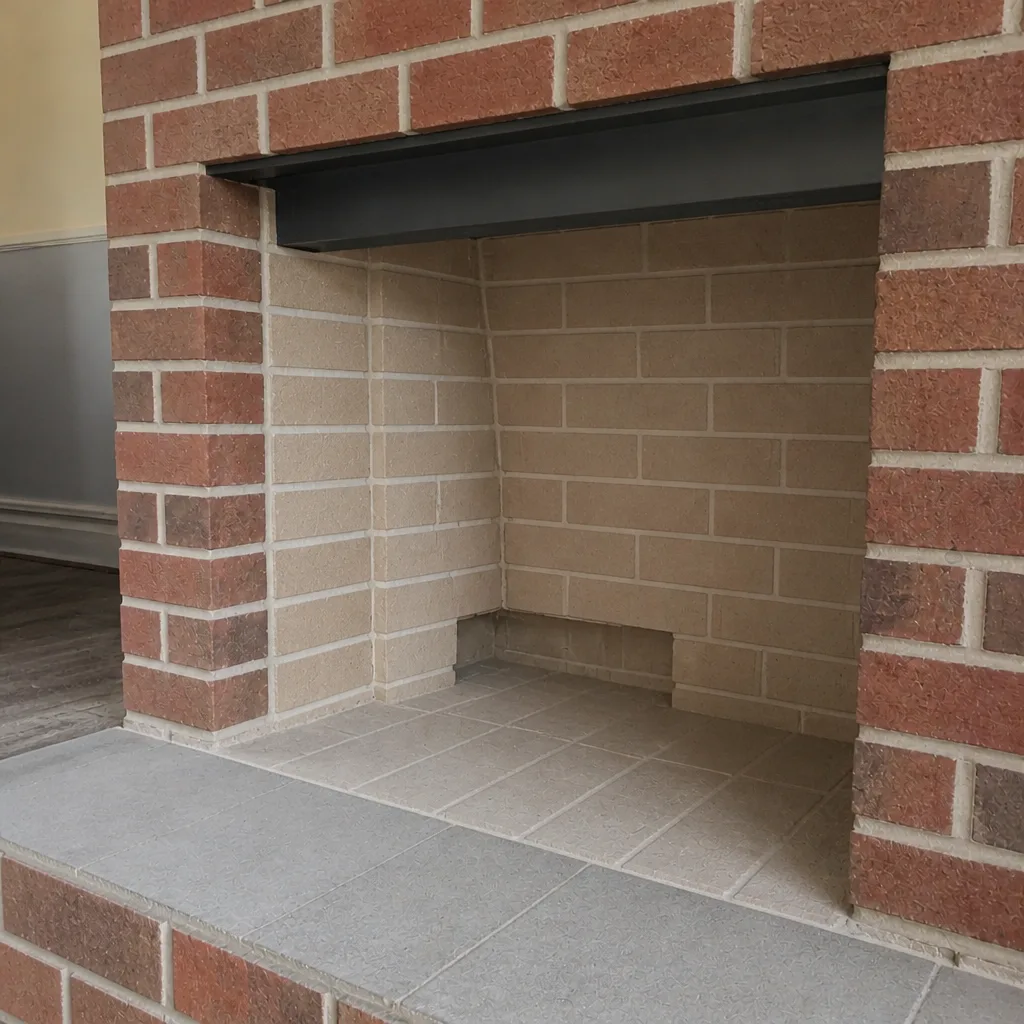
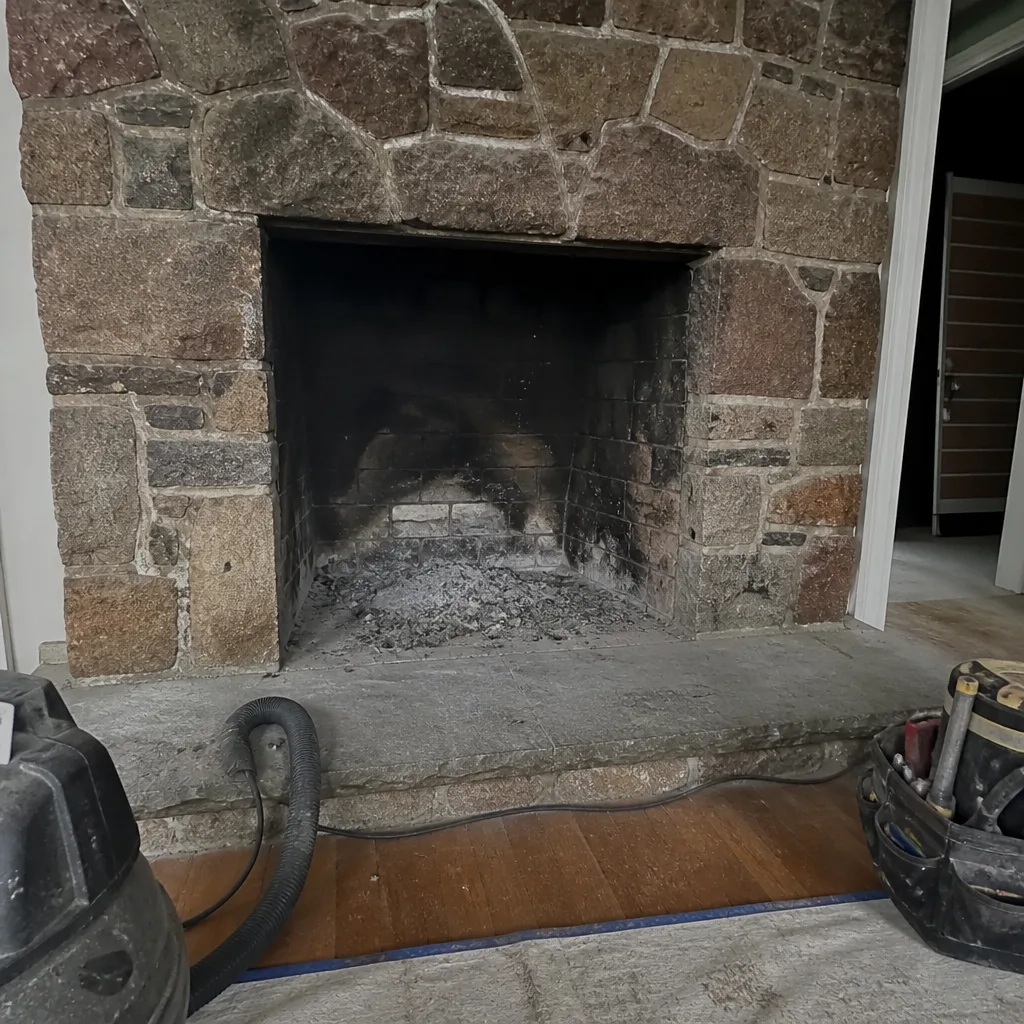
See the difference
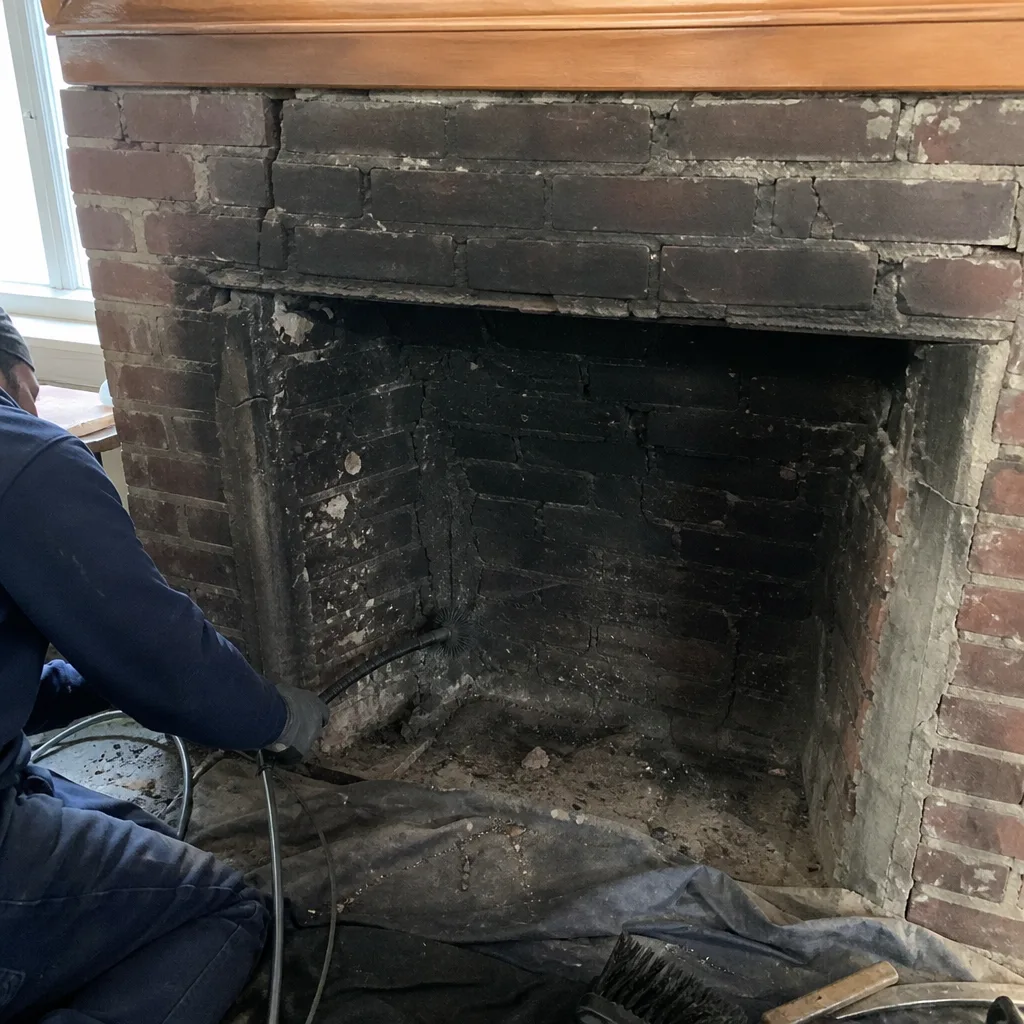 Before
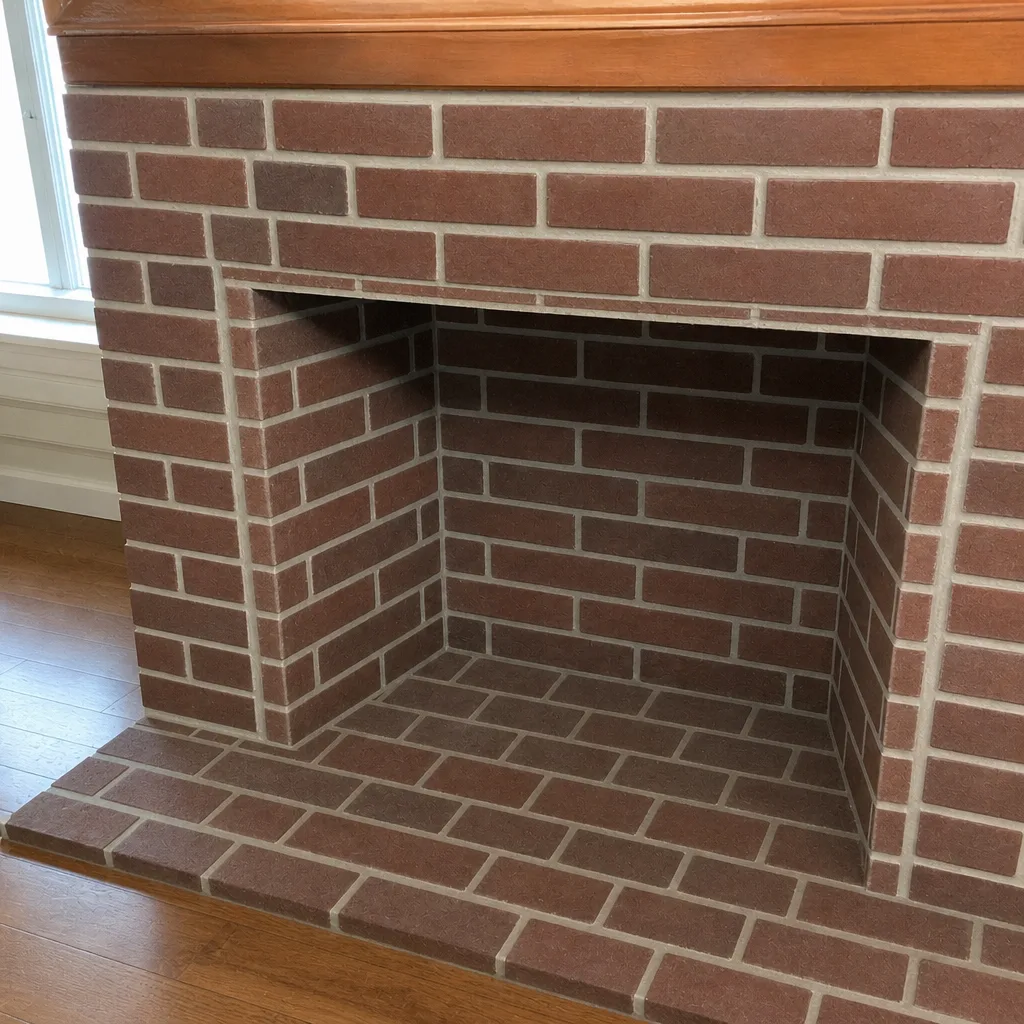 After
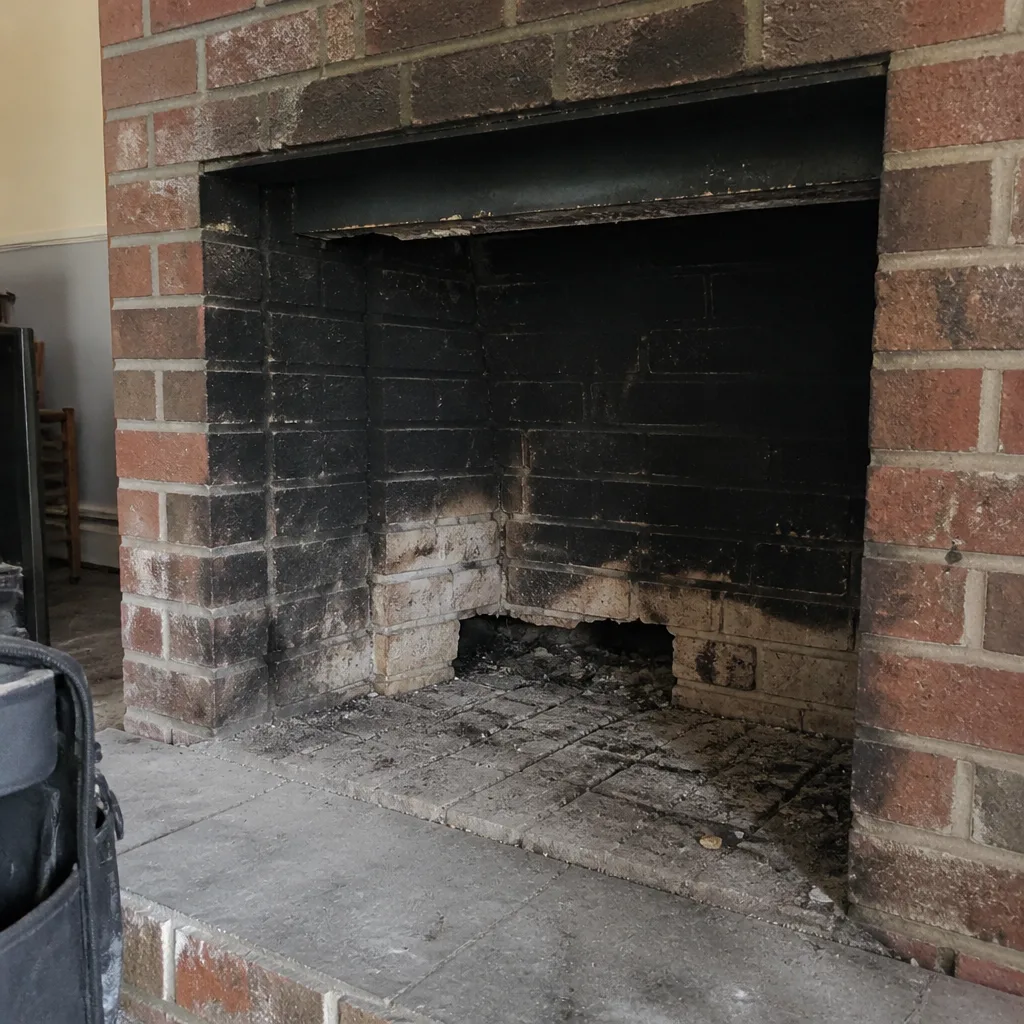 Before
 After
 Before
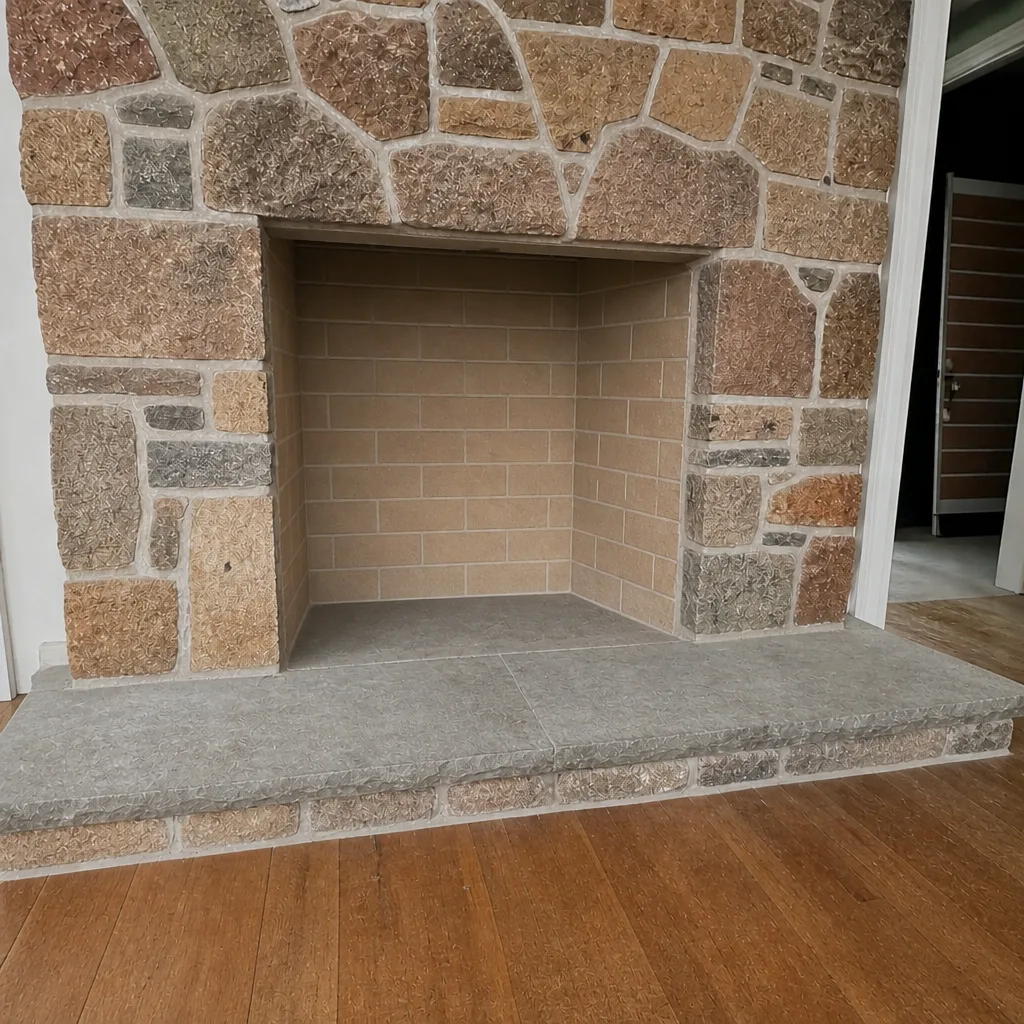 After
When to Call a Professional
Some situations call for a professional without debate. Call a technician if your chimney is unlined or older masonry, if you burn wood regularly or daily, if you’ve had a chimney fire or a smoking problem, if you notice soot falling or a strong creosote smell, if the crown or cap looks damaged, or if you’ve simply never had the system inspected. Camera inspection is the deciding factor: it sees what no brush and no ground-level look can. Our technicians have up to 13 years of experience, and Chimney Sweep Sunnyside offers free estimates in Sunnyside. Call (833) 472-1614. We answer 24/7. Fast dispatch from 7am to 7pm, Sunday through Friday.
Frequently Asked Questions
You can safely sweep a lightly used, well-maintained, accessible flue with the right brush, but you can’t safely inspect it without training and camera equipment. So DIY cleaning is defensible only when it’s paired with a professional inspection, never in place of one. If you’re unsure whether your flue qualifies, call (833) 472-1614. We answer 24/7. Fast dispatch from 7am to 7pm, Sunday through Friday.
A consumer kit misses reach at the top of a tall stack, even contact with the flue wall at bends, and glazed creosote that a brush slides over. It also can’t perform a camera inspection of the liner, so defects go unseen. Those gaps are exactly what a professional sweep with camera equipment is built to close.
Yes, an annual inspection is worth doing even for light burners, because problems like a cracked crown or a cracked liner aren’t caused by how often you burn. In Sunnyside’s attached buildings, the shared stack and tight roof access make a professional look more valuable, not less. For an exact quote, call (833) 472-1614. Estimates are free.
Attached buildings share stacks, party walls, and adjoining flues, so a flue problem isn’t isolated to one unit, and roof access on a steep rowhouse is genuinely precarious. A DIY sweep looks at one flue. The risks live in the shared structure around it. That’s the difference.
No. Stage three glazed creosote is a hard, tar-like deposit that a brush glides over, and scraping it without training can damage the liner. It needs a technician, and sometimes flue resurfacing rather than a sweep. Our team is HeatShield-qualified for that kind of restoration. Call (833) 472-1614 for a free estimate.
Plan on an annual inspection, with the sweep cadence set by how much you burn, so heavy wood users sweep more often than occasional burners. The yearly inspection is the constant. If it’s been a while since your last one, call (833) 472-1614. We answer 24/7. Fast dispatch from 7am to 7pm, Sunday through Friday.
The Bottom Line
DIY chimney cleaning isn’t the villain of this story, and neither is it the hero. It’s a cleaning task that a careful homeowner can perform on a sound, lightly used system, as long as it never replaces an inspection. The real risk is false confidence: a flue that looks clean while a cracked liner, a failing crown, or glazed creosote sits undiscovered. In Sunnyside’s attached buildings, with shared stacks and steep rowhouse roofs, the value of trained eyes and camera equipment is higher, not lower. Clean what you can. Inspect what you can’t. When in doubt, call us for a free estimate with no surprises.
Chimney Sweep Sunnyside handles the full chimney system, from firebox to cap, with professional materials including DuraFlex, Olympia Chimney, and HeatShield, backed by a single team and a single standard. We inspect it. We repair it. Same team, same standard. Call Chimney Sweep Sunnyside at (833) 472-1614 for a free estimate. We answer 24/7. Fast dispatch from 7am to 7pm, Sunday through Friday, and we’re closed Saturday.
Written by the team at Chimney Sweep Sunnyside.