
Last updated November 25, 2026
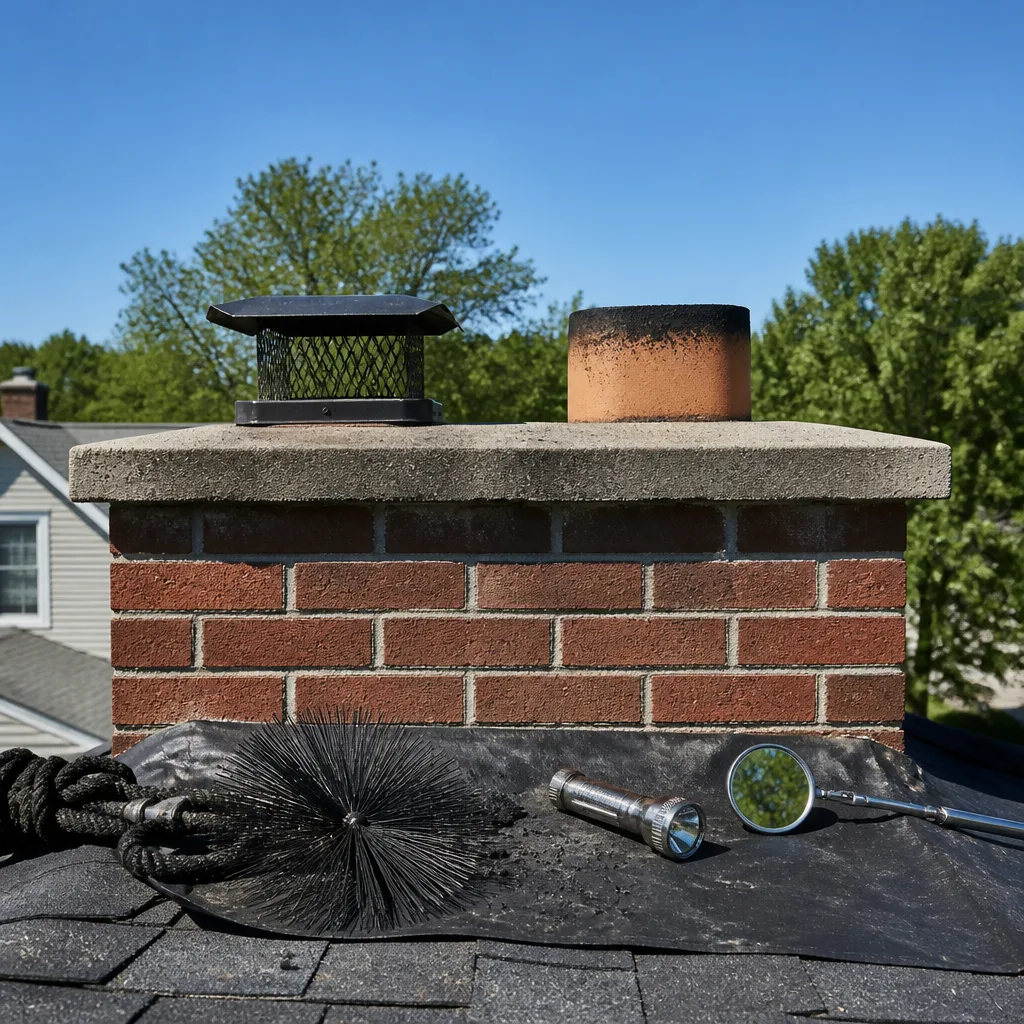 Sweep & inspection
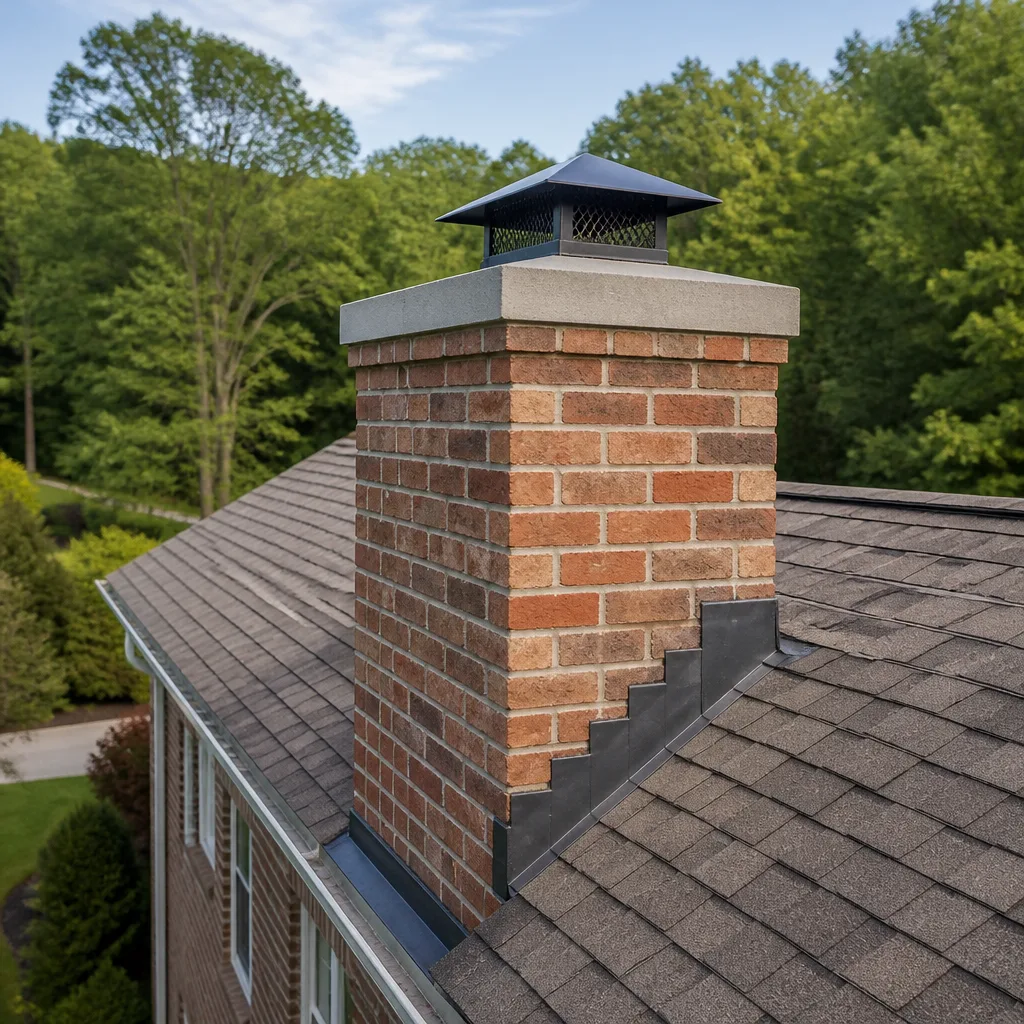 Caps & crowns
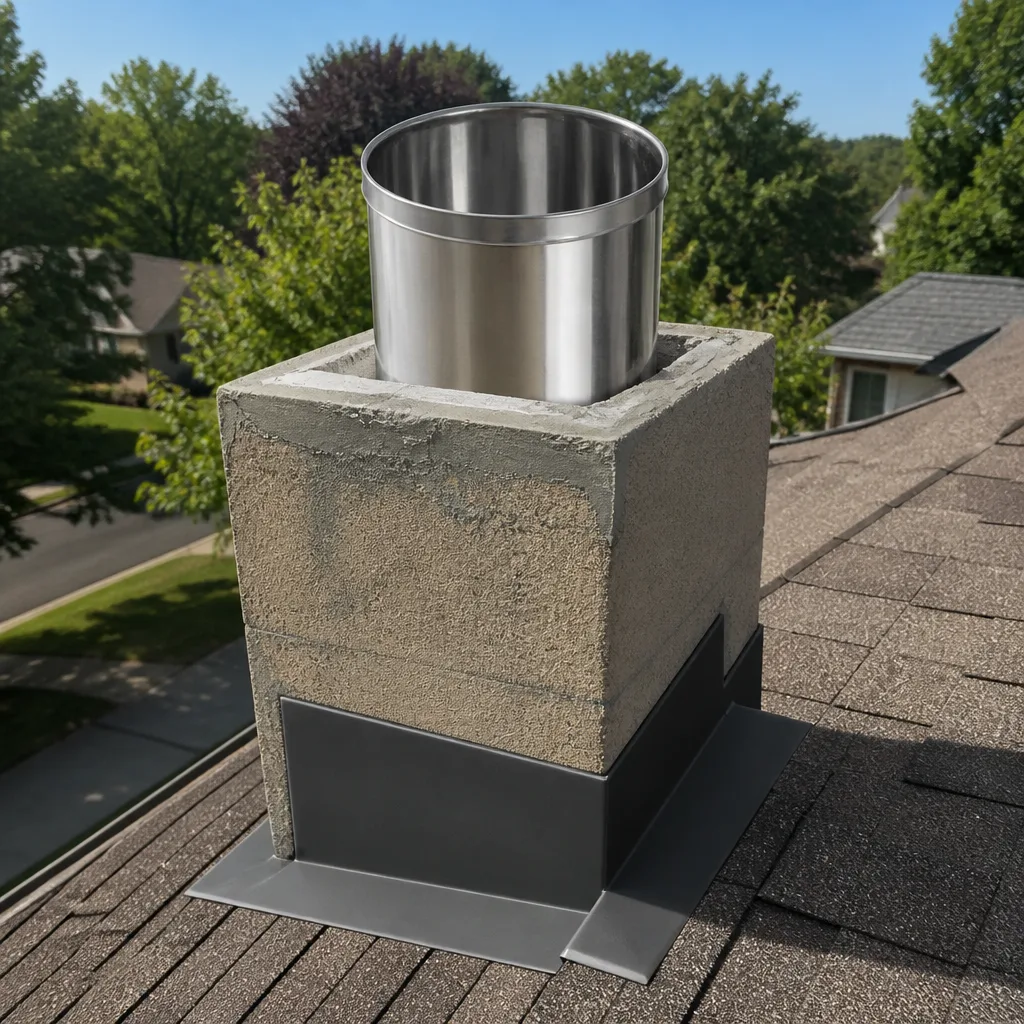 Flue relining
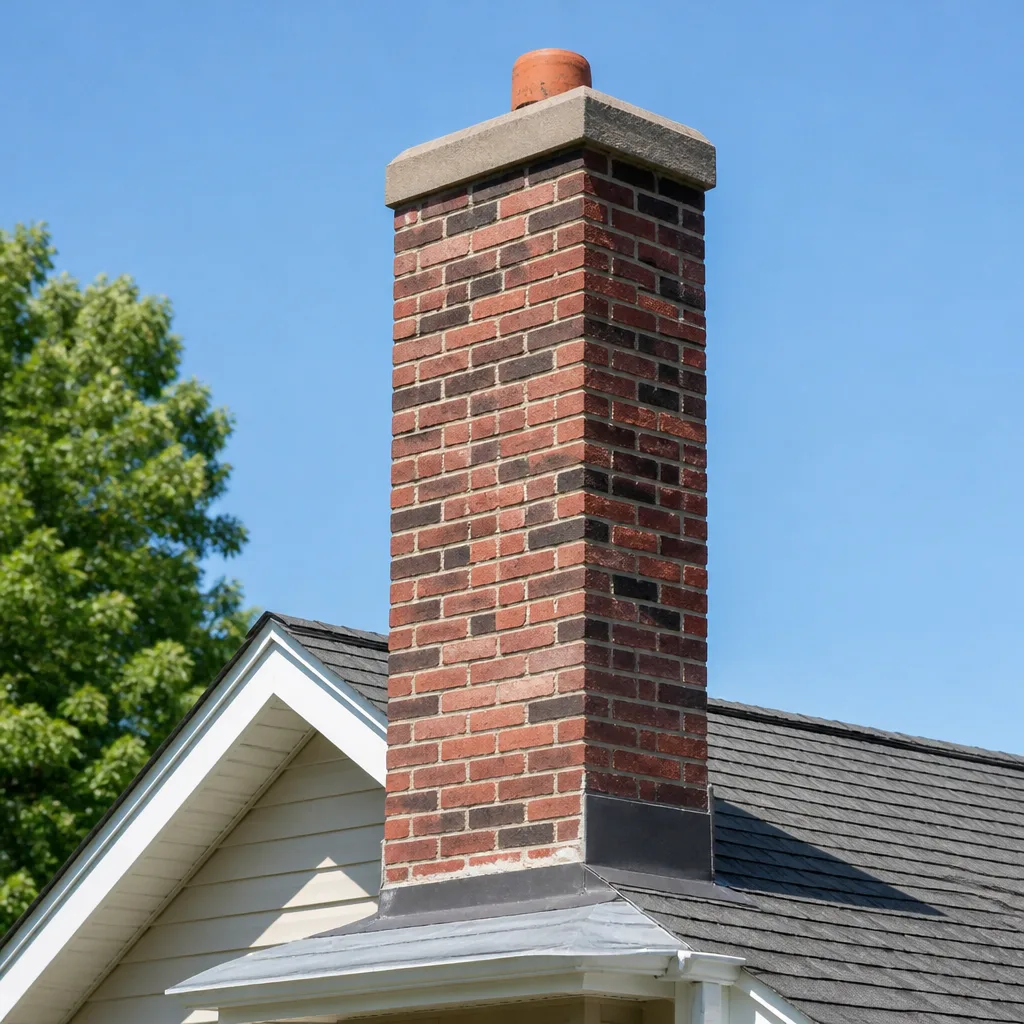 Masonry repair
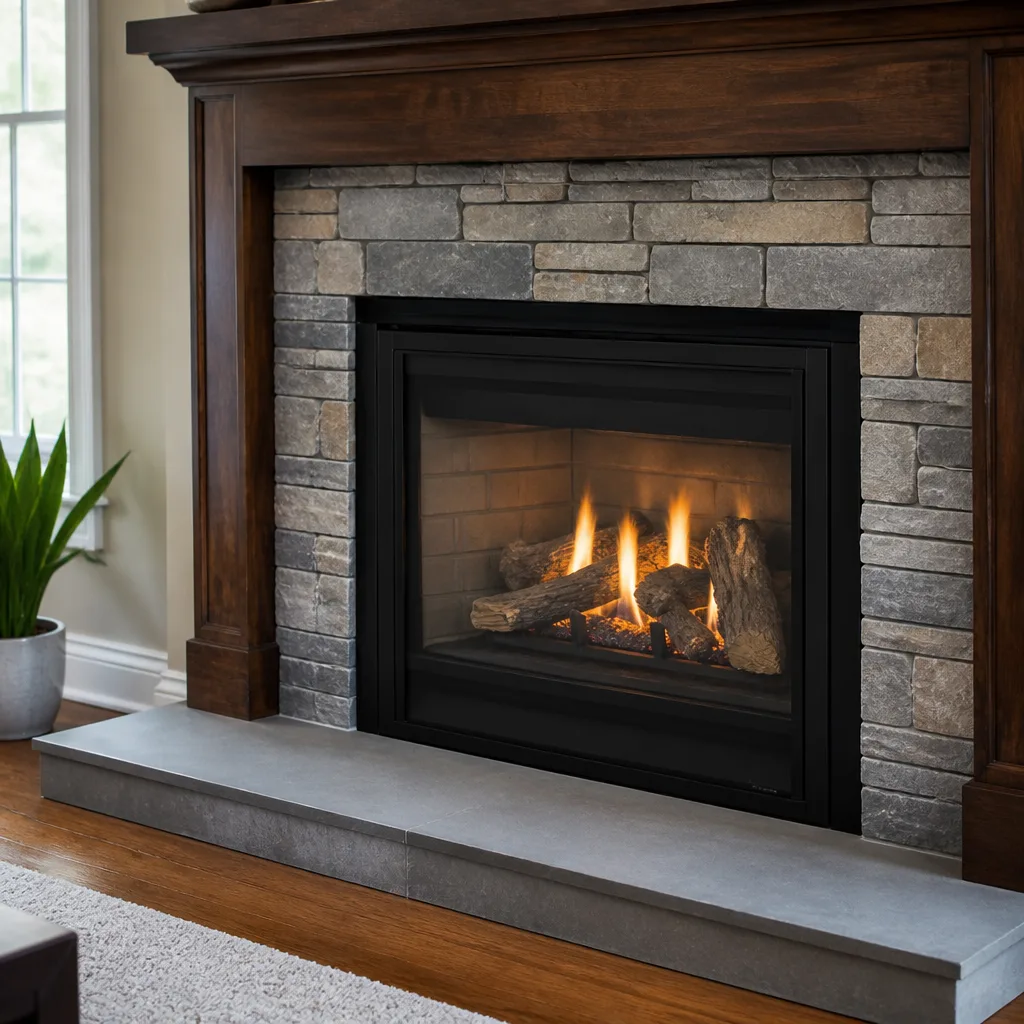 Gas fireplace service
Level 1 sweep and inspection to the NFPA 211 annual standard - flue, crown, cap, and flashing checked and photographed
Chimney sweep logs do not sweep chimneys. They loosen some creosote - which then falls where a brush and vacuum still have to collect it.
Chimney Cleaning Permits, Codes & Inspections in Sunnyside, NY: What You Need to Know
A liner replacement done without a permit in New York City isn’t just a code violation – it’s a liability that transfers to the homeowner the moment the contractor leaves. The paper trail stays with the house, and the next owner, the insurance adjuster, or a Department of Buildings inspector will eventually ask questions nobody can answer. Most Sunnyside homeowners assume chimney work is either all permitted or all exempt. Neither is true. The line between routine maintenance and regulated alteration is specific, and it matters for everything from a simple sweep to a flue liner install. This guide draws that line clearly: what needs a permit, what doesn’t, how the city classifies different chimney jobs, how to check whether prior work on a house was ever filed, and where a gas appliance tied into an old masonry flue creates a surprise.
Quick Answer
In New York City, routine chimney cleaning and sweeping do not require a permit. Work that alters the chimney structure or its components – liner installation or replacement, structural masonry repair, flue resizing, or connecting a new appliance to an existing flue – generally does require a permit from the NYC Department of Buildings. Inspections are not permits, but they produce the documentation that proves whether permitted work was done correctly. Everything below explains where that line falls and how to protect a property in Sunnyside from unpermitted chimney work.
Styles & brands we work with
- Sweep & inspection
- Caps & crowns
- Flue relining
- Masonry repair
- Gas fireplace service
Table of Contents
- Maintenance vs. Alteration: Where NYC Draws the Line
- How the NYC Department of Buildings Classifies Chimney Work
- What Local Law 11 Covers – and What It Leaves Out
- Gas Appliances Connected to a Masonry Flue
- How to Verify Whether Prior Chimney Work Was Permitted
- Inspections: The Documentation That Protects You
- Sunnyside’s Older Attached Buildings and What They Reveal
- Common Mistakes to Avoid
- When to Call a Professional
- Frequently Asked Questions
Maintenance vs. Alteration: Where NYC Draws the Line
This is the single most useful distinction for any homeowner in Sunnyside. New York City separates chimney work into two categories, and only one of them requires a permit.
Maintenance work – no permit required:
- Routine sweeping and cleaning of the flue
- Removing creosote, soot, and debris
- Visual inspection of the firebox, damper, and flue
- Replacing a chimney cap with an identical unit on an existing mount
- Minor mortar touch-ups that don’t change the structure
Alteration work – permit generally required:
- Installing, replacing, or resizing a flue liner
- Rebuilding or modifying the chimney crown or the masonry stack
- Structural repair to the chimney breast or the surrounding masonry
- Connecting a new appliance – furnace, boiler, or water heater – to an existing flue
- Any change that alters the chimney’s dimensions, venting capacity, or structural load
The logic behind the split is simple: sweeping doesn’t change what the chimney is, so the city doesn’t need to review it. A liner replacement does change the venting system, and venting is a life-safety function, so the city wants a paper trail. In our experience, the trouble starts when a homeowner hires a sweep-only crew that’s happy to do maintenance but doesn’t explain that a liner job crosses into permit territory. We handle the full chimney system – from firebox to cap – which means we’re in a position to tell you which side of the line a job falls on before you commit. That’s also why a proper chimney sweep visit is the right first step: you learn what’s actually there before anyone quotes repairs.
How the NYC Department of Buildings Classifies Chimney Work
The Department of Buildings doesn’t treat all chimney jobs the same, and the classification determines whether a filing is required. Three categories come up most often.
- Liner work. A liner installation or replacement is treated as an alteration to the venting system. Installations must use materials listed and approved for the application, and the work typically needs a permit with an inspection milestone before the flue is closed up. This is where the product matters. HeatShield restoration, for example, resurfaces a deteriorating flue interior without a full rebuild – but it’s still alteration work, and it should be documented as such.
- Flashing repairs. The flashing is where the chimney meets the roof, and its purpose is to stop water entry. Repairs that replace deteriorated flashing in kind are usually handled as maintenance. Rebuilding a failed flashing detail – sometimes called re-flashing with new counterflashing and new materials – moves toward alteration territory and should be discussed with your contractor in permit terms.
- Cap replacements. Swapping a damaged cap for a new one on an existing mount is typically maintenance. Adding a cap where there was none, or changing the venting configuration the cap serves, is a different question. Our chimney cap & crown work uses Famco and Gelco components for the venting side, and we’ll say plainly when a job needs filing and when it doesn’t.
For homeowners weighing structural work, the chimney repair side of this guide explains how repairs get scoped and quoted before anything is filed. And when the question is broader scope, it’s worth starting from an overview of the full chimney sweep service in Sunnyside to see how each category fits together. The point for a Sunnyside homeowner: the classification isn’t a formality, it’s the difference between a repair that’s recorded at the DOB and one that lives only in the contractor’s memory.
What Local Law 11 Covers – and What It Leaves Out
Local Law 11, the city’s facade inspection law, requires periodic inspection of building facades on certain buildings and filing of a report with the Department of Buildings. It comes up constantly in conversations about chimneys, and it’s widely misunderstood.
What Local Law 11 covers: exterior walls, parapets, and appurtenances that project from the facade, with the emphasis on anything that could fall and endanger the public below.
What it does not cover in practice: the interior flue, the firebox, the damper, and the internal venting components of a chimney system. A Local Law 11 report can tell you a chimney’s exterior masonry looks sound or that a parapet is deficient. It will not tell you whether the flue liner inside that chimney is cracked, whether the crown is shedding water into the brickwork, or whether a previous owner’s liner install was done to spec.
That gap matters a lot in Sunnyside’s older attached buildings, where chimneys often run in shared stacks between neighboring units. A facade inspector standing on a sidewalk or a roof sees the outside. The inside – the part that carries combustion gases – is verified by a dedicated chimney inspection, not by Local Law 11. We’ve seen sellers produce a clean Local Law 11 report as if it settled the chimney question. It doesn’t. If you’re buying or selling in Sunnyside, ask separately for chimney documentation.
Gas Appliances Connected to a Masonry Flue
This is the requirement that catches more Sunnyside homeowners off guard than any other. When a gas-fired appliance – a furnace, boiler, or water heater – is connected to an existing masonry flue, that connection is a regulated alteration, not a maintenance item, and it carries venting requirements that older chimneys were never designed for.
Here’s the practical problem. A masonry flue built for a wood-burning fireplace was sized for a different fuel and a different volume of exhaust. A modern gas appliance produces exhaust with different temperature and moisture characteristics. Connectors, draft requirements, and vent termination all have to be right, and the connection has to be made and documented properly. A common scenario in Sunnyside’s older houses: a previous owner replaced an original heating setup, tapped the new appliance into the old flue with a simple connector, and never filed anything. Years later, a buyer’s inspector flags the flue, and nobody can show the connection was ever reviewed.
What to know:
- Connecting a new gas appliance to an existing masonry flue generally requires a permit and an inspection of the completed venting.
- The flue itself must be evaluated for suitability – liner condition, sizing, and draft – not just assumed adequate because a fireplace once worked there.
- If the masonry flue isn’t suitable, a listed liner system is often the fix. DuraFlex and Olympia Chimney components are commonly specified for this kind of relining, and the job should be filed accordingly.
- Carbon monoxide risk is the reason the rules exist. An improperly vented gas appliance can spill exhaust into the home, and the symptoms are easy to miss.
We recommend treating any appliance-to-flue connection as a job for a trained professional. Verifying venting is not a weekend task, and the stakes are the reason the city regulates it. When we inspect a gas-connected flue in Sunnyside, we document what’s there, including camera evidence of the flue interior, so you can see the condition yourself before any recommendation is made.
How to Verify Whether Prior Chimney Work Was Permitted
Whether you’re buying a Sunnyside property, refinishing a basement, or simply trying to understand your own house, verifying prior chimney work is a step-by-step process. Here’s how it actually goes.
- Check the DOB records for the address. The Department of Buildings maintains permit and filing records by property. You can search by address and look for filings related to the chimney, the flue, or the heating system. If a liner was replaced and a permit was pulled, it should appear.
- Ask for the certificate of inspection or sign-off. A permit isn’t the whole story – the work also needs to close out with an inspection. A job that was filed but never signed off is an open item, and that matters at resale.
- Request the contractor’s documentation. Reputable work comes with a paper trail: what was installed, which product line was used, and when. If the seller can’t produce it, that’s information too.
- Get a chimney inspection. Records tell you what was filed. A physical inspection tells you what’s actually inside the flue. The two together give you a complete picture, and the inspection is the one you can count on.
- Compare what you find to what the appliance needs. An older permit for a different appliance doesn’t cover a newer one. Match the documentation to the current setup.
For buyers in Sunnyside, this belongs in the inspection period alongside the standard home inspection. A general inspector will note a chimney; a dedicated chimney inspection tells you what the flue liner, crown, and cap look like right now. It also gives you something concrete to negotiate with. We inspect it, we document it, and if a repair is needed, we can quote it in the same visit rather than leaving you with a report and no next step.
Inspections: The Documentation That Protects You
An inspection is not a permit, and it doesn’t replace one. What an inspection does is create a record of condition at a point in time – which is exactly what protects a homeowner when a question comes up later. Three general levels of chimney inspection are widely used in the trade.
- Level 1 – visual. A read of the accessible parts of the firebox, damper, flue, and cap during routine service. Appropriate when the system is unchanged and there’s no known issue.
- Level 2 – camera and documentation. A more thorough look, including the flue interior, typically with a camera. This is the level that applies after a chimney fire, after a change of appliance, or on a property transaction. It produces footage and photos you keep.
- Level 3 – investigative. When a Level 2 raises a specific concern, Level 3 involves opening up concealed areas to investigate directly. It’s used selectively, not as a default.
For most Sunnyside homeowners, the practical value is in the Level 2 inspection: you get camera evidence of the flue interior, photos of the crown and cap, and a written record. That record is what supports a permit application if repair work is needed, what supports an insurance conversation if there ever is one, and what you hand to a buyer if you sell. We go beyond the purely visual so that crowns, caps, liners, and masonry are all identified and quotable in one visit. You should never be told you need a liner you can’t see the evidence for. If a repair can safely wait, we’ll say so.
Sunnyside’s Older Attached Buildings and What They Reveal
Sunnyside is a neighborhood of mostly early-to-mid twentieth century brick buildings, many of them attached rowhouses and small apartment buildings, and that housing stock shapes every chimney question here. Three things show up again and again.
Shared stacks. In attached buildings, chimneys often serve more than one unit. Work on one flue can affect a neighbor’s venting, which is one more reason alteration work should be filed and documented rather than handled quietly. A permit record protects both sides of the wall.
Layered history. Older houses have often been through several heating changes – an original coal or wood setup, later oil, then gas. Each change may have left a connection to the masonry flue, and not all of them were filed. Untangling that history takes a physical inspection, not a guess.
Structural interdependence. In attached masonry buildings, a chimney is part of the wall structure. A crack in a crown or failing flashing can push water into shared brickwork, which is a repair that’s easier and cheaper to catch early. Moss, efflorescence, and spalling brick around a stack are the visible signals, and they’re worth looking at once a year.
We handle the whole system – sweeping, cap and crown work, structural repair, inspections, and fireplace repair – so a Sunnyside homeowner isn’t handed off to a separate contractor the moment a problem shows up. Single-company accountability matters here, because the same team that inspects the chimney is the one that stands behind the repair. When a flue interior is deteriorating but the structure is sound, HeatShield liner restoration is worth asking about before assuming a full rebuild is the only option. Our technicians have up to 13 years of experience with these systems, and that experience is most useful in buildings where every chimney tells a different story.
Common Mistakes to Avoid
- Assuming all chimney work is exempt. Many Sunnyside homeowners hear “maintenance” and assume the same applies to a liner. Liner work is alteration work and should be filed – skipping that leaves a gap in the property record that transfers with the house.
- Treating a Local Law 11 report as a full chimney inspection. A facade report covers the outside of the building. It tells you nothing about the flue interior, the crown’s shedding ability, or the liner. Ask for a dedicated chimney inspection separately.
- Connecting a new gas appliance to an old flue without review. The existing flue may be sized or lined for something else entirely. The connection is a regulated alteration, and carbon monoxide risk is the reason it’s reviewed.
- Hiring a sweep that can’t tell you whether a permit is required. A crew that only sweeps may not know the classification rules, and it’s not their problem once they’ve left. Ask up front who will handle filing if repair work is needed.
- Selling or buying without chimney documentation. In Sunnyside’s older attached buildings, a missing permit record for prior liner work is a real negotiation issue. Get the records and the inspection before closing, not after.
- Ignoring the cap and crown until water gets in. A failed crown lets water into the masonry, and in an attached building that can mean a repair to shared brickwork. Cap and crown checks are cheap compared to what water damage causes.
- Believing a quote without camera evidence. If you’re told you need a liner or masonry work and no one shows you the flue interior, ask to see it. You’re entitled to see the evidence for a repair you didn’t ask for.
When to Call a Professional
Some chimney questions are DIY-friendly – checking whether the damper opens, noting a loose cap from the ground with binoculars. Most aren’t. Call a professional when you’re buying or selling and need documentation, when a gas appliance has been connected to an existing flue and you can’t confirm it was reviewed, when you’ve had a chimney fire even if it seemed minor, when you smell smoke indoors or see staining on the chase, or when you’re being told a liner or masonry repair is needed and want independent evidence before committing. High-tension components, gas connections, and height work are the areas where a trained professional and proper filing are worth every step. Chimney Sweep Sunnyside offers free estimates in Sunnyside – call (833) 472-1614 to book one. We answer 24/7. Fast dispatch from 7am to 7pm, Sunday through Friday.
Frequently Asked Questions
No. Routine chimney cleaning and sweeping don’t require a permit in New York City, because sweeping doesn’t alter the chimney or its venting. A permit becomes relevant when work changes the structure or the venting system, such as a liner replacement, a flue resize, a masonry repair, or connecting a new appliance. Call (833) 472-1614 for an exact quote on a sweep – estimates are free.
Generally yes. A liner installation or replacement is treated as an alteration to the venting system, which means it’s a regulated job that should be filed and inspected. That’s why the paper trail matters: an unfiled liner is a liability that stays with the property. If you’re unsure whether a prior liner was filed, a chimney inspection with camera evidence tells you what’s actually in the flue. Call (833) 472-1614 for an exact quote – estimates are free.
Local Law 11 requires periodic facade inspections on certain buildings, and it covers the exterior of the chimney – the visible masonry and appurtenances – but not the interior flue or the venting components. In Sunnyside’s older attached buildings, a clean Local Law 11 report can coexist with a cracked liner or a failing crown, because the facade inspector isn’t looking inside. A dedicated chimney inspection covers that gap. Call (833) 472-1614 for an exact quote – estimates are free.
Start with the NYC Department of Buildings records for the address, then ask for any certificate of inspection or sign-off, and finish with a physical chimney inspection. Records tell you what was filed; the inspection tells you what’s actually inside the flue. Do both before closing on a purchase. Call (833) 472-1614 for an exact quote on an inspection – estimates are free.
No. Connecting a gas furnace, boiler, or water heater to an existing masonry flue is a regulated alteration that involves venting suitability, draft, and carbon monoxide risk, and it should be done by a trained professional with the connection documented. The old flue was likely sized for a different fuel, and that has to be evaluated, not assumed. Call (833) 472-1614 for an exact quote – estimates are free.
A chimney that’s used regularly for wood should be swept and inspected annually, and the same annual check applies to gas-connected flues for venting condition. In Sunnyside’s older buildings, an annual look also catches crown, cap, and flashing problems before water gets into the masonry. If the fireplace gets heavy use, or you’ve had a chimney fire, don’t wait for the anniversary. Call (833) 472-1614 for an exact quote – estimates are free.
The Bottom Line
The line between permitted and unpermitted chimney work in New York City is narrower than most Sunnyside homeowners expect. Sweeping is maintenance and needs no filing. Liner work, structural repair, and appliance connections are alterations that should be permitted and inspected, and the record they create is what follows the property through insurance and resale. Local Law 11 doesn’t cover the inside of the flue, so a facade report can’t stand in for a chimney inspection. Gas appliance connections to old masonry flues are the most common surprise. Verify prior work with DOB records and a documented inspection, and insist on seeing camera evidence before anyone recommends a liner. A clean chimney is the starting point; a documented, correctly vented chimney system is the goal.
Chimney Sweep Sunnyside handles sweeping, cap and crown installation, chimney repair, inspection, and fireplace repair, with product lines including HeatShield, Gelco, Olympia Chimney, and Famco. We inspect it. We repair it. Same team, same standard. Call (833) 472-1614 for a free estimate. We answer 24/7. Fast dispatch from 7am to 7pm, Sunday through Friday.
Written by the team at Chimney Sweep Sunnyside.
See the difference
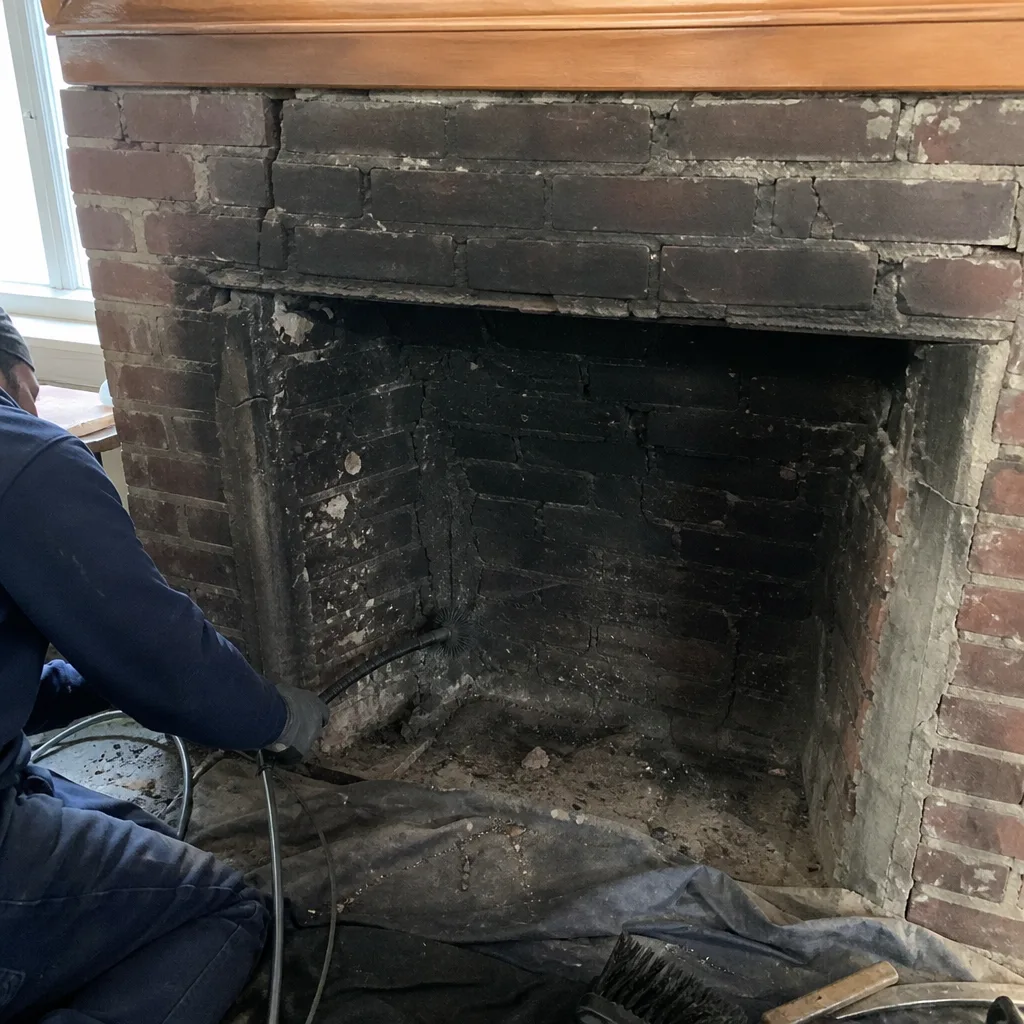 Before
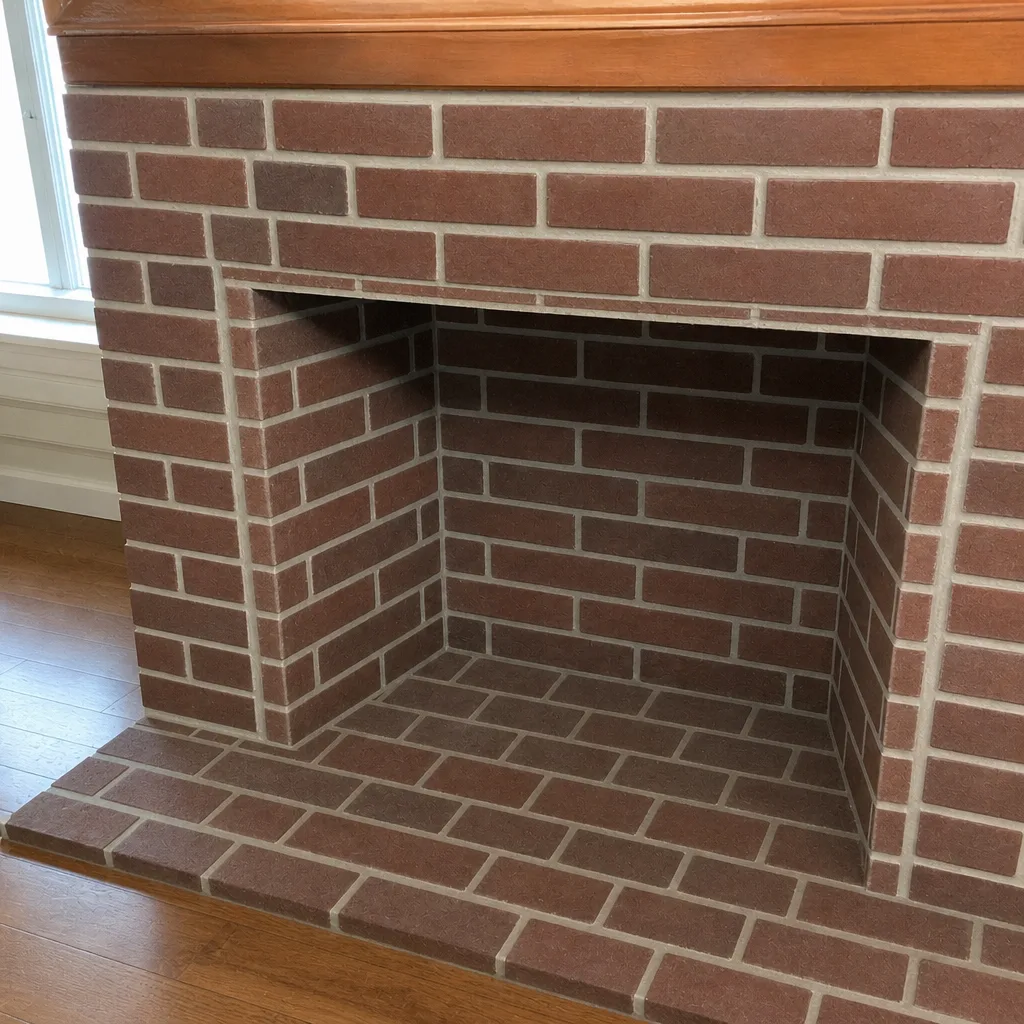 After
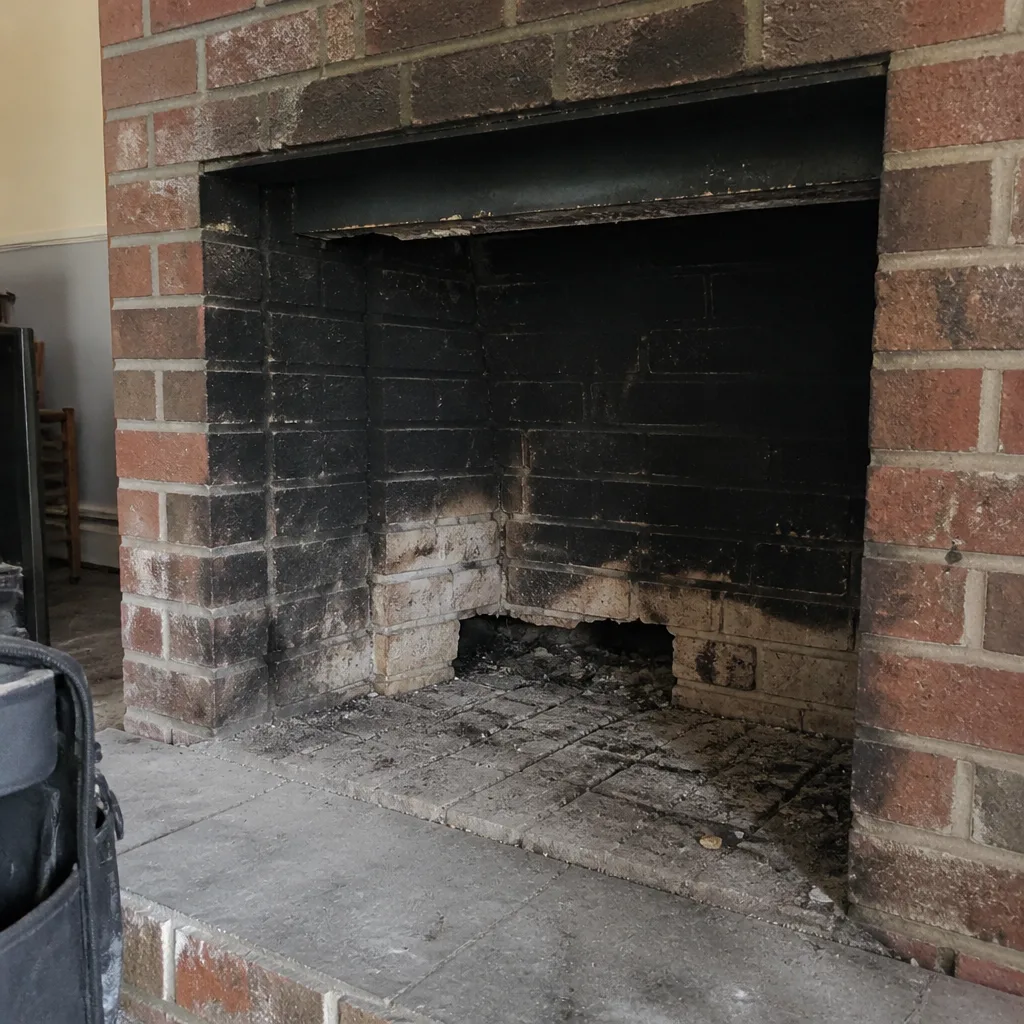 Before
 After
 Before
 After