
Last updated November 25, 2026
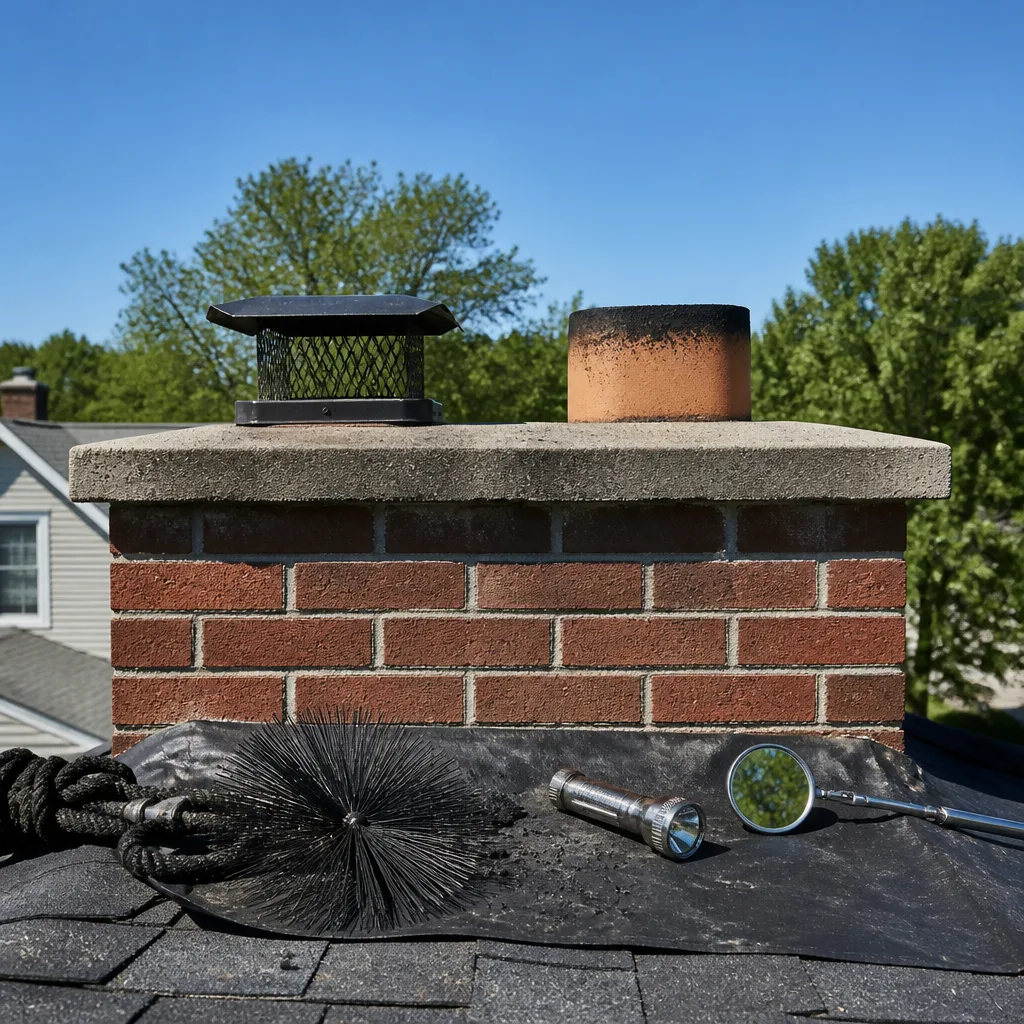 Sweep & inspection
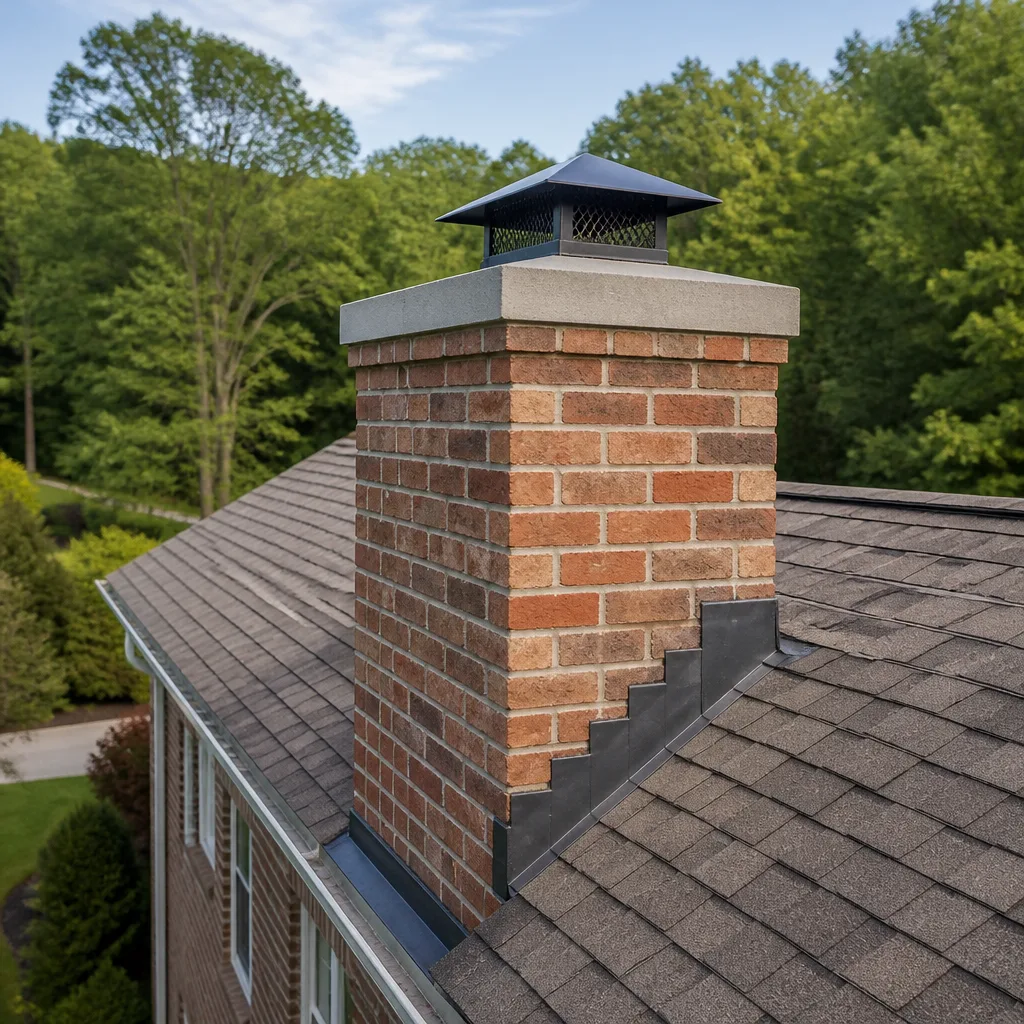 Caps & crowns
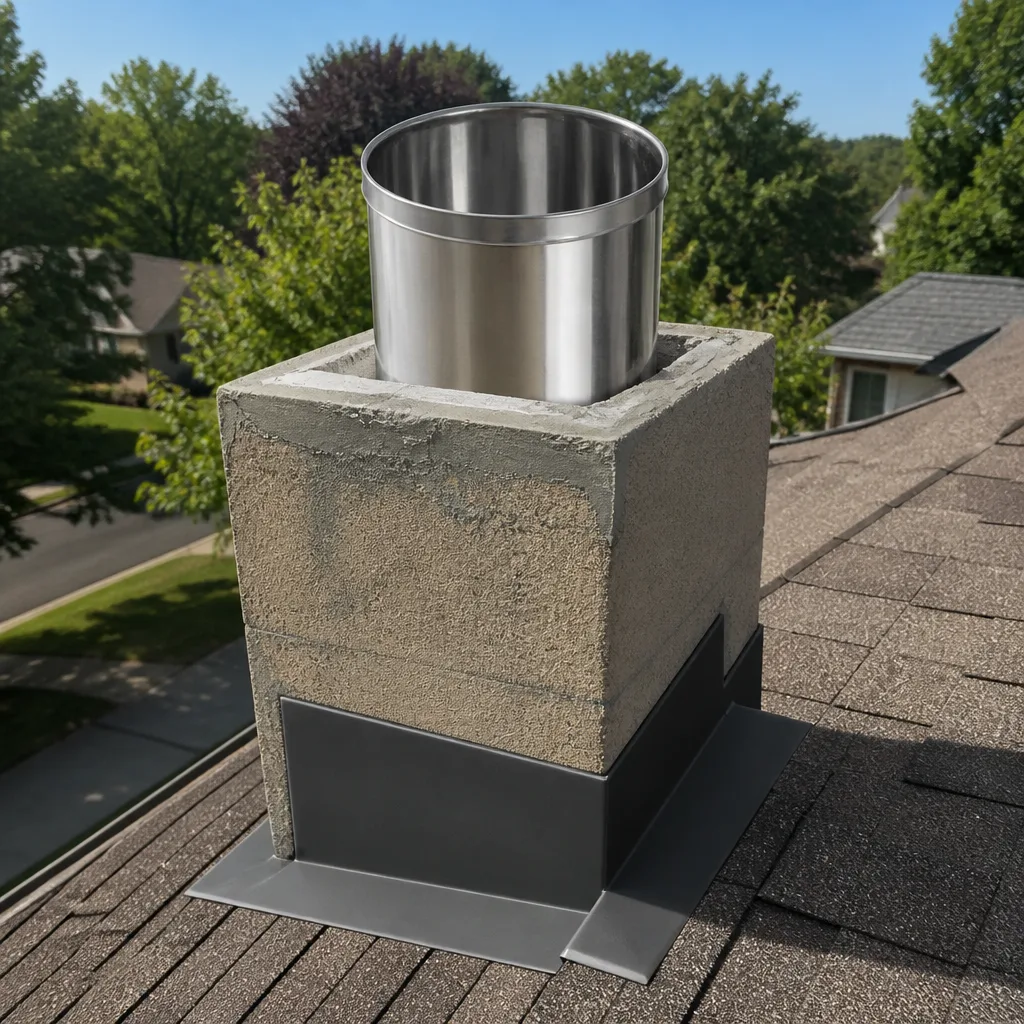 Flue relining
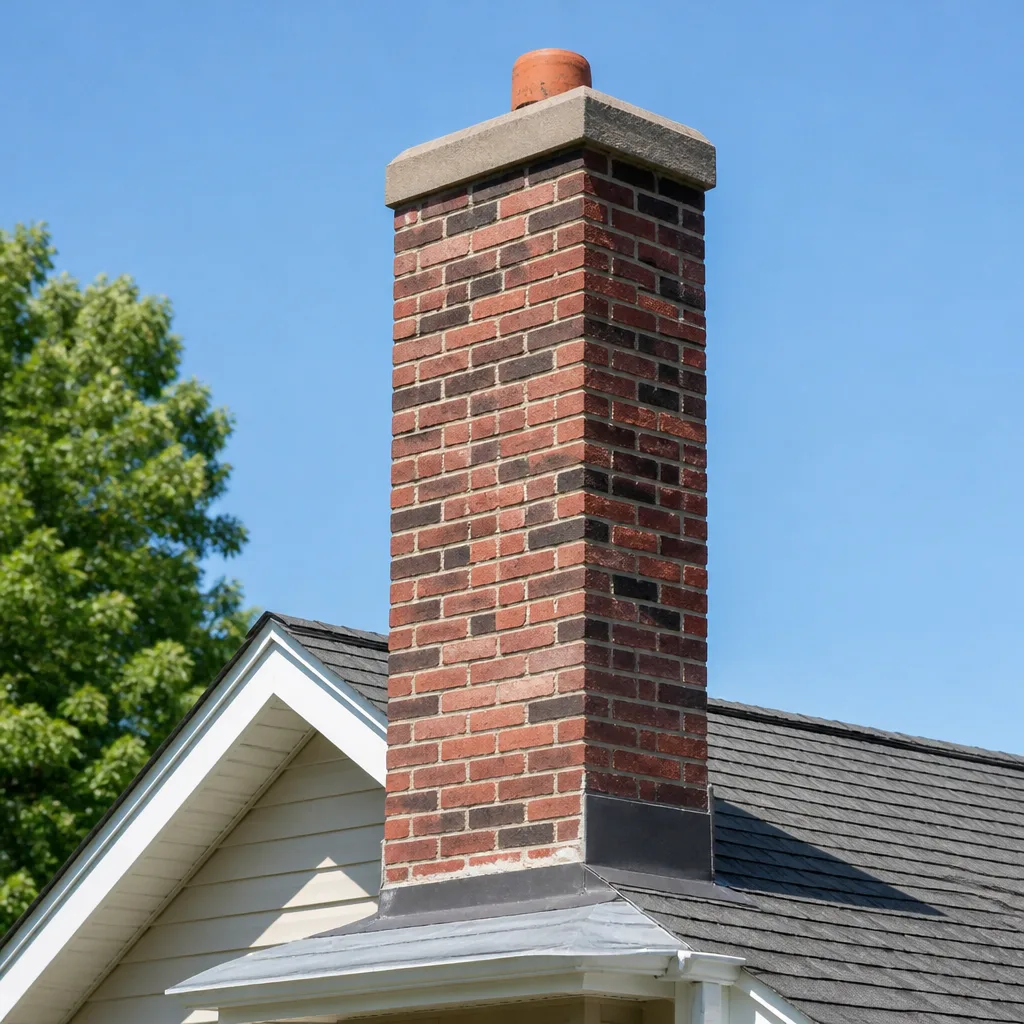 Masonry repair
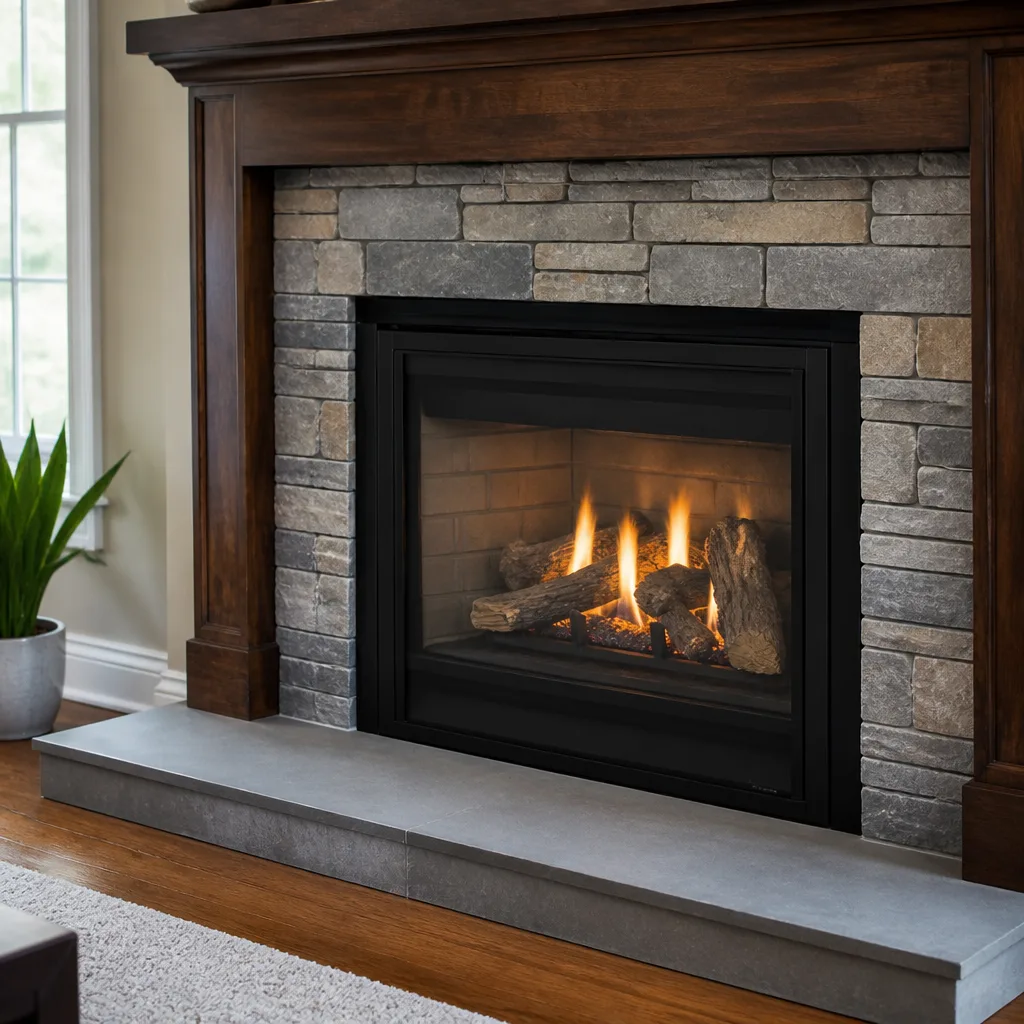 Gas fireplace service
Level 1 sweep and inspection to the NFPA 211 annual standard - flue, crown, cap, and flashing checked and photographed
Chimney sweep logs do not sweep chimneys. They loosen some creosote - which then falls where a brush and vacuum still have to collect it.
The Complete Guide to Chimney Cleaning in Sunnyside
A chimney that looks clean from the firebox can still be coating your flue liner with Stage 2 glazed creosote, the shiny, tar-like deposit a standard brush won’t touch and a standard sweep often won’t mention. Most cleaning guides stop at the firebox and call it done, but a chimney is a system, and in Sunnyside that system is shaped by attached walls, shared rooflines support engineers and trades know well, and the way rowhouse construction changes how smoke actually drafts. This guide maps the whole system: what’s burning inside it, what a real cleaning covers, and what documentation you should walk away with.
Quick Answer
A proper chimney cleaning in Sunnyside means sweeping the flue and then some: it covers the firebox, smoke chamber, liner, cap, and crown as one connected system. For most regularly used wood-burning fireplaces, that cleaning happens annually, and for oil or gas appliances the schedule follows the fuel and the appliance. A legitimate cleaning ends with documented findings (a written or photographed report of creosote levels and any defects), not just a verbal “you’re all set.”
Styles & brands we work with
- Sweep & inspection
- Caps & crowns
- Flue relining
- Masonry repair
- Gas fireplace service
Table of Contents
- Why Sunnyside’s Housing Stock Changes the Cleaning
- Sweeping, Cleaning, and Inspection: Three Different Things
- What a Full-System Cleaning Actually Covers
- How Fuel Type Changes the Deposits and the Method
- Creosote Stages and Why a Brush Isn’t Always Enough
- The Paperwork a Real Cleaning Produces
- How Often Should You Schedule Cleaning?
- Step by Step: How a Cleaning Appointment Goes
Why Sunnyside’s Housing Stock Changes the Cleaning
Sunnyside is dense. Walk through the blocks off Queens Boulevard and you’re looking at attached and semi-attached buildings, rowhouses, and older multifamily structures where chimneys were built close to a neighbor’s, often sharing a party wall or sitting shoulder to shoulder along a common roofline. That construction has a real effect on how a chimney drafts and how fast creosote accumulates, and it changes what “complete” cleaning means compared to a detached house with a freestanding stack and unrestricted airflow.
A few things this dense housing pattern creates:
- Tighter draft conditions. When chimneys sit near neighboring structures and taller rooflines, the airflow around the cap can be disturbed. A chimney without adequate make-up air or with a shortened stack may draft weakly, and weak draft keeps smoke in the flue longer. Cool, slow-moving smoke deposits more creosote than a hot, fast draft does.
- Shared or near-shared chimney masses. An attached building can have its chimney built into a common mass with a neighbor’s. That affects how heat moves through the masonry and can affect how the flue performs.
- Access that isn’t uniform. A rowhouse chimney might be reachable by ladder from a flat roof, or only from a specific roofline, which shapes how a technician inspects the crown and cap.
- Older flue linings. Many Sunnyside chimneys were built with clay tile liners that have been in service for decades. Tile spalling and joint gaps are common enough that a cleaning without a look inside the liner is incomplete.
None of this means a Sunnyside chimney is inherently dangerous. It means the cleaning has to match the building. A sweep who cleans the same way on every job, without accounting for draft conditions and liner condition specific to attached housing, is leaving part of the system unchecked.
Sweeping, Cleaning, and Inspection: Three Different Things
Here’s the split most homeowners never hear made clearly, and it’s the reason people end up with false confidence: sweeping, cleaning, and inspection are three different jobs, and a single visit doesn’t automatically give you all three.
Sweeping is the physical removal of soot and creosote from the flue. That’s the brush work.
Cleaning is broader: it includes sweeping but also covers the firebox, smoke chamber, and other components where deposits collect. Some jobs require a chemical or rotary method beyond a brush and rod.
Inspection is the assessment: looking at the flue, liner, cap, crown, and connected appliance and documenting condition. It’s a different skill and a different deliverable.
When these get conflated, a homeowner hears “we swept it and it’s fine” and assumes they got a full assessment. They didn’t. A sweep can be flawless and still leave a cracked crown, a spalling liner, or Stage 2 creosote unaddressed, because sweeping isn’t inspection and inspection isn’t sweeping.
The three evaluation levels, in plain terms
- A basic visual check of readily accessible parts of the chimney and firebox, commonly done alongside a routine cleaning.
- A more thorough examination of accessible components, often using a camera to see inside the flue and liner, when a problem is suspected or a property is changing hands.
- A detailed assessment when a specific hazard or system change is involved, such as after a chimney fire or before relining, and this level is where serious findings get documented carefully.
For a Sunnyside homeowner, the practical takeaway is to ask two separate questions: “Are you cleaning the whole system?” and “Will you document the condition of the liner, crown, and cap?” If the answer to either is vague, that’s the gap to press on. Our chimney inspection service is built around that second question, because a cleaning that isn’t backed by inspection is only half the job.
What a Full-System Cleaning Actually Covers
A full-system cleaning treats the chimney from the firebox throat up to the cap. Skipping any one of those pieces is how “cleaned” chimneys end up with problems left behind. Here’s what should be on the list, and what each part does:
- The firebox. The combustion chamber itself, where ash, soot, and leftover debris collect around the throat and damper assembly.
- The damper. It needs to open, close, and seat properly. A damper that doesn’t seal affects both draft and heat loss when the fireplace isn’t in use.
- The smoke chamber. The tapering space above the damper and below the flue. It’s a notorious collection point for soot because it’s wider than the flue and out of easy reach of a brush. Corbeled or rough masonry inside the smoke chamber can hold deposits that a flue brush never touches.
- The flue and liner. The vertical passage itself and its protective lining. This is where creosote builds and where the camera inspection matters most.
- The chimney cap. The cover at the top. It keeps out rain, animals, and debris, and if it’s missing or damaged, everything below it pays the price. Our chimney cap & crown work addresses this directly.
- The crown. The sloped concrete or masonry surface at the top that sheds water away from the stack. Cracks in the crown let water into the masonry, which then freezes and expands through the region’s cold winters.
When a cleaning stops at the flue and ignores the smoke chamber, cap, and crown, the homeowner paid for a partial service and got the impression of a complete one. We handle the full chimney system, from firebox to cap, so the report reflects the whole system rather than one slice of it. If the full-system check turns up damage, the same company can move into chimney repair rather than referring you out to a second contractor and a second appointment.
How Fuel Type Changes the Deposits and the Method
What burns in a chimney determines what gets left behind, and the deposits determine which cleaning method is right. This is one of the most useful things a homeowner can understand, because it tells you why a cleaning that works for one home’s fireplace isn’t automatically the right method for yours.
Wood-burning fireplaces and inserts
Wood produces creosote, the mix of tar and soot that coats flue surfaces. Wood also produces ash and soot that collect in the firebox and smoke chamber. This is the classic case that needs brushing, and sometimes rotary or chemical treatment when creosote has advanced past the early stage.
Gas appliances
Gas burns cleaner in terms of creosote, so you won’t see the same tar buildup. But gas appliances still produce moisture and can leave soot and corrosion, and the venting has its own requirements. A gas fireplace or gas-fired appliance is inspected for venting and combustion issues, not just swept for creosote, because the risk profile is different.
Oil-fired equipment
Oil produces soot and sulfur-bearing deposits. These tend to be drier and looser than wood creosote but can still clog a flue, and the service schedule is set by the appliance and its fuel rather than by the wood-burning default. If you have an oil appliance venting through a chimney, the cleaning should reflect that.
The practical rule: don’t assume a sweep knows which fuel you burn. Tell them. Gas, wood, and oil behaviors differ enough that the cleaner should adjust method and inspection accordingly, and a company that treats them all the same is not inspecting to the fuel. If you aren’t sure what has been venting through your chimney historically, mention that too; a diagnosis can start from what’s found inside. When in doubt, the right starting point is a proper chimney sweep and inspection, and our chimney sweep service is scheduled so both happen in one visit.
Creosote Stages and Why a Brush Isn’t Always Enough
Creosote doesn’t arrive all at once. It builds in stages, and each stage needs a different approach:
- Stage 1: soot and light flaky deposits. The kind a standard brush removes cleanly during routine sweeping.
- Stage 2: glazed, crusty deposits. This is the shiny, hard layer that clings to the liner and resists a plain brush. It needs rotary or chemical treatment to break it down. It’s also the stage most often missed or glossed over, because it doesn’t look dramatic from the outside.
- Stage 3: heavy glazing or tar-like buildup. Substantial accumulation that narrows the flue and indicates the fire has been running too cool or the fuel has been wet for too long. This is where a cleaning has to be evaluated carefully, and where a flue that has been badly compromised may need more than a clean.
Because Stage 2 and Stage 3 don’t show from the firebox, the only honest way to know what’s in your flue is to look inside it with a camera. Our technicians have up to 13 years of experience and can tell the difference on sight, but the value is in showing the homeowner. When the flue interior is deteriorating but the chimney doesn’t need a full rebuild, HeatShield liner restoration can resurface the flue and address the deterioration without tearing down the stack. It’s worth asking about before assuming a rebuild is your only option.
The reason this all matters is straightforward. A flue that’s narrowed by heavy deposits doesn’t vent cleanly, and the buildup sits waiting for the conditions that let it ignite. We don’t sell fear; we ask the homeowner to look at the camera image and decide based on what’s actually there.
The Paperwork a Real Cleaning Produces
A verbal “all clear” is not documentation, and this is one of the clearest ways to tell a professional cleaning from a quick sweep. When the job is done properly, you should be able to hold something in your hand, or open a file, that describes what was found and what was done.
A legitimate cleaning should produce:
- A written or photographed record of creosote levels. How much was found and where, with photos of the flue interior where a camera was used.
- Notes on the condition of the liner, crown, cap, and smoke chamber, along with anything that was flagged and why.
- A record of the method used, including any rotary or chemical treatment, so the next appointment knows what was already done.
- Clear recommendations, separated into what should be addressed now and what can safely wait.
That last point is the one homeowners tell us they value most. A report that lists every possible repair as urgent gives you no way to judge priorities. A report that says plainly when work can wait gives you something to act on. If a repair is recommended, it should come with the evidence that prompted it: the photo, the camera image, the condition observed. If you can’t see the reason, don’t accept the recommendation on faith.
The other reason documentation matters in Sunnyside is continuity. If you sell the property or your insurance asks for records, a stack of dated reports tells the full history of the chimney. A phone call and a handshake leaves you with nothing. For the reasoning behind inspections, the Chimney Sweep Sunnyside overview covers how inspections fit into ongoing care.
How Often Should You Schedule Cleaning?
Before telling you exactly how often, we need one caveat that applies everywhere including Sunnyside: the honest schedule depends on what you burn, how much you burn it, and what the inspection finds. What we can give you is a reliable starting point.
- Wood-burning fireplaces used regularly: clean annually, with an inspection at the same time.
- Wood-burning fireplaces used heavily through the winter: more often than once a year, based on what the inspection shows.
- Gas and oil appliances: the schedule follows the appliance and the fuel, so ask what’s appropriate for your system.
- New home or new-to-you home: a clean plus inspection before the first fire, so you start with a known baseline.
- A chimney that sat unused through a season: inspect and clean before lighting, because animals, debris, and water can find their way in while the chimney’s idle.
Our technicians have up to 13 years of experience, and the pattern across those years is consistent: the chimneys in the worst shape are the ones nobody has looked at in a long time. A sweep booked before burning season is easy to fit in. The same sweep becomes a problem when it turns into an emergency mid-winter.
If you’ve never had the chimney inspected and you don’t know its history, that’s the strongest reason to book. A cleaning doesn’t tell you the whole story by itself; it’s the inspection that does. Call (833) 472-1614 to schedule a cleaning and inspection, and ask what’s right for your fuel type.
Step by Step: How a Cleaning Appointment Goes
- We ask questions first. What you burn, how often, what your fireplace has been doing (drafting, smoking, making odd smells). This sets the method.
- We protect the work area. Drop cloths and containment keep soot off your floors and furniture during the sweep.
- We inspect before we clean. We look at the firebox, damper, smoke chamber, flue, cap, and crown, and use a camera where the flue needs a closer look. Findings get recorded before they’re disturbed.
- We sweep the flue with the right method for the deposits found. A standard brush for Stage 1, rotary or chemical where glazed deposits need it.
- We clean the components the flue brush can’t reach. That means the firebox, the smoke chamber, and the collection areas around the throat and damper.
- We show you what we found. Photos or camera images of the flue interior, and a plain explanation of any issue, its urgency, and whether it needs action now or can wait.
- We give you the report and the next steps. Recommended repairs get a quote and the evidence behind them, so you can decide with the facts in front of you.
The whole point of this sequence is that the inspection comes before the cleaning, not after. When a cleaning happens first, the inspection is done on a flue that’s already been swept, and the findings get muddied. Sunnyside chimneys deserve the proper order. We inspect it. We repair it. Same team, same standard.
Common Mistakes to Avoid
- Treating a sweep as a full inspection. A cleaned flue can still have a cracked crown or a failing liner. Ask for both, and ask for the documentation.
- Assuming wood, gas, and oil venting all get the same cleaning. They don’t, and the deposits differ enough that the wrong method leaves residue behind. Tell the company what you burn.
- Accepting a verbal “all clear.” Without photos and a written report, you have no way to verify what was found or what was done. The paper trail is the whole point.
- Skipping the cap and crown. In a dense neighborhood, an open flue is an invitation for animals and debris, and a cracked crown lets water into masonry that then freezes in winter. Both need checking every visit.
- Assuming a rebuild before asking about alternatives. A deteriorating flue interior can sometimes be resurfaced rather than rebuilt. Ask about HeatShield liner restoration before accepting a rebuild quote.
- Waiting for the mid-winter emergency. A cleaning booked early is a routine appointment; the same event in the middle of a cold snap is urgent. Get it done before burning season.
- Hiring a company that can’t finish what it starts. A sweep-only crew that has to refer out every repair creates a handoff and a second appointment. Pick a company that can handle the sweep and the repair.
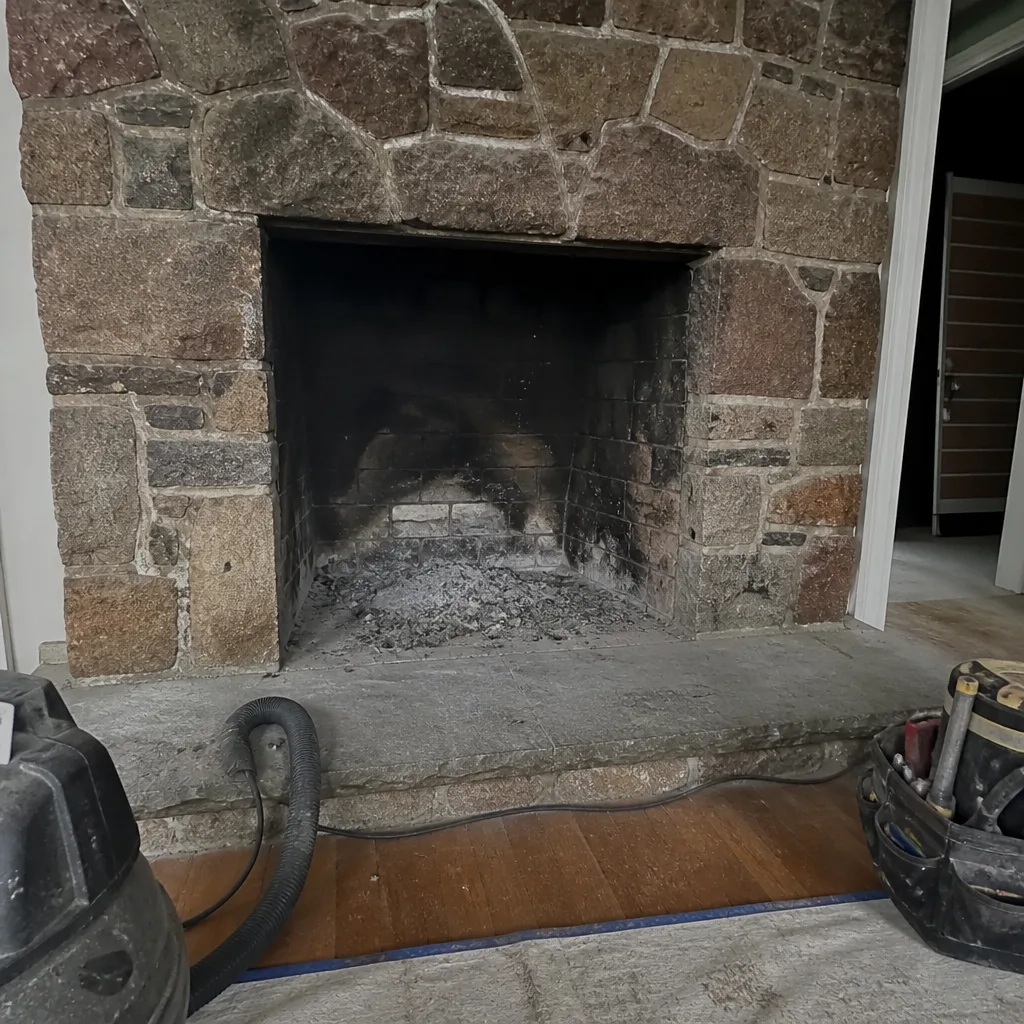
See the difference
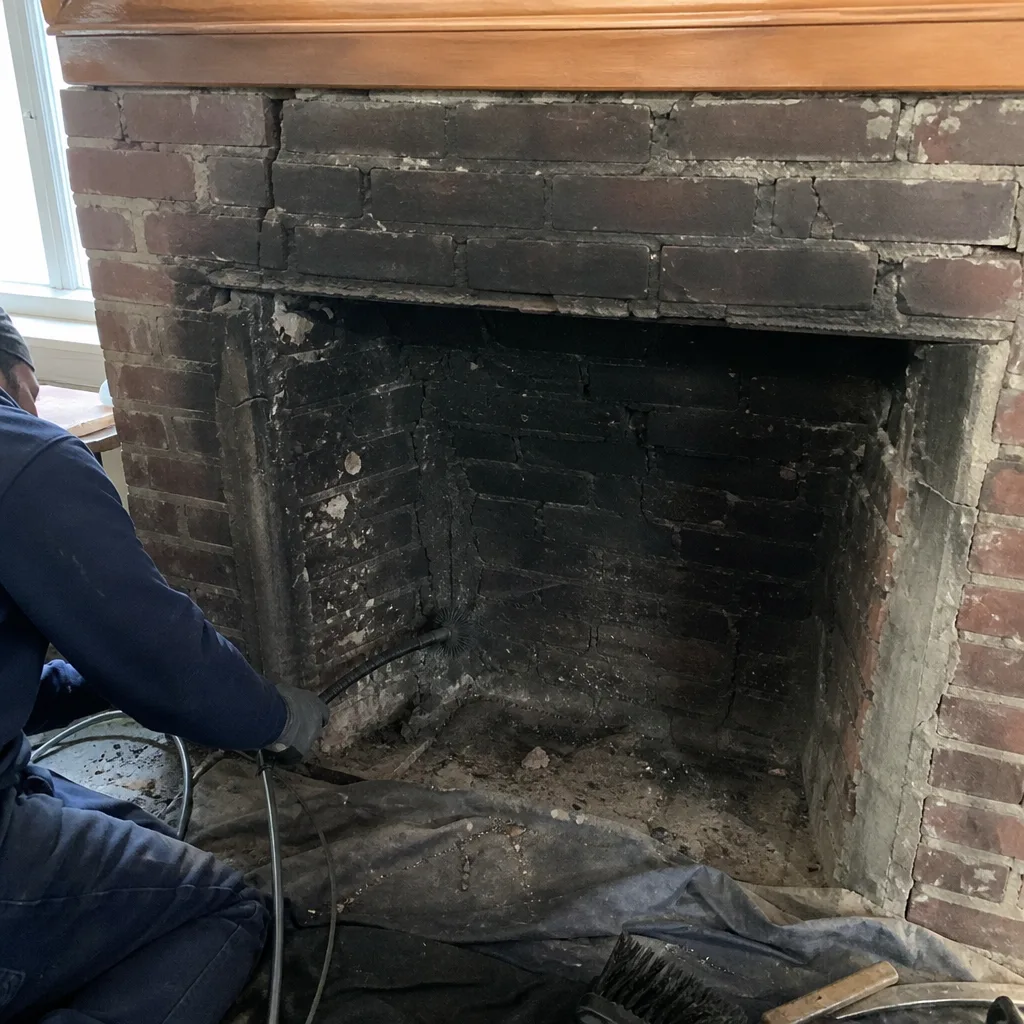 Before
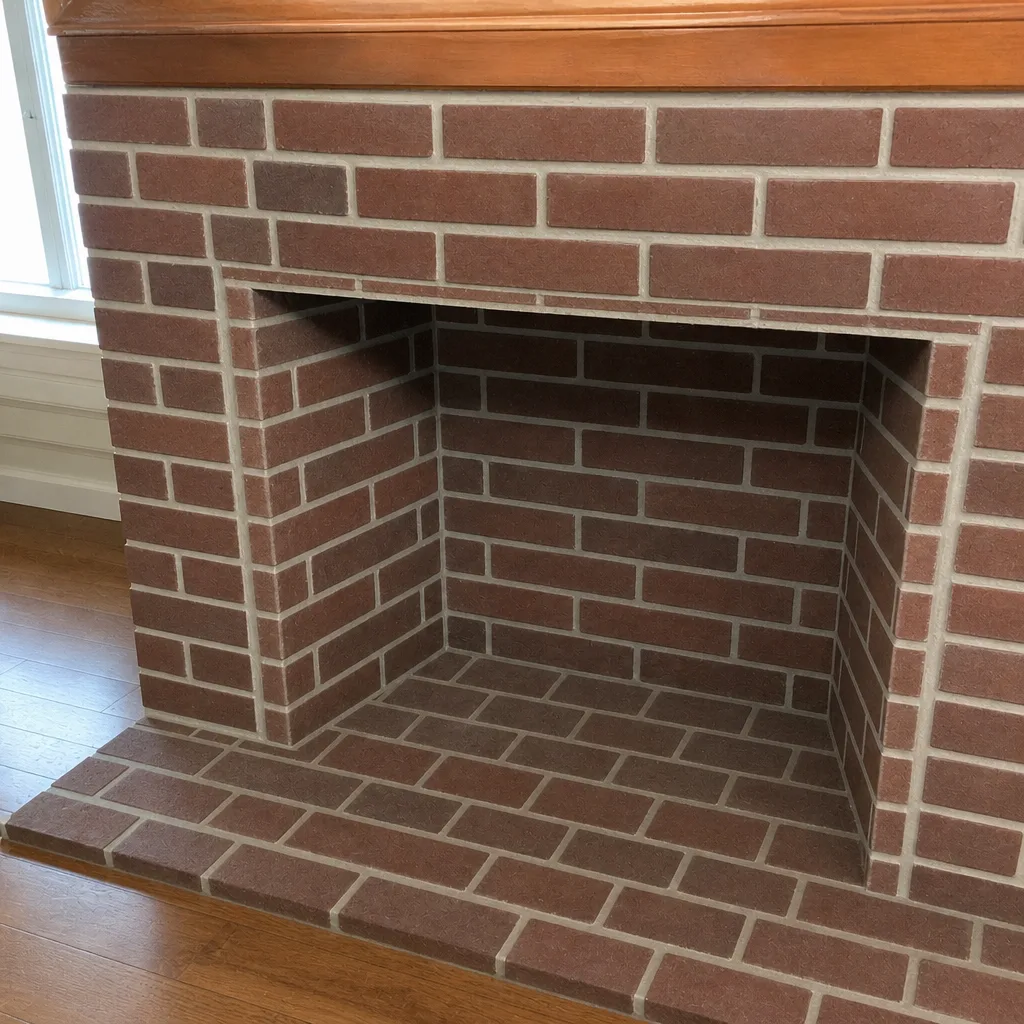 After
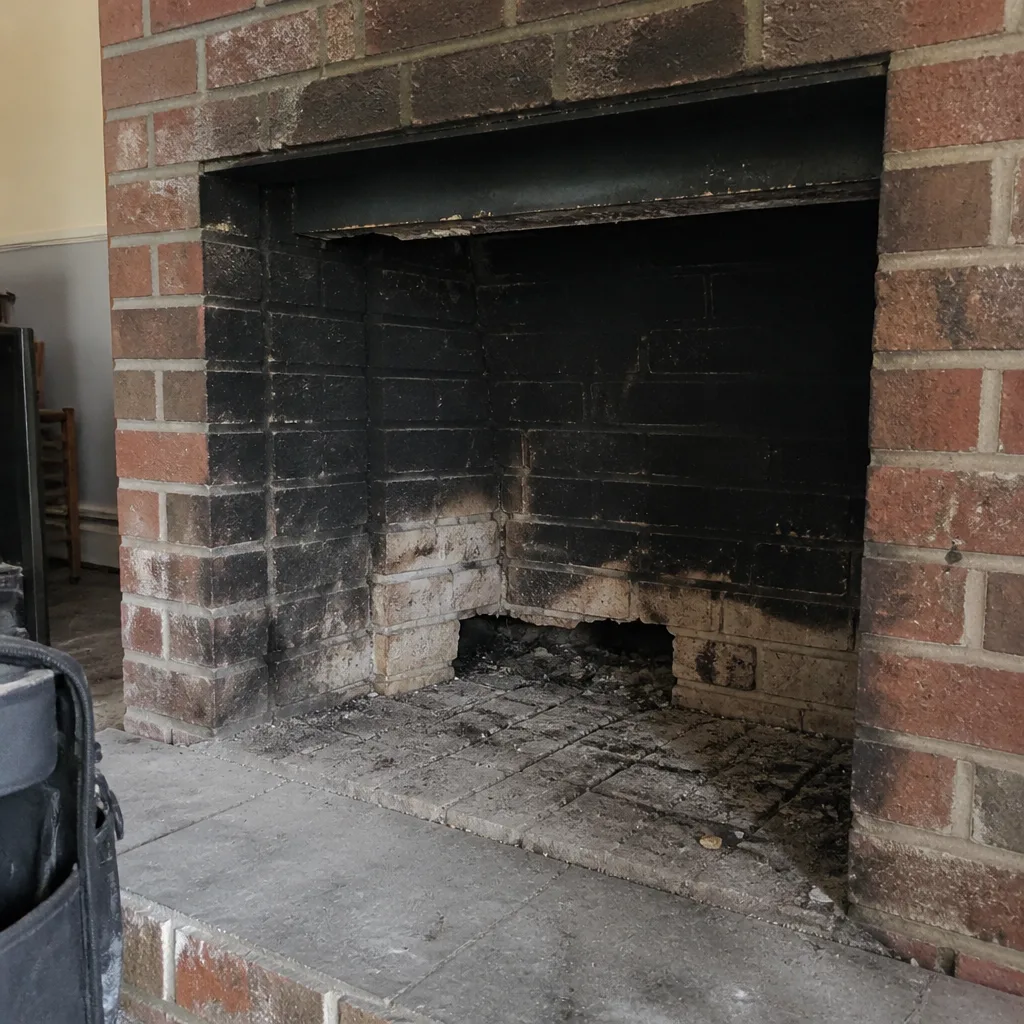 Before
 After
 Before
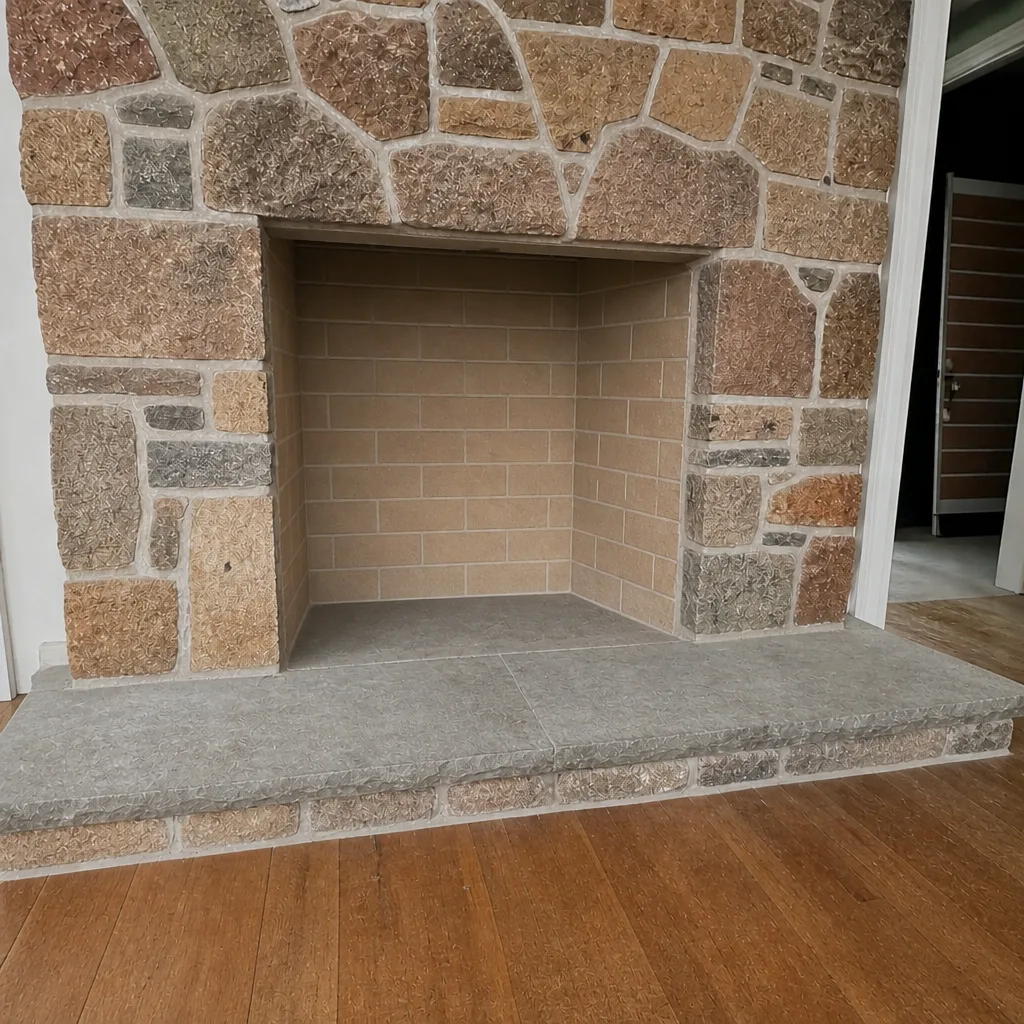 After
When to Call a Professional
Call a professional when the chimney is due for a cleaning, and especially when you don’t know its history. Call sooner if you notice a strong odor that doesn’t clear when the fireplace is off, if smoke backs into the room, if the damper won’t open or seat, if there’s visible damage to the cap or crown, or if a chimney fire has happened and the chimney hasn’t been inspected since. Those conditions put a cleaning in the “needed now” category. For the rest, book before burning season so the cleaning and inspection fit easily into the schedule. Chimney Sweep Sunnyside offers free estimates in Sunnyside. Call (833) 472-1614, and we’ll set up the cleaning and inspection together.
Frequently Asked Questions
A chimney cleaning in Sunnyside is priced per job by a written estimate, not a flat posted rate, because the scope depends on what the inspection finds, your fuel type, and the condition of the flue. The estimate is free and the price is set before the work begins, so there’s no surprise on the invoice. Call (833) 472-1614 for an exact quote – estimates are free.
Yes, because a cleaning removes deposits but doesn’t assess the structure. A sweep can be perfect while a cracked crown, a spalling liner, or Stage 2 glazed creosote goes unnoticed because no one looked inside. The inspection is what turns a cleaning into a report you can act on. Call (833) 472-1614 to book both together – estimates are free.
Wood-burning fireplaces used regularly should be swept annually, with an inspection at the same visit, and more often if you burn heavily. Gas and oil appliances follow a schedule set by the fuel and the appliance, so ask what’s appropriate for your system. The right answer comes from the inspection, not a calendar rule of thumb. Call (833) 472-1614 to schedule – estimates are free.
Deposits keep building, and the deposits are what make a flue work against itself. Heavy creosote narrows the flue and restricts venting, and glazed deposits sit in the flue as fuel waiting for the right conditions. The other thing that happens is invisible: problems that would have been caught in an inspection get a season or two longer to worsen. Call (833) 472-1614 for a cleaning and inspection before burning season – estimates are free.
Attached and semi-attached housing changes draft conditions and access. Tightly spaced buildings and taller neighboring rooflines can disturb airflow around the cap, and lower draft means cooler smoke and faster creosote buildup. Older clay tile liners in attached buildings also need a close look for spalling and joint gaps. A cleaning built for these conditions isn’t the same as one built for a freestanding stack.
Call (833) 472-1614 to book. We answer 24/7, with fast dispatch from 7am to 7pm, Sunday through Friday. A call outside dispatch hours is booked into the next opening. The estimate is free, and the written estimate sets the final price.
The Bottom Line
A chimney cleaning in Sunnyside should cover the whole system, not just the visible flue: firebox, smoke chamber, liner, cap, and crown, with an inspection that comes before the cleaning and a documented report after it. Fuel type changes the deposits and the method, Stage 2 and Stage 3 creosote can hide where a brush never reaches, and a verbal “all clear” is not a report. The work should be scheduled before burning season, and a company that can sweep, inspect, and repair without a handoff gives you one accountable point of contact. That’s how a clean flue becomes a safe chimney system.
Call (833) 472-1614 for a free estimate. We answer 24/7. Fast dispatch from 7am to 7pm, Sunday through Friday.
Written by the team at Chimney Sweep Sunnyside.